“I have nothing to tell you,” was the response I heard on several occasions during the first phase of reporting, in which I was searching for those women who were protagonists of the spontaneous settlements, who had fought to obtain a plot of land, to build a shack, a house, a neighborhood. “I didn’t do anything,” was the phrase that followed, accompanied by an almost imperceptible smile they kept to themselves, as if it were a symptom of disbelief. Some remained silent, calling on time, trying to locate in their memories the experiences they lived after that Thursday, March 31, 1983. The response did not change.
Many of the women did not recognize or were not aware of the value of their efforts. It was common to hear them minimize all the actions they undertook in their daily lives, yet these represented historical events in the transformation of the settlements: “I only took care of the others’ children, there were about fifteen, while they worked all day,” explained one woman as we spoke in her living room.
Some ended up hiding behind the figure of their husbands, asserting that they were the ones who had truly worked, that they were the ones who knew the full story of everything that had happened, that they were the ones who should speak. “All I did was stay in the makeshift shelter or shack, like now, although back then we had to ‘stand guard’ so they wouldn’t evict us or steal the little we had,” they told me, perhaps unintentionally omitting part of the story, the part in which they organized themselves into groups each night to patrol the land they had occupied, to remain alert to the constant eviction attempts by public forces.
It was unusual for the women that, suddenly, someone would arrive at their homes and want to “turn them” into protagonists of a story they had forged and that has scarcely been told. Some, who initially responded to my call out of courtesy, later became excited, recounting the processes of resistance they led in each of their territories. At their doorsteps, they would cast that thread with which stories begin to be woven.
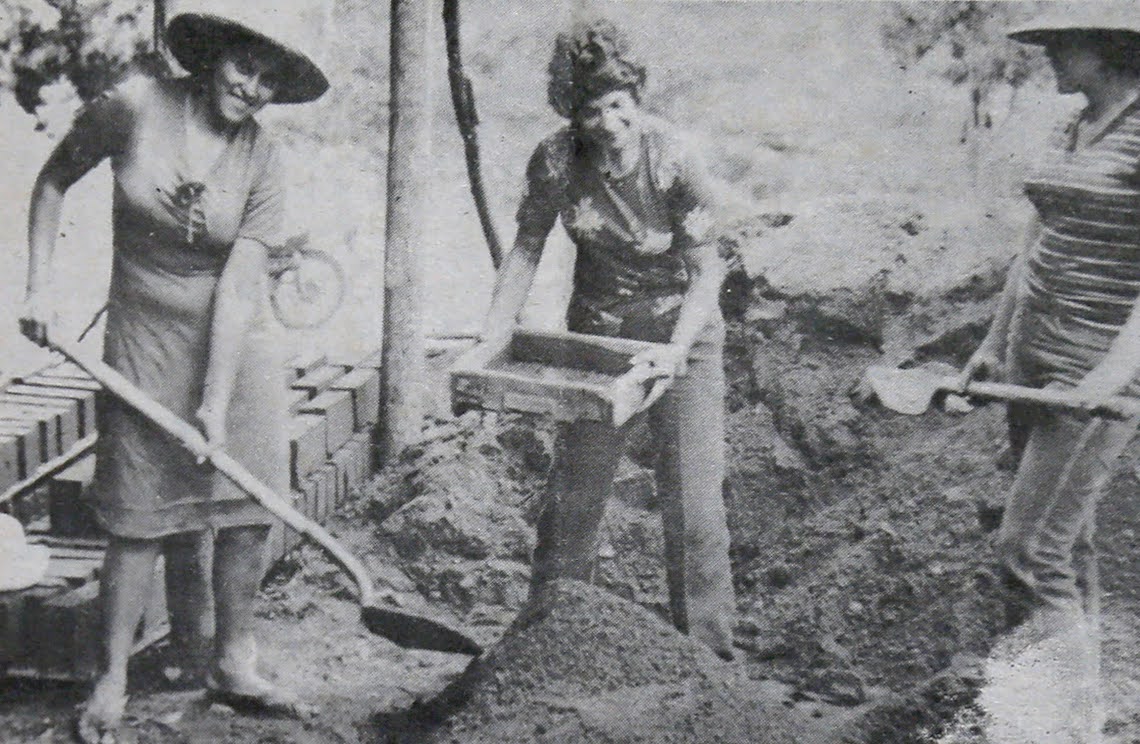
At times, memory seemed to break into fragments and was narrated in pieces, but they found help in some detail offered by an unnoticed relative who had sharpened their hearing to be carried away by the memories, or in the voices of veteran friends who crossed into their accounts. Then, they recalled through some action captured in a photograph, the wall raised by their hands on the eve of the approval for housing construction. They remembered, with admirable clarity, all the hardships of their stories. They evoked them once again and continued with their anecdotes, their struggles.
There were other moments when the women recognized more fully their efforts and the details of their contributions to the construction of their urban spaces. They would sit down, without hesitation, and answer each question. They dug into their memories for every detail: the earthquake, the pain, the uncertainty, the occupations, the threats, the murders of leaders, the tensions with public forces, the plots, the makeshift shelters, the arduous legalization process, everything. Although, at times, they would suddenly close their eyes and ask not to remember any more, as horror, fear, and despair returned. It was a request that surfaced in their emotions. Nostalgia appeared in a sigh, the birth of a tear, mouths wrinkled like clenched fists, or a long silence that they themselves would break to continue. They assured that the moments of crisis were so many and so harsh that they sometimes prefer to leave them untouched in some unreachable place in memory. “The city smelled of dust, of earth, but it also smelled of death,” a phrase escaping from the memories they wished to keep locked away, yet one that ultimately unleashed hours of conversation.
They welcomed me into their homes as if I were someone they had known all their lives. There they live with their children, nephews, grandchildren, and great-grandchildren. With proud eyes, they explored the space they had achieved thanks to the community process undertaken three decades earlier. They remember. They list the women with whom they worked after the earthquake, when they arrived at municipal lands or private properties seeking a place to build their homes. They point out where each founding woman lives or lived, what they did, and they lament the death of some or feel sadness because many have already left the neighborhood.
Little or nothing has been told about the history of these women. Like many others, they became part of the statistics of the displaced, of those who occupied land, of families to be relocated. There were no faces, no voices. The local press recorded, over the three years following the earthquake, approximately 12,000 news items or reports. Only one briefly and directly mentioned the reconstruction work carried out by women; in that case, from what was then the village of El Uvo, where they prepared mixtures for brick production. In four additional reports, there was follow-up on a housing project led by a group of single mothers.
After the tragedy, they all kept their memories as if they held no value. Now, they tell us their story.