Encuentra lo que necesitas en segundos. Explora, descubre y obtén respuestas rápidas. ¡Comienza tu búsqueda ahora!
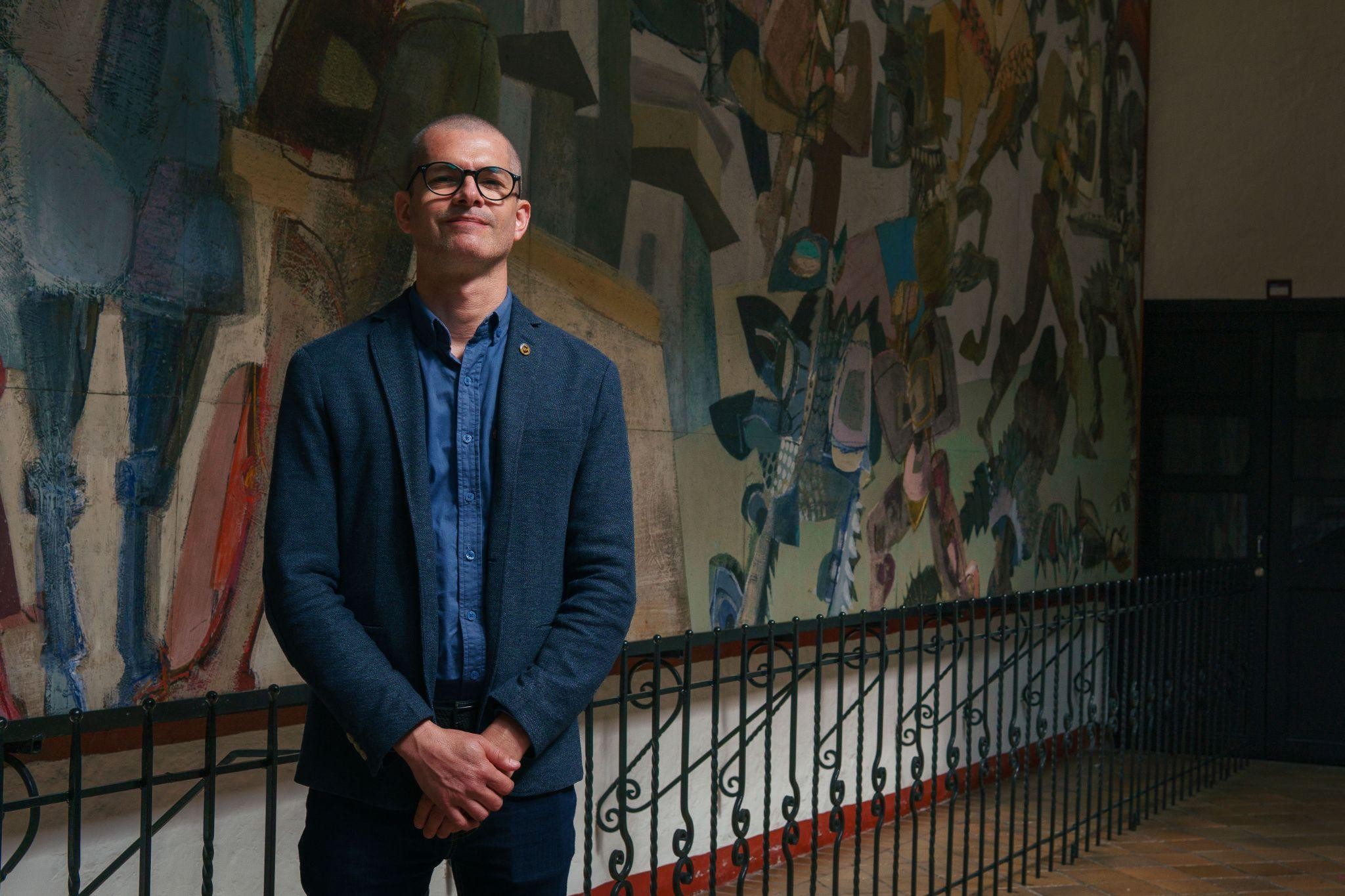
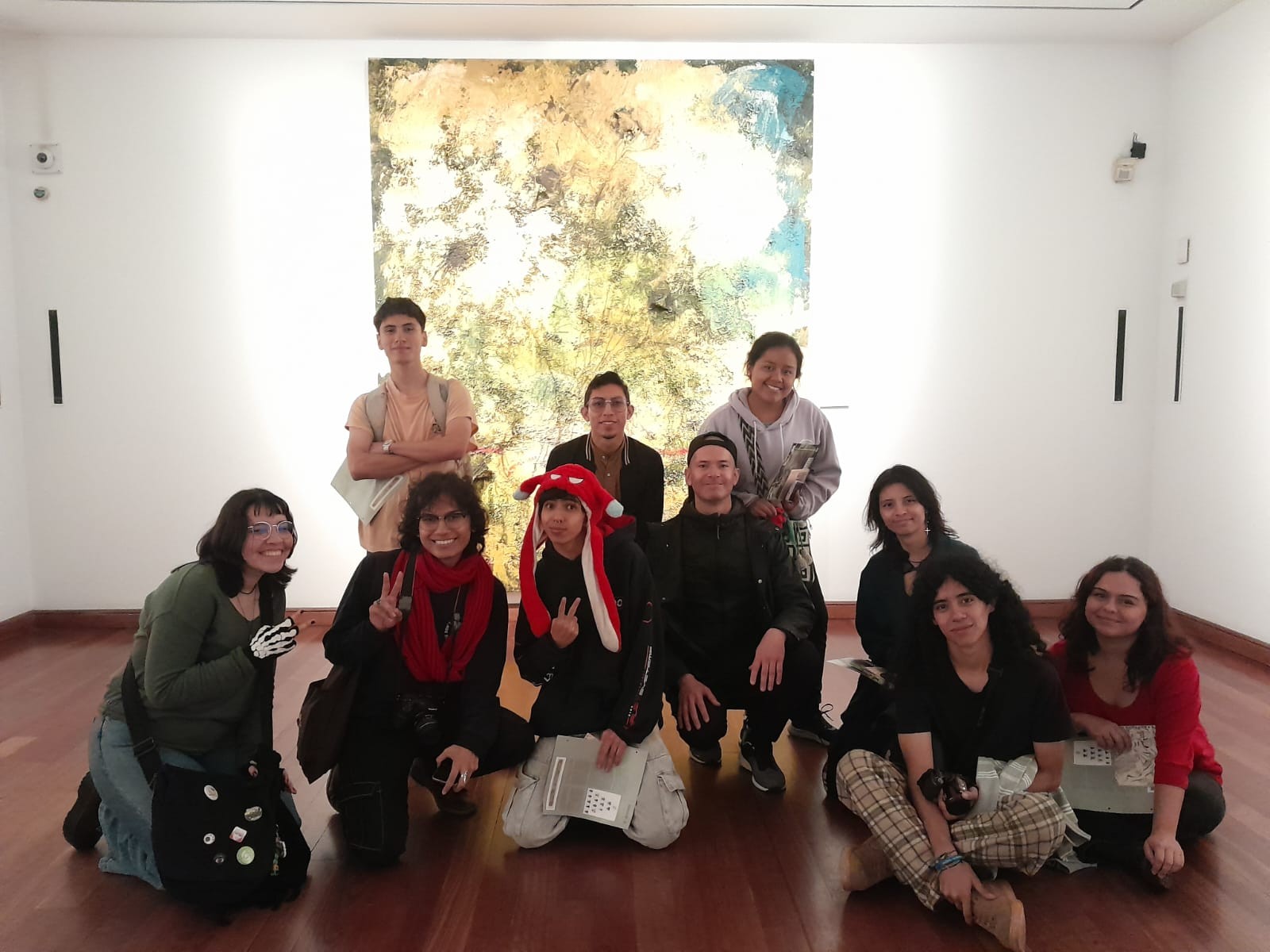
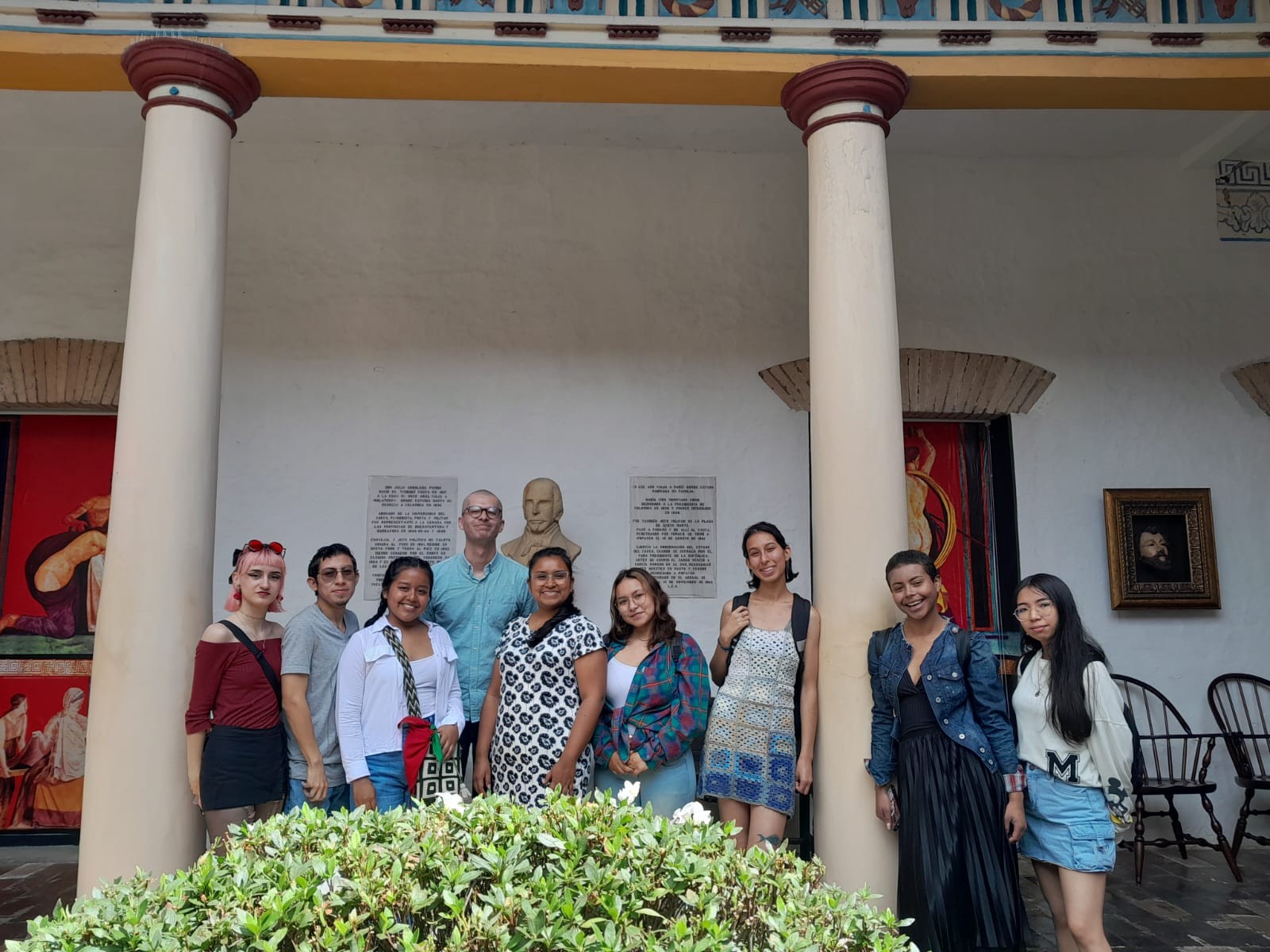
At the University of Cauca, there are classes that transcend the mere act of transmitting knowledge; they are seeds that grow along paths of healing. One such course is “Memory, Museums, Art, and Symbolic Reparation for Victims of the Armed Conflict”, led by Professor Óscar Esteban Hernández of the University of Cauca, a renowned art historian who has found in teaching a way to reconcile the past with the present. From the Department of Visual Arts, this teacher weaves memory, sensitivity, and transformation into every word, every image, and every pedagogical act: “I have dedicated myself to being a useful instrument for the reparation of victims of the armed conflict in Cauca. I believe that the Victims’ Law and all the painful events occurring in the country should be focused on healing. So, I had the honor of creating this course. We are already in the second cohort of this subject, and it has been a journey of self-healing and healing for the students as well. We have worked with victims, from whom we have learned more than we have worked, because they are great teachers. We have honored their pain, committed ourselves to paving the way for healing together, and it has been one of the most beautiful experiences I have had as a professor here at the University of Cauca.”
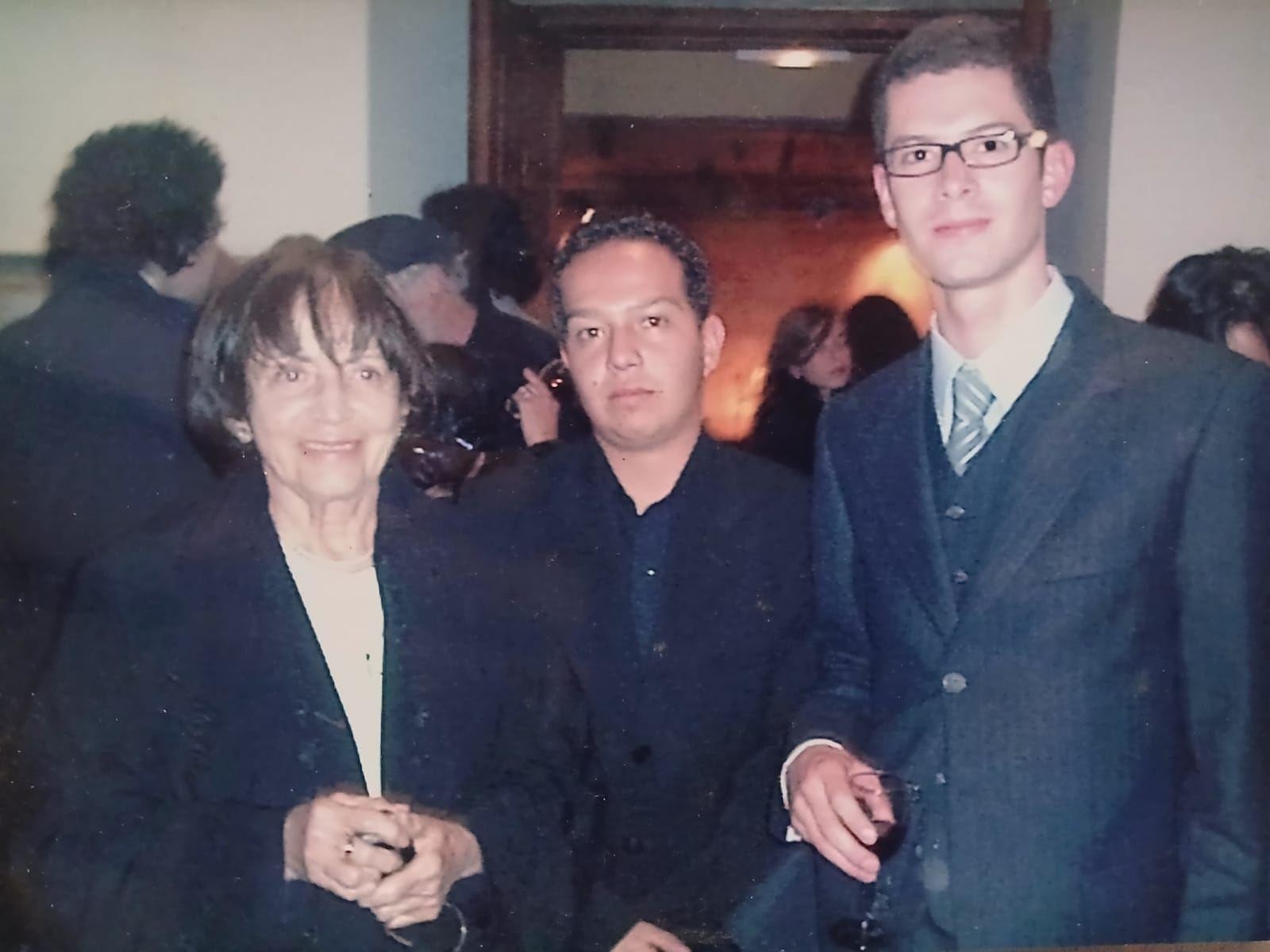
And his passion for knowledge was born, quite literally, at home, a home bearing the seal of the University of Cauca. The son of Irene Correa, a graduate in Literature and Spanish Language from this same institution, he grew up seeing the Alma Mater of Cauca as a great, diverse, and powerful home. Thus, as the years went by, what might have felt like a natural step took place: at this very University, he completed his studies in History, with a special focus on General History and the History of Art and Design. Later on, he pursued a Master’s degree in Government and Public Policy, a space from which he consolidated a deep conviction: policies must also heal, not merely serve as political instruments!
Before arriving in the classroom as a professor, Óscar had already built a solid path in cultural heritage management. In 2006, he received an award from the Ministry of Culture, a scholarship to work with the Colombian Film Heritage Foundation on the exhibition commemorating 110 years of cinema in Colombia. Since then, his signature has been imprinted on important curatorial processes, such as the museological scripts of the Guillermo León Valencia House Museum, the Guillermo Valencia National House Museum, and the Museum of Religious Art of Popayán.
In all these spaces, his perspective has sought to humanize history and bring it closer to people’s emotions. His love for art also led him to direct the Negret Museum for a decade, an experience he concluded with the publication of the chapter “A Modern Art Museum for a Colonial City”, included in the book Imaginaciones, edited by the University of Cauca.
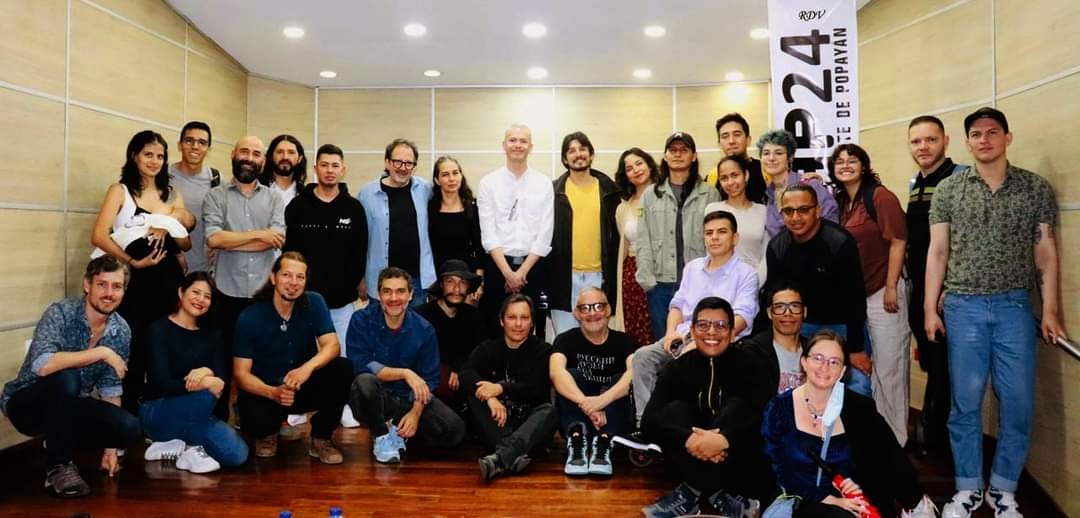
His journey through art history has not remained confined to aesthetic analysis; he has aimed to connect artistic expressions with the pains and resistances of the present. It was precisely during an experience at the Popayán Art Biennial that one of the most important moments of his teaching career occurred. He was invited to moderate a conversation with the renowned artist Óscar Muñoz and was so moved by the artist’s power that he simply could not speak: “I had to moderate in front of the Rafael Maya auditorium, which was full, but because Óscar Muñoz is such an overwhelming figure and so impactful through his visual creations, he speaks through the plastic, the visual, the words just wouldn’t come out. I was so moved that I couldn’t moderate at all; at times tears fell, and at other times I was stunned by what Óscar was communicating… I had to be very honest and told him: Óscar, I was invited here to moderate, but in reality I had nothing to say except to listen and be moved, just like everyone else present,” recalled Professor Óscar with deep emotion, who in that moment asked the artist Muñoz’
“What is his work like with regard to the victims of the conflict?” he was asked, to which he received an ambiguous yet sufficient answer to ignite a spark: “Perhaps artists today do not feel that need for commitment toward the victims of the armed conflict, because they do not want to get too deeply involved in political issues. But if there is a teacher and a course that show them that path, one that is difficult, yet passionate at the same time, perhaps there would be students who would want to work with the victims, for them and alongside them.” These words, without a doubt, became the driving force for this curious member of the University of Cauca community to create the course that today accompanies his students in a profound process of memory and creation.
“They are cathartic classes,” they say, because although there are tears, there is also construction. The classroom becomes a workshop of humanity, where victims are teachers and art becomes a tool to express the unspeakable. Now in its second cohort, the course brings together lived experiences, forms of knowledge, and commitments aimed at healing a wounded Cauca, and it projects the hope that, through education, pain can be transformed into many things.
For this reason, it comes as no surprise to hear Professor Óscar speak with gratitude about his life as an educator: “I always dreamed of becoming a teacher because of my mother. So, when I received the invitation, it was something deeply gratifying for me, because in the Faculty of Arts I felt a freedom that I had not felt in any other halls of the University, precisely because of diversity, because there, all students, regardless of their ideological, sexual, religious, or political orientation, whatever it may be, are equal.”
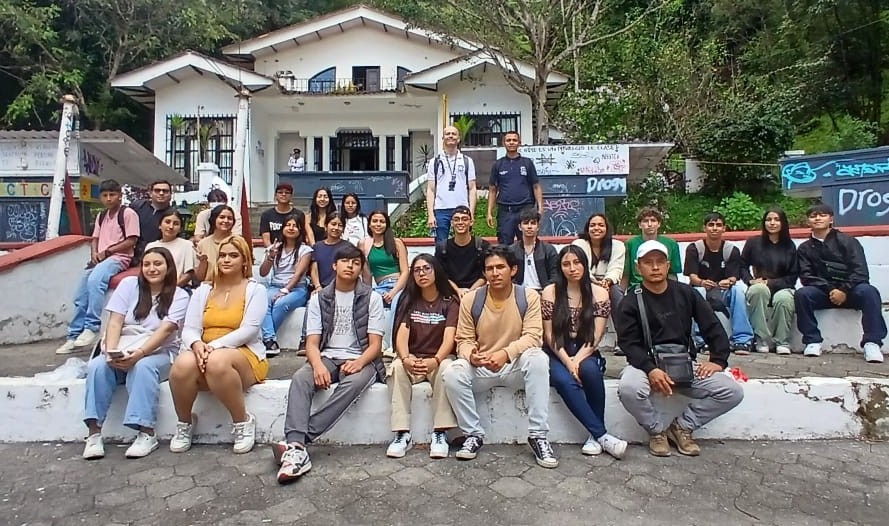
“Thus, there is a sense of brotherhood within this program, whether in Music, Graphic Design, or Visual Arts, which is the program I belong to. For me, it was also a life school to see how much diversity exists and how much respect and tolerance were present even within the classes. It was incredible to encounter, from the very first moment, students with approaches very different from the ones I might have brought, but who also help me shape my teaching path in a much more holistic way.”
Following this same path and as a concluding reflection, he adds, “Only words of gratitude to the University of Cauca for all that it has given me, and I hope to continue contributing to this Alma Mater and always to my students, recognizing in them how diverse they are and understanding that life is diversity, and that in diversity lies the beauty of culture, the power of knowledge, because it is diverse and critical knowledge that forms competent professionals. Therefore, from this diversity, I am learning to build knowledge that is useful for everyone.” With this certainty, Óscar Esteban Hernández continues weaving, teaching, and learning, with the conviction that knowledge, when rooted in empathy and diversity, can be a profound act of love and repair.
From this house of thought, we express our gratitude and recognition to Professor Óscar, whose trajectory, knowledge, and commitment have been fundamental in strengthening critical thinking, opening spaces for dialogue, and fostering respect for differences within our Alma Mater, those very differences that enrich us all. His reflection demonstrates that diversity enhances university life and reinforces the bonds that unite us as a community.
In line with the words of this professor, protagonist of our story, and in observance of #PrideMonth, the University of Cauca invites you to learn about and participate in the pedagogical campaign “La Magia de Poder Ser” (“The Magic of Being Able to Be”), an initiative that celebrates the value of diversity and seeks to continue building a more inclusive and safe university for every person who inhabits it. We recognize that challenges, exclusions, and forms of violence still persist, and addressing them requires action, together, collectively, and inclusively.
Address: Calle 5 # 4 - 70 | Popayan, Colombia
Opening hours:
Monday to Thursday from 8:00 a.m. to 5:00 p.m. - Friday from 8:00 a.m. to 4:00 p.m.
Telephone: +57 (602) 820 9900
Toll-free: 018000 949020
Court notifications
Institution with High Quality Accreditation for 8 years, resolution MEN 6218 of 2019 - Vigilada MinEducación
NIT. 891500319-2
Address: Calle 5 # 4 - 70 | Popayan, Colombia
Telephone: +57 (602) 820 9900
Toll-free: 018000 949020
Requests, Complaints, Claims, Suggestions and Congratulations
Email: ventasreclamos@unicauca.edu.co
Judicial notifications
Email:processes@unicauca.edu.co
Institution with High Quality Accreditation for 8 years, resolution MEN 6218 of 2019 - Vigilada MinEducación