The invisible battle: University of Cauca researcher helps explain how the immune...
The invisible battle: University of Cauca researcher helps explain how the immune system acts in severe infections
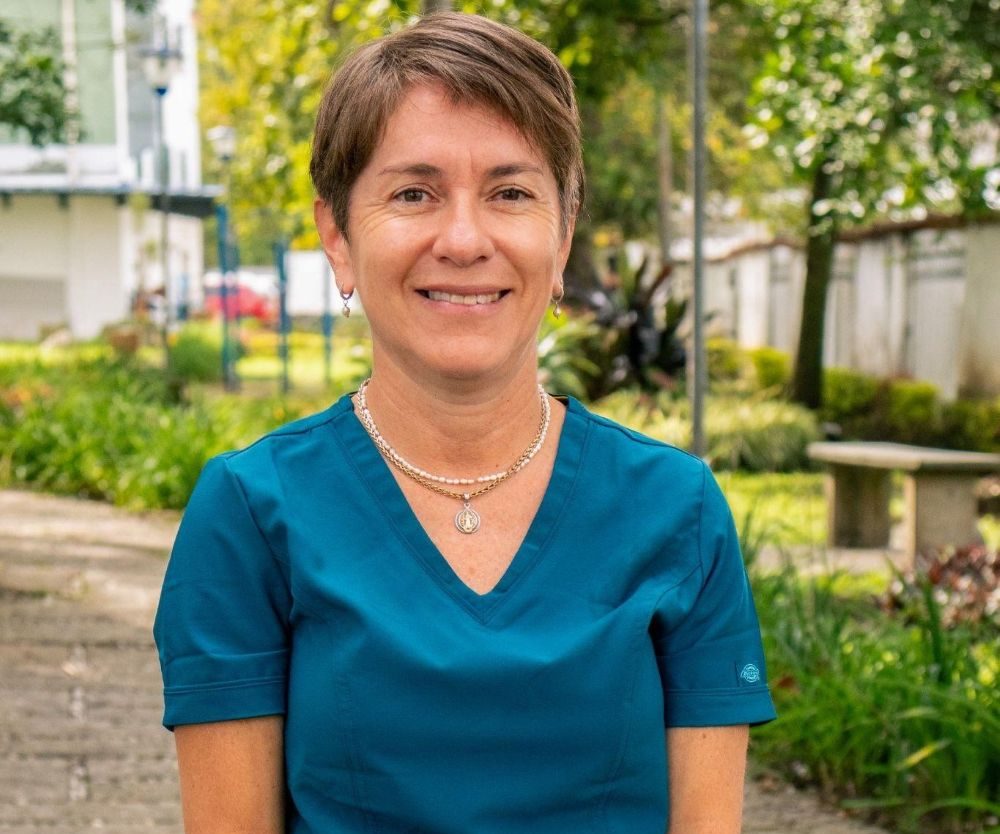
Professor María Virginia Pinzón Fernández, from the Health Research Group of The University of Cauca (GIS), is part of an international article that provides new insights into understanding sepsis, a disease that causes millions of deaths worldwide each year.
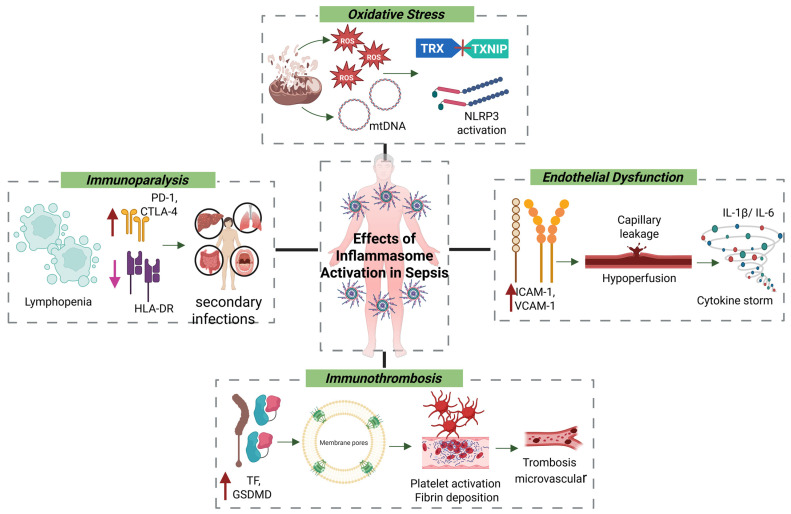
What happens when our immune system, our primary defender, turns against us during a severe infection? The often-fatal answer lies in the complexity of sepsis, a extreme response of the body, which, as previously noted, occurs in response to an infection, putting people’s lives at risk. To contribute to a better understanding of this condition, Professor María Virginia Pinzón Fernández, together with a team of national and international researchers, published an advanced scientific review article in the journal Cells. The paper, titled “Inflammasomes and Signaling Pathways: Key Mechanisms in the Pathophysiology of Sepsis” (Cells. 2025 Jun 19;14(12):930), examines how certain immune system mechanisms, known as inflammasomes, behave when the body mounts an exaggerated response to an infection.
Although the article does not present new experimental data, its value lies in providing a robust and up-to-date conceptual framework that can guide medical practice: it brings together and clearly explains the latest knowledge on the subject. Regarding this, Professor María Virginia notes, “Our goal is to build bridges between basic science and clinical practice, and to offer conceptual frameworks useful for improving the care of critically ill patients,” highlighting the positive impact this work can have on medical practice. The article, available on PubMed and through the Cells journal platform, is projected to become an essential reference for both researchers and clinicians alike (for more information, visit https://pubmed.ncbi.nlm.nih.gov/40558557/).
Provided Photo.
Provided Photo.
It is important to note that Professor María Virginia Pinzón Fernández is a bacteriologist from the Pontifical Xavierian University, a specialist in Multicultural Education from the University of Cauca, and has more than 35 years of experience in university teaching. For more than two decades, she has served as a Full Professor in the Medicine program at the University of Cauca, where she teaches microbiology, parasitology, and research fundamentals. In addition, she leads the Research Group in Health (GIS), focused on infectious and metabolic diseases, as well as key public health issues. She has also led the PREVENIR group and has taught at other institutions such as Unicomfacauca.
From the University of Cauca, we celebrate this contribution, which strengthens the commitment of our researchers to public health and to science in the service of life. This type of publication not only positions our institution at the national and international levels, but also demonstrates how knowledge can save lives when placed at the service of those who need it most.