Encuentra lo que necesitas en segundos. Explora, descubre y obtén respuestas rápidas. ¡Comienza tu búsqueda ahora!
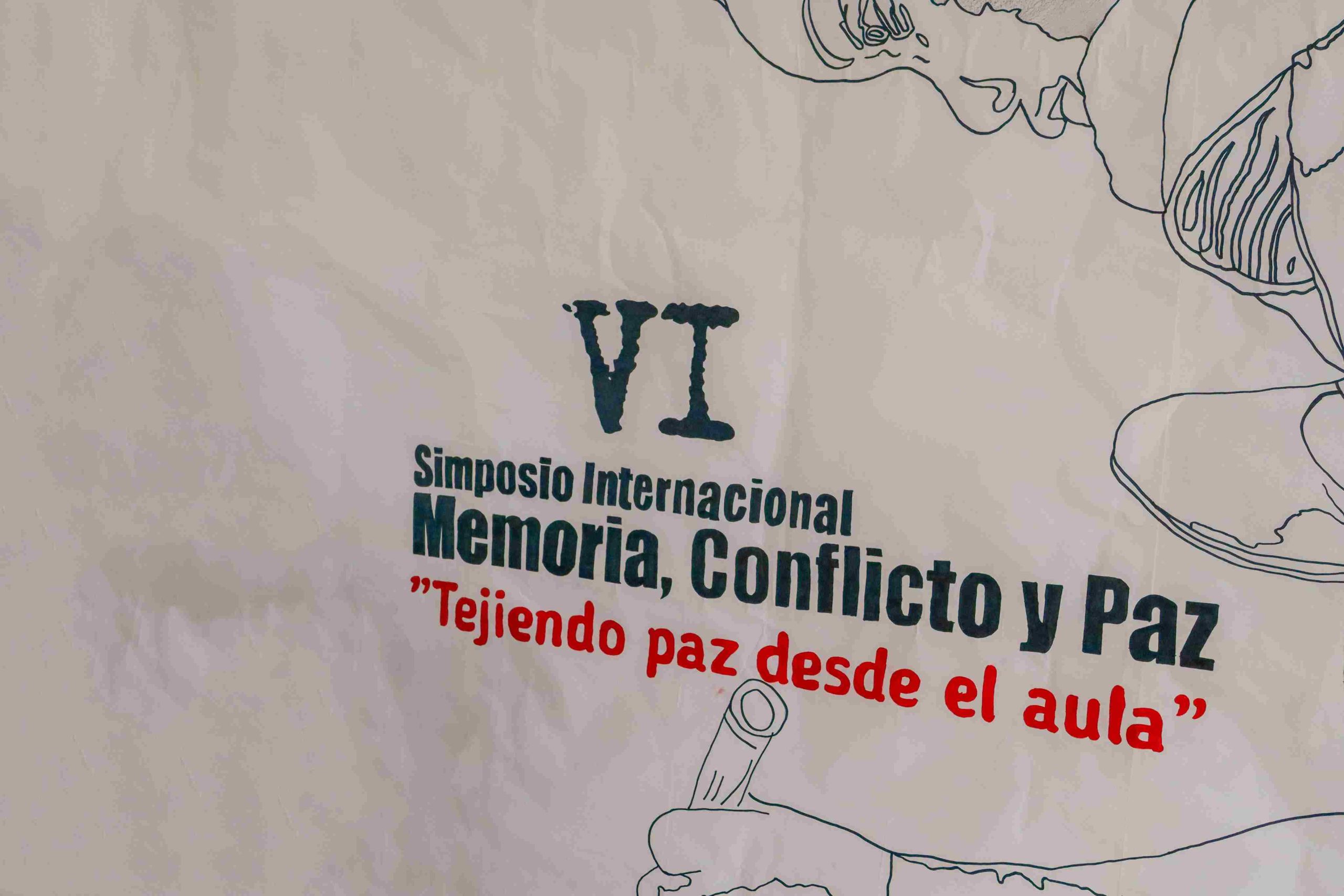
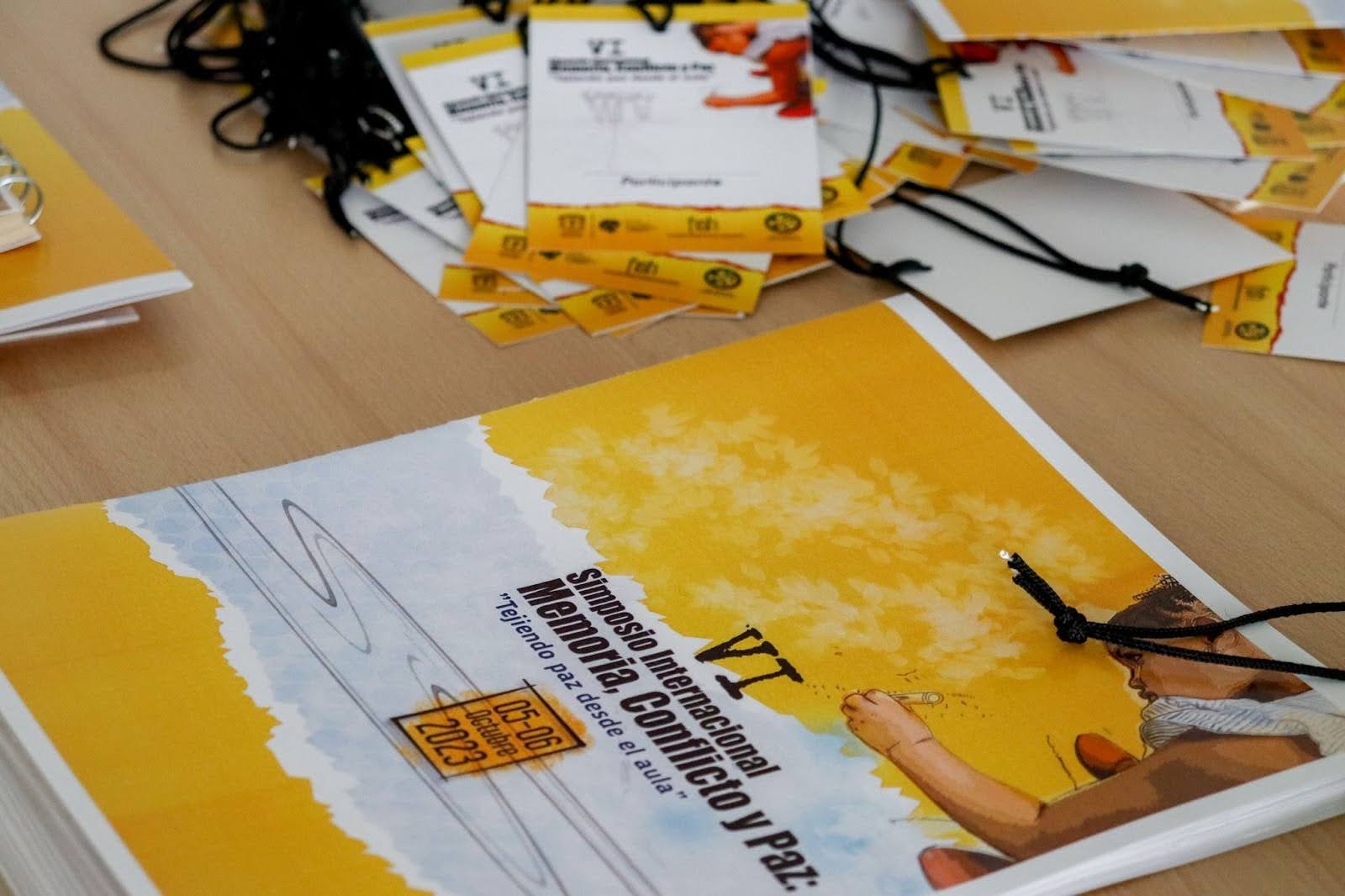
Thus, on this date, from the Peace Commission of the University of Cauca, we reaffirm our ethical, academic, and political commitment to the construction of a critical, situated, and transformative memory in the country. This exercise of memory becomes even more relevant when considering the magnitude of the humanitarian tragedy we have experienced as a nation: nearly 120,000 victims of enforced disappearance, more than 6,402 extrajudicial executions, and almost 11 million victims in total, figures that reveal the depth of that collective pain and the urgency of advancing toward scenarios of truth, justice, comprehensive reparation, and guarantees of non-repetition.
We recognize that the Colombian context has been shaped by profound historical inequalities and multiple forms of violence; therefore, memory cannot be understood as a neutral or merely commemorative exercise. Remembering implies taking a position regarding what has occurred, questioning official narratives, and contributing to the construction of a truth that dignifies victims and makes visible the structural responsibilities that have sustained the armed conflict in Colombia. As a university community, we believe that there can be no full memory without the explicit recognition of responsibility for serious human rights violations. This recognition is not a symbolic gesture, but a necessary condition to advance toward real processes of justice, comprehensive reparation, and guarantees of non-repetition.
From academia, the space we occupy by mission, we understand memory as a field of political, pedagogical, and ethical dispute. Therefore, we assume the commitment to promote spaces for critical reflection, knowledge production, and education that contribute to denaturalizing violence, questioning the logics of impunity, and strengthening a culture of peace based on dignity, social justice, and respect for human rights.
Therefore, it would be almost unthinkable that, in the current context, we would not express our concern about the persistence of victimizing events in different territories of the country, as well as about the continuity of violence against social leaders, organizational processes, and historically excluded communities, particularly in the department of Cauca. This reality makes evident the fragility and the need to move forward toward a real peace with guarantees of non-repetition.
Thus, for us it is clear that from our Alma Mater, solidarity with the victims takes shape through concrete actions such as strengthening research processes committed to memory and truth, accompanying communities, defending life, and promoting spaces for dialogue that contribute to the construction of a comprehensive peace. Naming what has occurred is also a pedagogical and political act; it is recognizing that memory cannot be used to conceal impunity nor to legitimize narratives that fragment, exclude, or dilute responsibilities.
Finally, from the Peace Commission of the University of Cauca, we reiterate that peacebuilding requires truth, justice, as well as structural transformations that ensure these events are not repeated. On this day, we join in the dignification of the victims and renew our commitment to continue building, from this our house of studies that is the heritage of all, but also from collective action, a country where memory is a path toward justice and not a resource for oblivion.
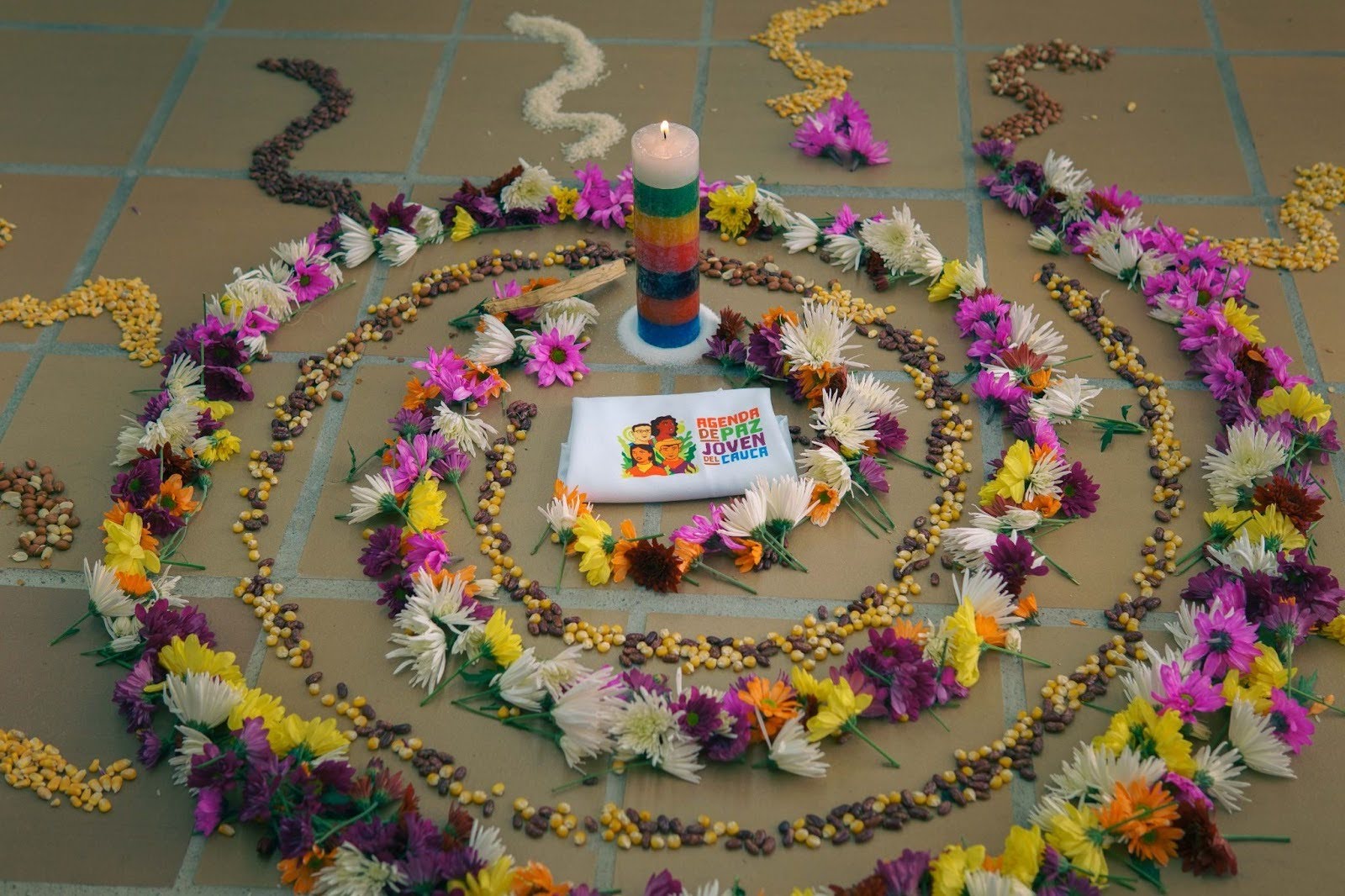
Because at the University of Cauca we think, educate, and act for peace, we will continue to recognize ourselves as a setting where the seed of hope for a better future is sown.
Address: Calle 5 # 4 - 70 | Popayan, Colombia
Opening hours:
Monday to Thursday from 8:00 a.m. to 5:00 p.m. - Friday from 8:00 a.m. to 4:00 p.m.
Telephone: +57 (602) 820 9900
Toll-free: 018000 949020
Court notifications
Institution with High Quality Accreditation for 8 years, resolution MEN 6218 of 2019 - Vigilada MinEducación
NIT. 891500319-2
Address: Calle 5 # 4 - 70 | Popayan, Colombia
Telephone: +57 (602) 820 9900
Toll-free: 018000 949020
Requests, Complaints, Claims, Suggestions and Congratulations
Email: ventasreclamos@unicauca.edu.co
Judicial notifications
Email:processes@unicauca.edu.co
Institution with High Quality Accreditation for 8 years, resolution MEN 6218 of 2019 - Vigilada MinEducación