Encuentra lo que necesitas en segundos. Explora, descubre y obtén respuestas rápidas. ¡Comienza tu búsqueda ahora!
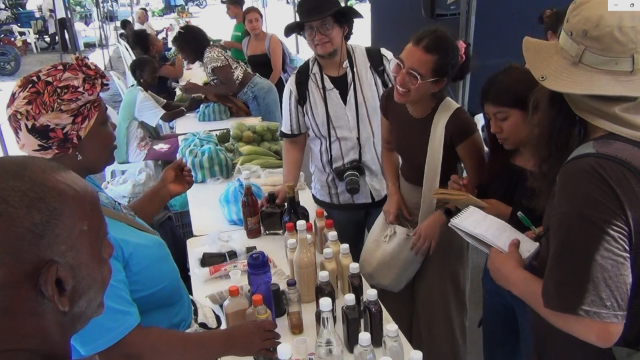
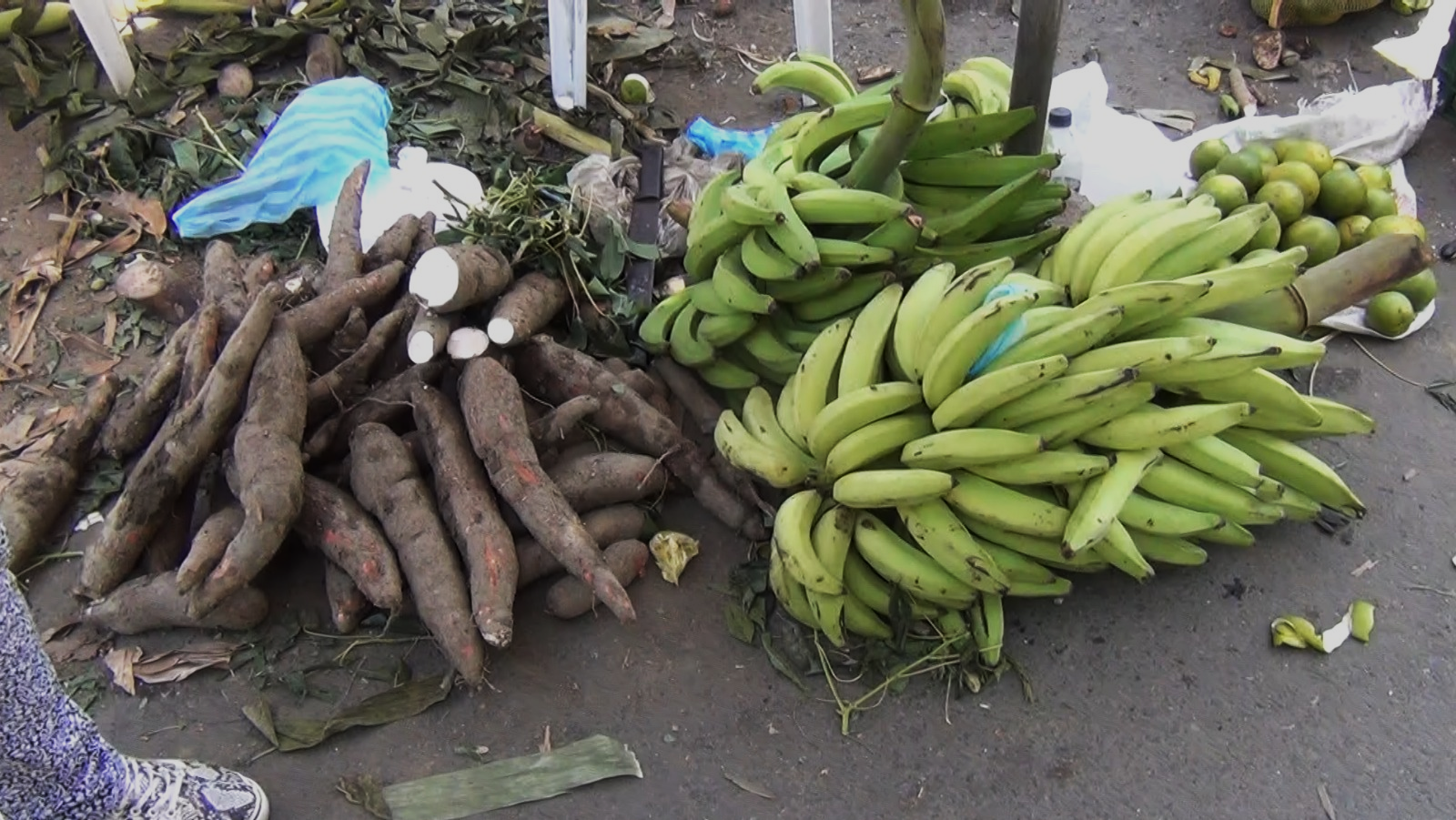
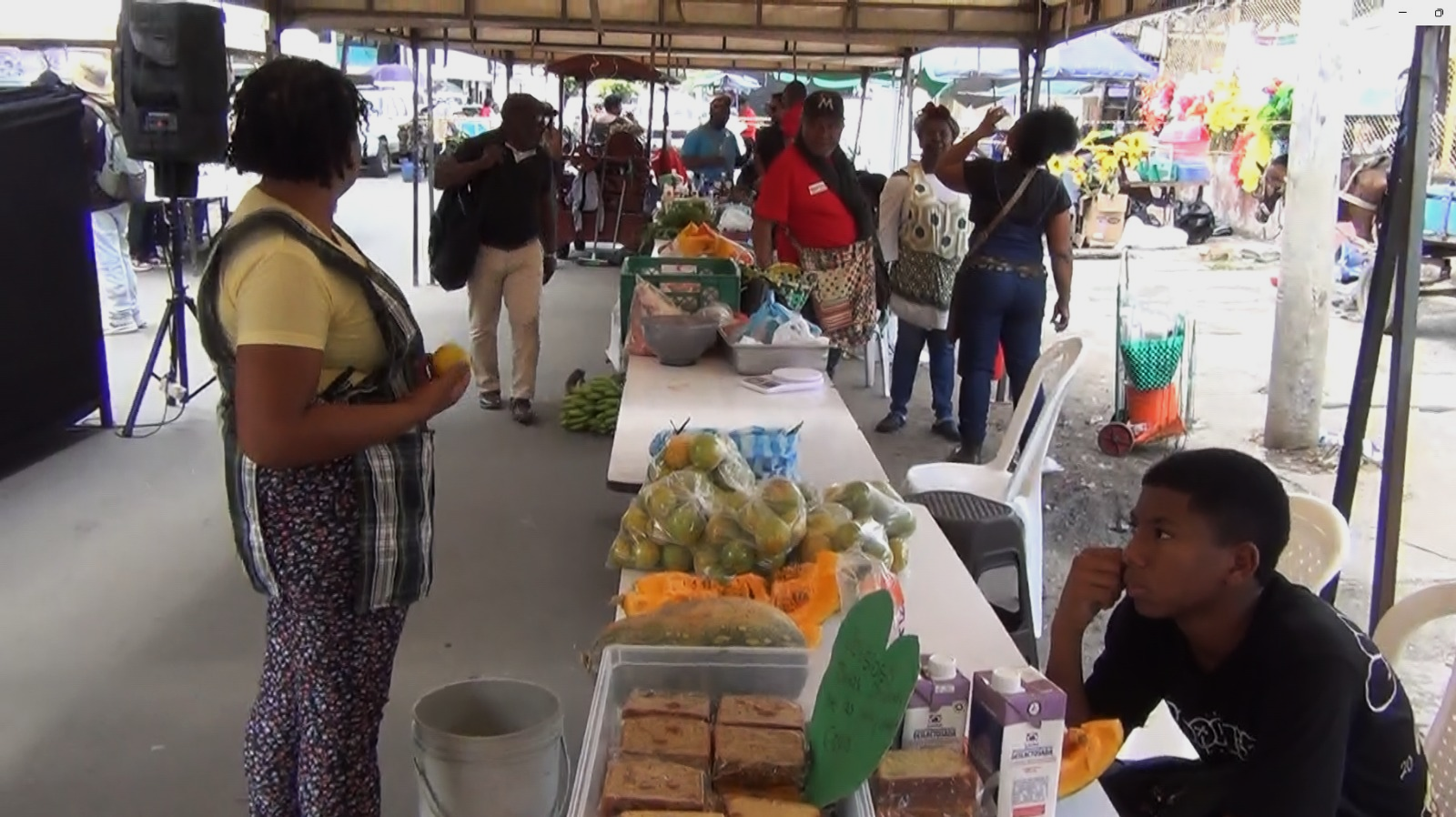
On April 19, in the heart of the Mercado Afro Finquero, agroecological projects ceased to be assignments and became realities. The marketplace was filled not only with vegetables, meats, and fruits, but also with dialogues between elders who hold the secrets of seeds and young people who now embrace food sovereignty as a form of resistance and peace. Thus, the closing of the Diploma Program in Arts, Trades, Ancestral Knowledge, and Agroecology, more than a ceremony, became a celebration of life in which participants shared the results of their work and the strength of the knowledge they had built.
The diploma program, created within the framework of the project “Intergenerational School: ancestral farm and agroecology in the territories of Black communities in northern Cauca, Colombia,” is a joint effort between the University of Cauca, the IMARA School, the Madre Raíz Foundation, the Own University (Unipropia), the Sinecio Mina Foundation, and the Palenke Alto Cauca. It is a highly enriching experience that was conceived with the firm purpose of fostering interactions between ancestral knowledge of the farm, peasant economies, and current discoveries, including their benefits for crops.
Thanks to this process, the Gallery of Puerto Tejada became the epicenter of a vital gathering, where the community was able to get to know firsthand the farmers who, with weathered hands and daily effort, ensure organic, healthy, and flavorful agricultural production, demonstrating that the northern Cauca countryside has everything needed to supply the family table, eliminating intermediaries and strengthening our own land. For Hernando Mejía, agricultural producer and participant in the diploma program, “There must be motivation among our people to buy from local farmers. Our products are organic and within reach; there is no need to go elsewhere to look for what we ourselves cultivate with such care”; this is his call to collective awareness regarding local consumption.
It is clear, then, that in this way the University of Cauca reaffirms its commitment to building knowledge from the territory as a form of resistance. In a world that is modernizing at an accelerated pace, ancestral knowledge runs the risk of fading away. For this reason, this diploma program focuses on keeping traditions alive and on reclaiming the role of the farmer, providing a space for their story to be heard: “We are in an ongoing process of recovering the ancestral farm, which has been the way of life of our people in northern Cauca and southern Valle. This is a space to encourage, remember, and strengthen that legacy that is being lost and that today, more than ever, we must recover,” stated Janer Valencia, member of Palenke Alto Cauca, for whom the event is a crucial step in the protection of cultural heritage.
In this way, our Alma Mater reaffirms its role as a house of thought that walks alongside those who inhabit the territories. By engaging in initiatives that strengthen local knowledge, the University of Cauca maintains its firm commitment to solidarity outreach and community-based processes, contributing in a tangible way to territorial peace, equity, and the development of our region. In this same vein, the diploma program aligns its actions with the Peace Commission, committing to the collective construction of a more just future for all communities.
Thus, through shared efforts and reciprocal learning, the University of Cauca not only consolidates spaces to preserve ancestral traditions and project culture into the future; it also continues to honor what is set out in its Plan de Desarrollo Institucional. Through the third strategic axis, For a supportive university committed to its environment, we demonstrate that the mission of this nearly bicentennial institution transcends the classroom to recognize, respect, and empower the voice of those rich and diverse territories that define us.
Address: Calle 5 # 4 - 70 | Popayan, Colombia
Opening hours:
Monday to Thursday from 8:00 a.m. to 5:00 p.m. - Friday from 8:00 a.m. to 4:00 p.m.
Telephone: +57 (602) 820 9900
Toll-free: 018000 949020
Court notifications
Institution with High Quality Accreditation for 8 years, resolution MEN 6218 of 2019 - Vigilada MinEducación
NIT. 891500319-2
Address: Calle 5 # 4 - 70 | Popayan, Colombia
Telephone: +57 (602) 820 9900
Toll-free: 018000 949020
Requests, Complaints, Claims, Suggestions and Congratulations
Email: ventasreclamos@unicauca.edu.co
Judicial notifications
Email:processes@unicauca.edu.co
Institution with High Quality Accreditation for 8 years, resolution MEN 6218 of 2019 - Vigilada MinEducación