A voice that blossoms in the classroom and safeguards the memory of the word
A voice that blossoms in the classroom and safeguards the memory of the word
30 April, 2026
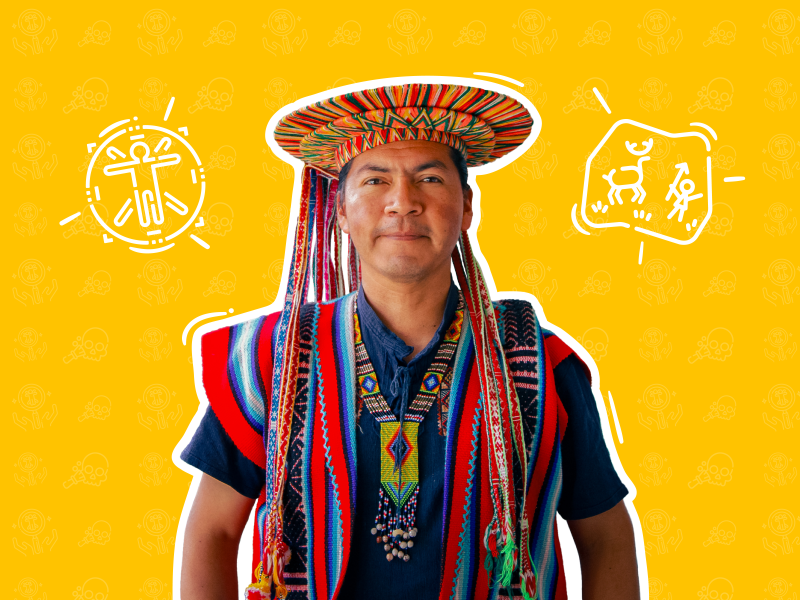
International Mother Language Day is celebrated at the University of Cauca, honoring Professor Willian Jairo Mavisoy Muchavisoy and his invaluable work in safeguarding memory and caring for life through the word
Every February 21, the world comes together to commemorate International Mother Language Day, a date that highlights the vital importance of the linguistic and cultural diversity of our peoples. In this atmosphere of global reflection, the caucana Alma Mater takes pride in honoring the voice, memory, and inspiring path of Professor Willian Jairo Mavisoy Muchavisoy. His identity and his profound ancestral knowledge have transformed teaching into a sacred act of care for life, the word, and our Mother Earth.
This day, proclaimed by UNESCO, is not only a call to make visible the urgency of protecting native languages, many of them on the brink of extinction, but also a recognition of the intrinsic richness of each language as a unique window for understanding the world. The mother language is much more than a means of communication; it is the repository of collective memory, the anchor of identity, and the guiding thread of the spiritual continuity of peoples. In Colombia, a country that recognizes itself as pluriethnic and multicultural, this date invites us to open our ears and hearts to the voices that carry ancestral knowledge, recognizing their fundamental contribution to the construction of a truly just, equitable, and diverse society.
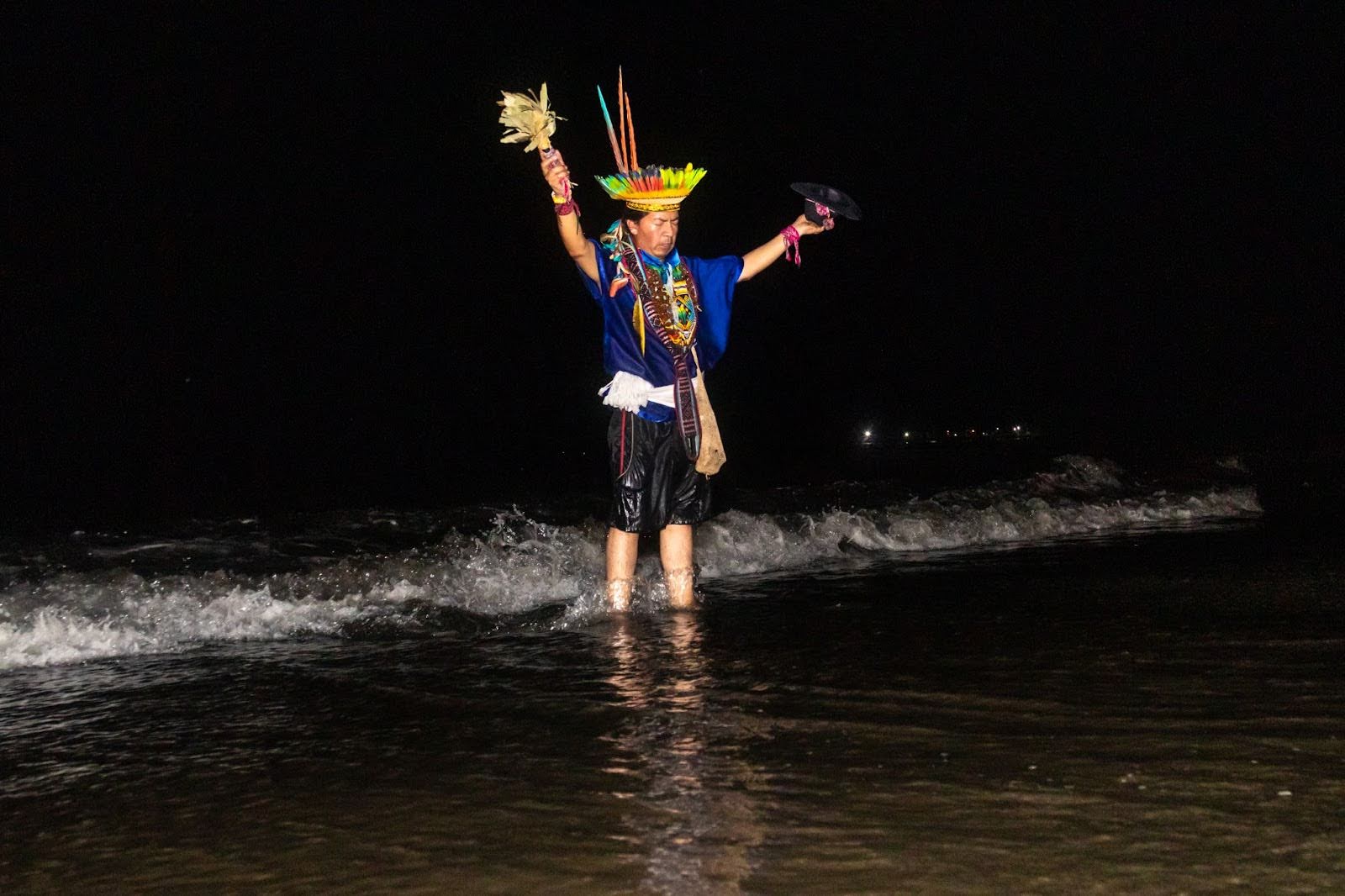
Photograph: Communications Management Center
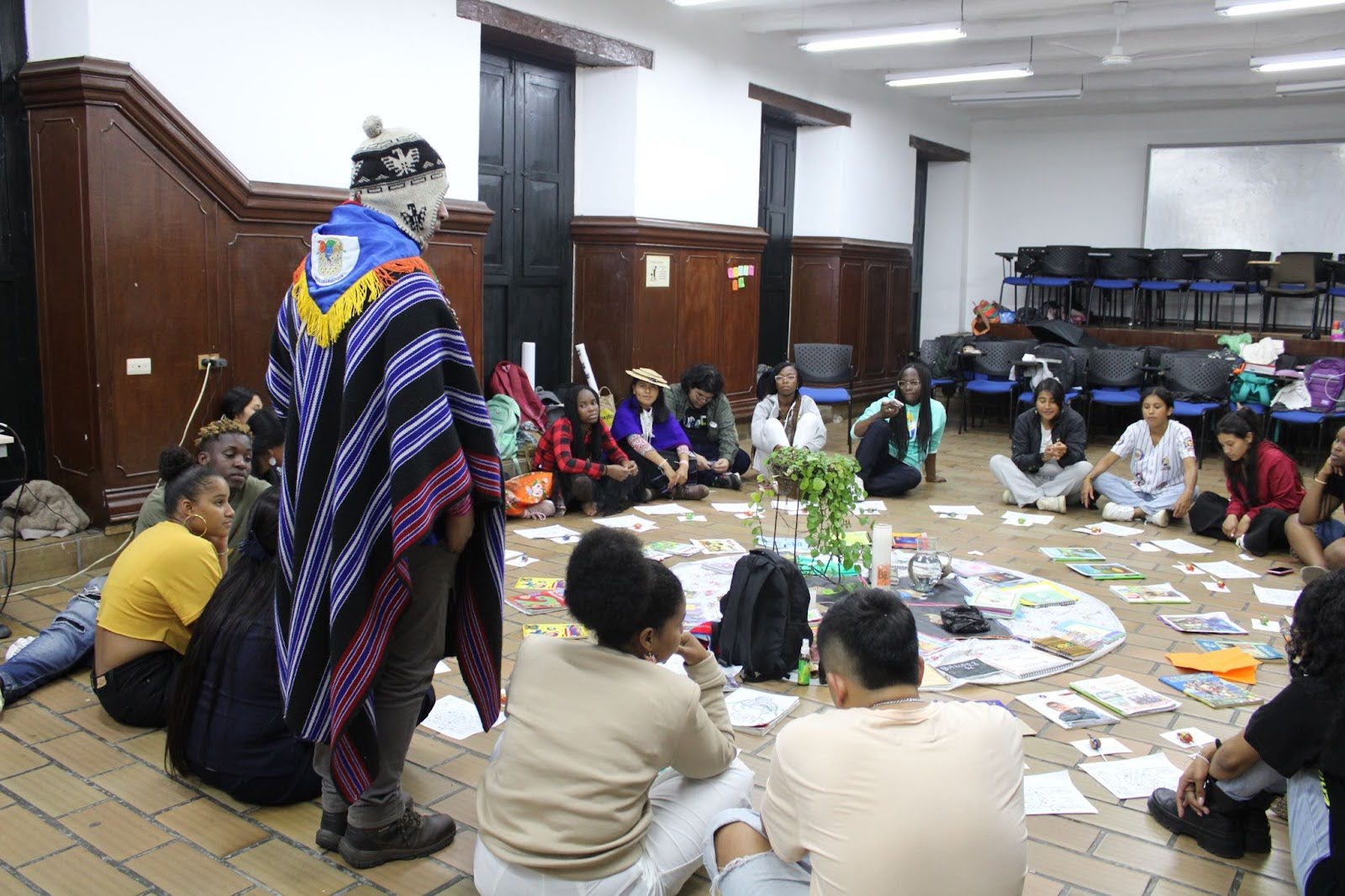
Photograph: Bachelor’s Degree in Ethnoeducation, Karent Andrea Hoyos.
Professor Willian Mavisoy, originally driven by his parents’ desire to see him access higher education, found his true vocation by drawing inspiration from the example of his mother. She, an emblematic figure of wisdom, leadership, curiosity, guidance, and pedagogy, possessed a profound sense of care for life and an innate connection with the community. It was this legacy that guided him toward the field of Anthropology, a choice that allowed him to shape his academic path without renouncing his kamënts̈á essence, the pride of being “Born here, in his land.” His academic training continued with a master’s degree in Interdisciplinary Development Studies, and he is currently engaged in doctoral research in Ethnobiology and Biocultural Studies. However, beyond academic labels, he defines himself as jtsenojwabnayá, “The one who consciously walks his curiosities.” From this unique perspective, he has developed innovative concepts such as: kohacer, kósmovilidad, econsciencia, plurikósmos, ser-saber, kósmofrenda, diálogo de ser-saberes, and memoriandar. These ideas give life to his profound conception of the word-memory bíolugargogia, which he defines as “The conversation with the teacher Mother Earth together with her places and her people who co-create memories of ancestral wisdom.” A significant milestone in his trajectory was becoming, in 2019, the first indigenous full-time professor at the University of Cauca, an achievement that allows him to skillfully interweave ancestral knowledge with academic knowledge.
Although he was born in the Sibundoy Valley, he has spent 25 years in Cauca, a territory he also recognizes as a sacred place; from there, and especially in the classrooms of the Bachelor’s Degree in Ethnoeducation, he promotes the dialogue of being-knowledges between scientific paradigms and ancestral wisdom. For this member of the University of Cauca community, practicing teaching from his Indigenous identity means being abuatambayá-tatsëmbuá, that is, someone who heals and educates at the same time, which makes his message to students clear and deeply consistent with that mission: “For those who have a strong command of their native language, to think and feel from it and to know how to engage in dialogue with the theoretical and practical paradigms offered by their academic program. For those who are Indigenous and do not speak their native language, to forgive the historical past and allow themselves to heal the memory-place of their existence in order to sow and rekindle the language spoken by their ancestors. And for those who do not consider themselves Indigenous, to foster respect and invite them to learn a native language; in this way they also contribute to solidarity for the survival of Indigenous languages and to being part of a just society where ethnic, linguistic, and spiritual-ancestral diversity is promoted. And together, to be strong in eradicating, in a healthy, creative, and respectful way, linguistic discrimination in any of the university, social, and media settings.”
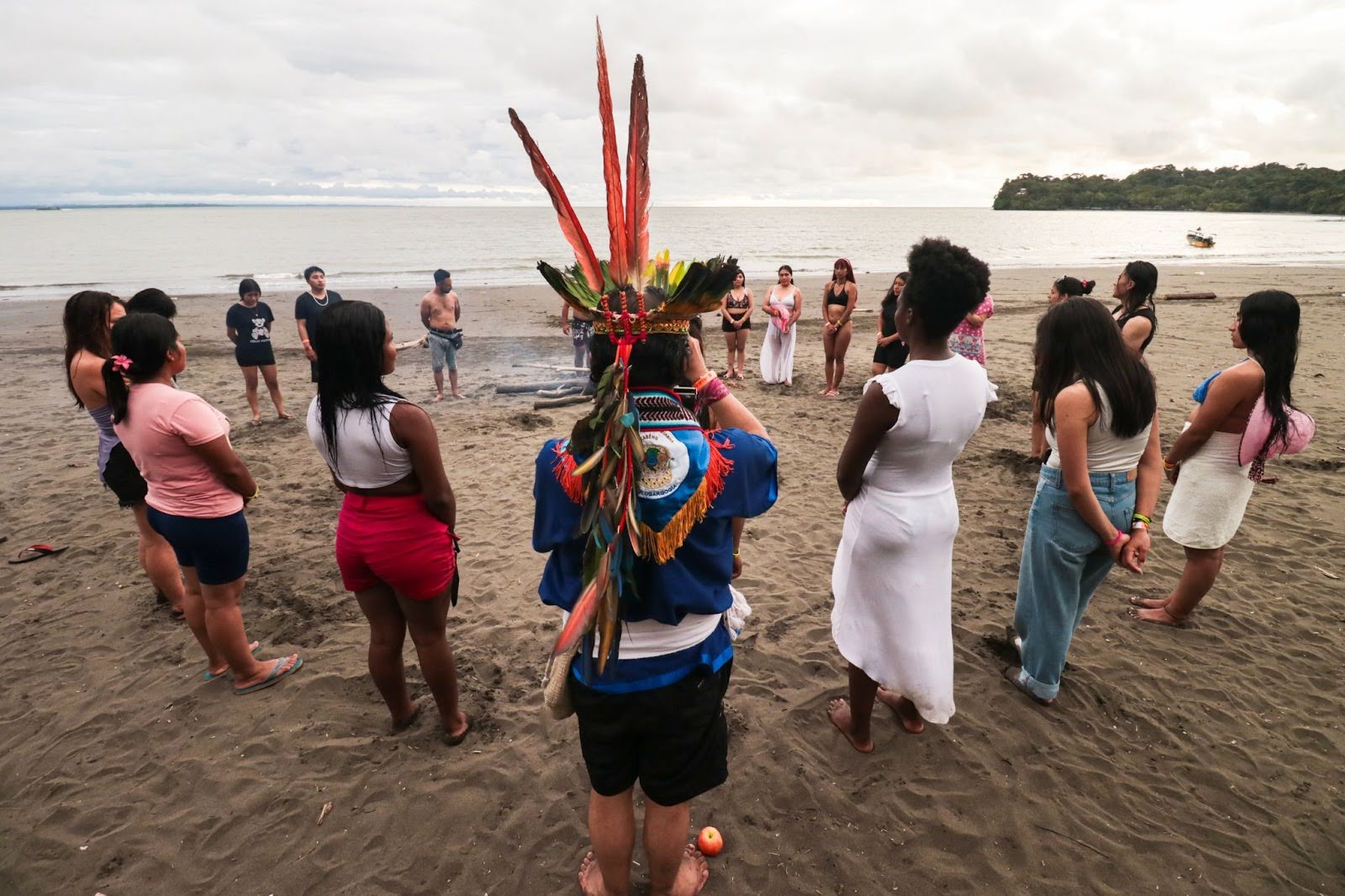
Photograph: Bachelor’s Degree in Ethnoeducation, Karent Andrea Hoyos.
Photograph: Bachelor’s Degree in Ethnoeducation, Karent Andrea Hoyos.
In this way, and as a tribute, the University of Cauca recognizes within its community a cultural richness that transcends the classroom and projects itself toward the country and the world. As it approaches its bicentennial, it reaffirms its commitment to diversity, the dialogue of knowledges, and the protection of mother languages as a living heritage of humanity. Stories such as that of Professor Willian Jairo Mavisoy Muchavisoy remind us that educating is also caring for memory and sowing the future. Because at the University of Cauca, #HeritageOfAll, we transform lives and make dreams come true by recognizing that our greatest wealth lies in the word, identity, and dignity of peoples.