Encuentra lo que necesitas en segundos. Explora, descubre y obtén respuestas rápidas. ¡Comienza tu búsqueda ahora!
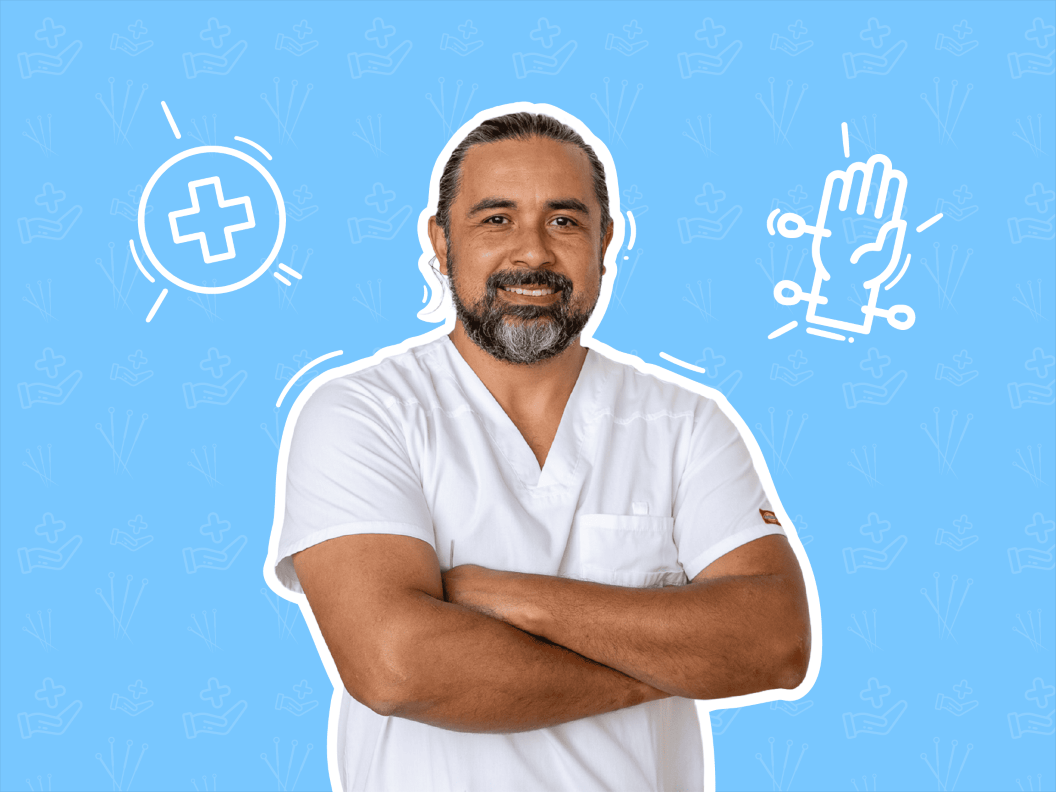
Every April 7 marks World Health Day, a date promoted by the World Health Organization to raise awareness about global health challenges and the importance of ensuring the well-being of communities. However, beyond a commemorative date, this occasion invites reflection on innovative and comprehensive approaches to health care, a perspective that comes to life in stories such as that of Professor César José Vela.
A native of Popayán and a nursing graduate of the University of Cauca, his professional path took a decisive turn during his university training. In the fourth semester, his first encounter with acupuncture and the effectiveness of Chinese medicine sparked a deep curiosity, leading him to train at a specialized school under the guidance of José Luis Padilla Corral. Years later, he would strengthen his profile with a Master’s degree in Biomedical Sciences at the University of Valle, consolidating an approach that brings together tradition and scientific rigor.
His vocation led him to teaching. For 17 years, he was a professor at the Neijing School (Cali campus), teaching acupuncture, massage, and chikung.
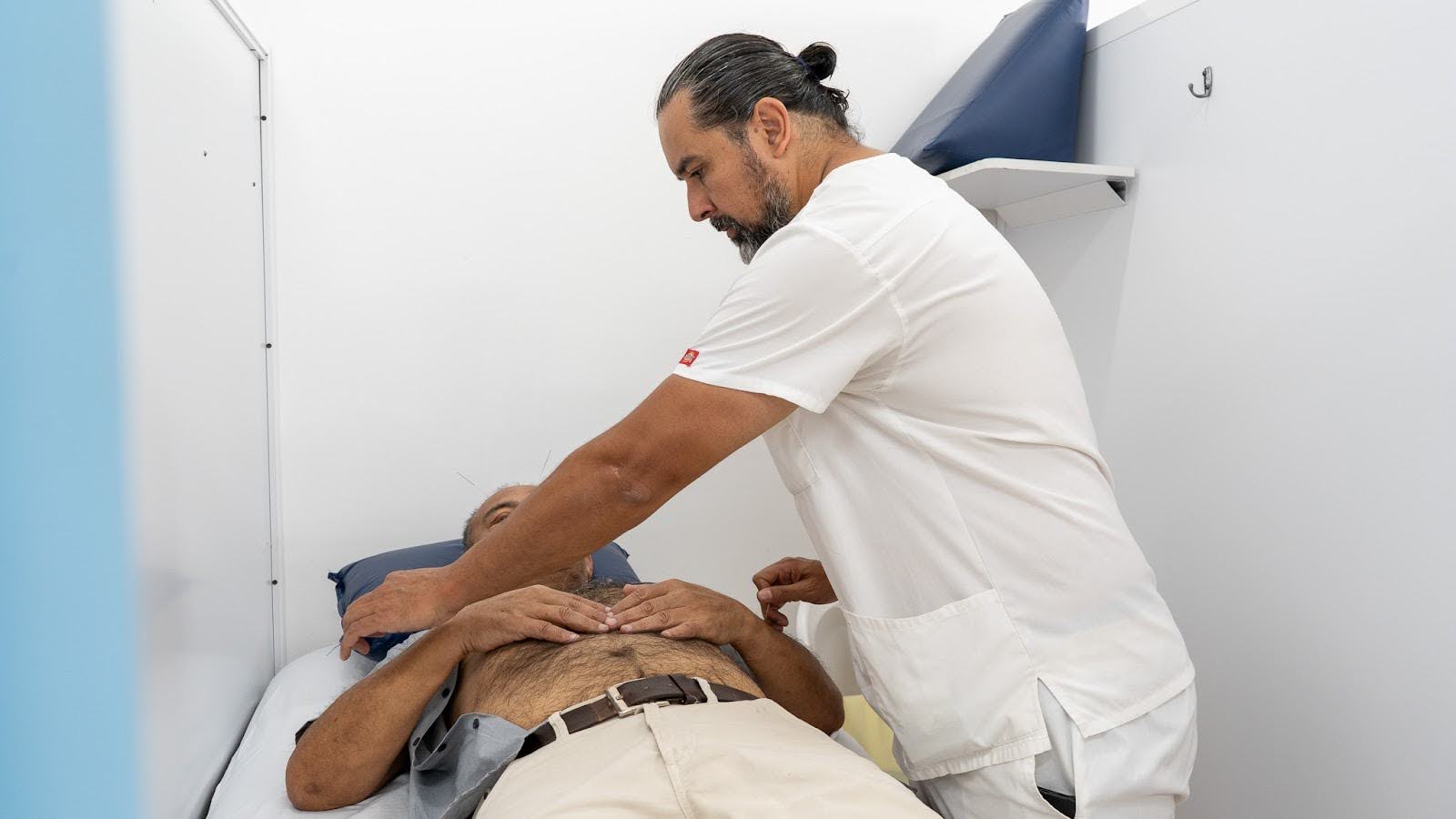
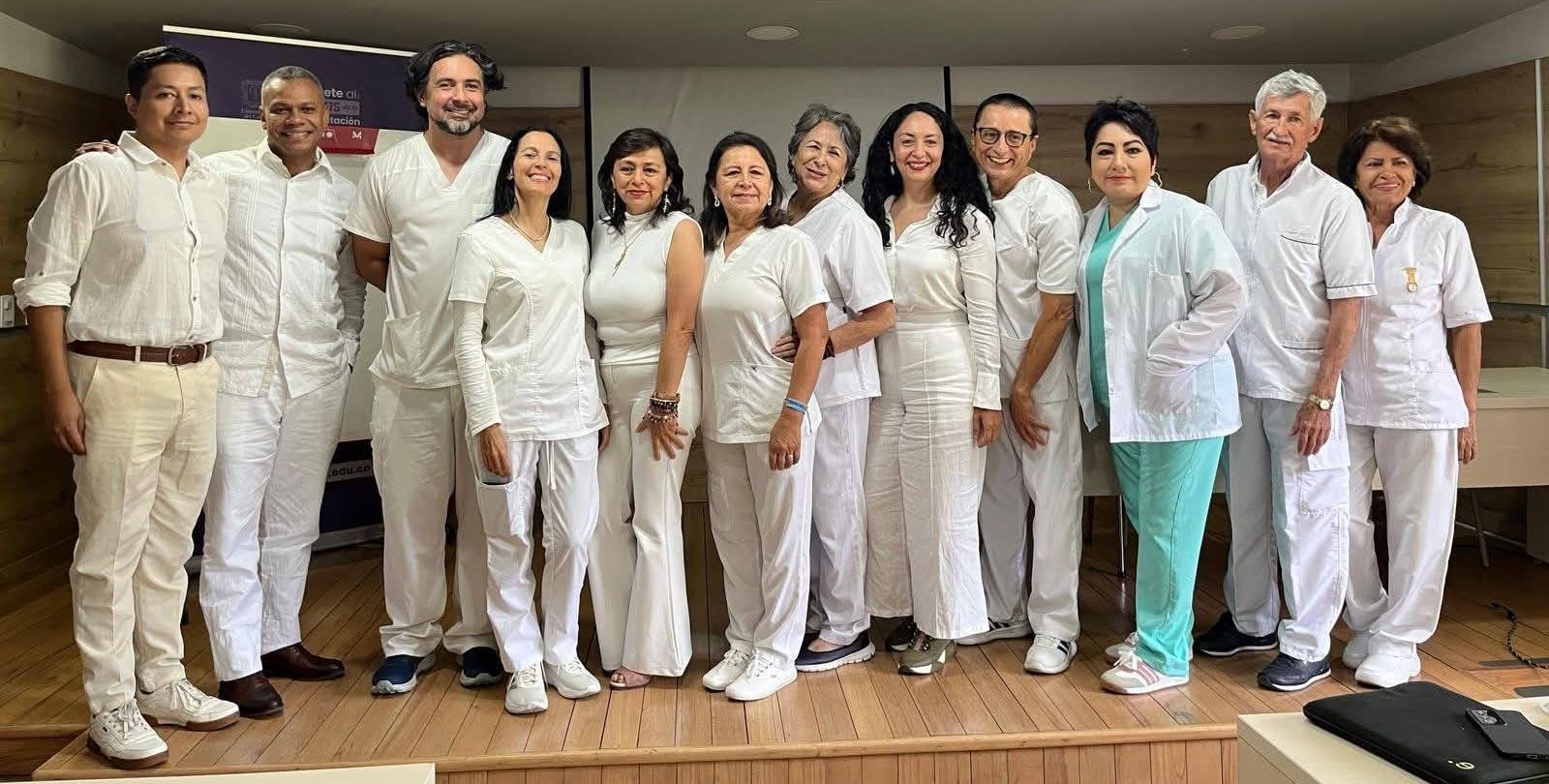
Since 2016, linked as an adjunct professor at the University of Cauca, he has promoted the integration of these therapies into academia: “For me, training these new generations is, in essence, planting a seed in each student. It means providing them with tools to approach health care from an integrative perspective, where conventional medicine works in synergy with the traditional knowledge of Chinese medicine. The goal is to bring all these efforts together toward the promotion of health and the prevention of disease. Our community urgently needs creative professionals who understand this synergy and use it to foster overall well-being,” states the professor, proud of this process.
His specialty has been the core of his research and pedagogical work: “Today it is essential to speak about health sciences from comprehensive approaches because the patient needs to add alternatives for their true well-being. To illustrate why this is key, we can look at the case of the University of Cauca, which has become a benchmark by integrating ancestral knowledge and disciplines of traditional Chinese medicine.”
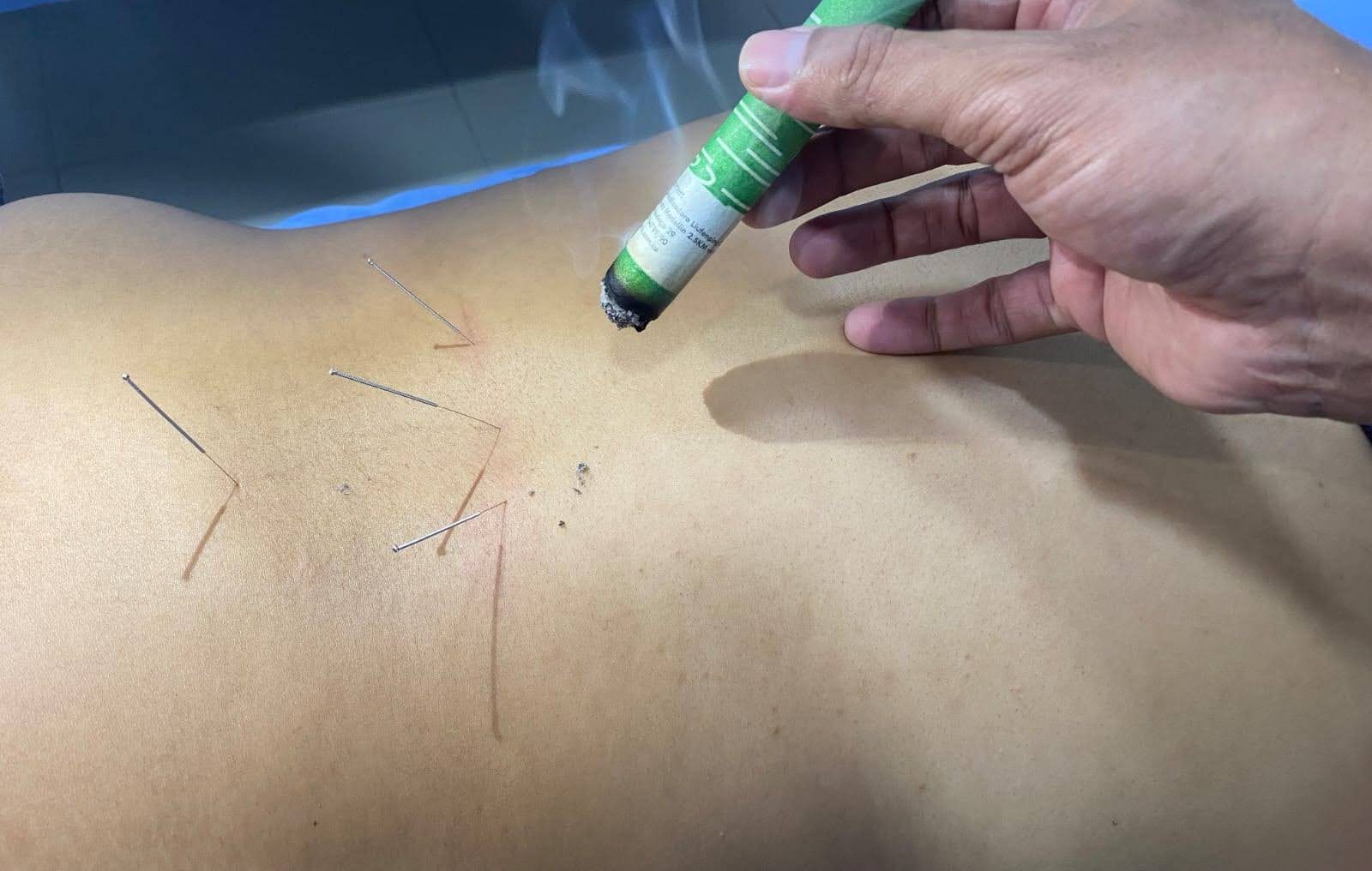
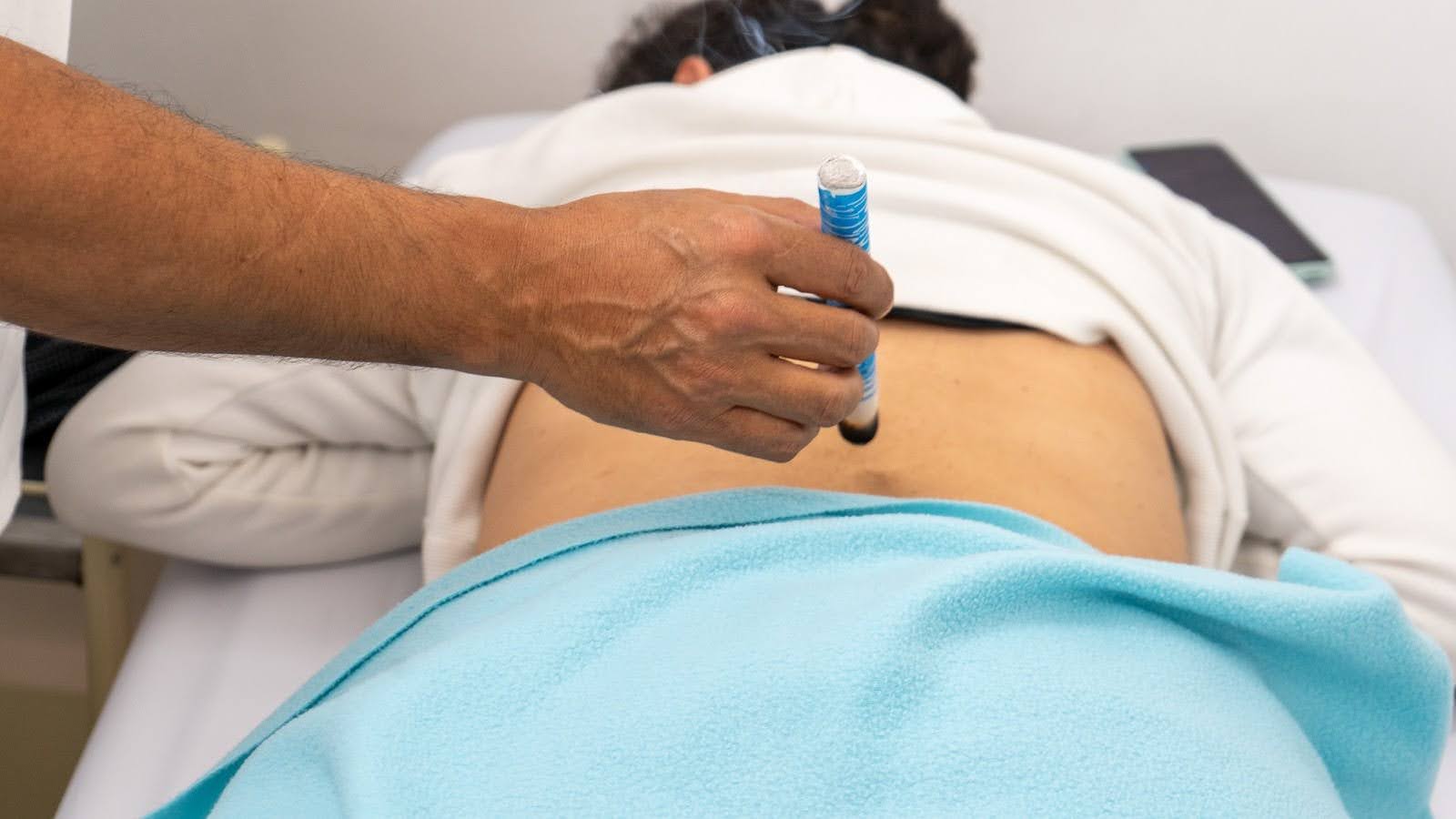
“We are doing this to care for the mental health of our own community, but also to contribute through research and social outreach,” he explains. Techniques such as acupuncture, moxibustion, and therapeutic massage not only complement treatments, but also strengthen prevention and quality of life, positively impacting cost-effectiveness for patients.
The message Professor Vela conveys to his students is one of commitment and responsibility: “Take on the study and practice of integrative therapies with true responsibility. The health system needs professionals who not only apply these therapies, but also conduct research, generate knowledge, and promote the appropriate use of massage, acupuncture, and moxibustion. We are talking about invaluable knowledge; to give you an example, in 2010 in Nairobi, UNESCO declared acupuncture and moxibustion as Intangible Cultural Heritage of Humanity. That is the level of therapeutic and historical treasure you hold in your hands, and your great commitment is to safeguard it, study it, and take it to the next level,” he states.
Thus, one of the most significant milestones in his life was obtaining his PhD in Biomedical Sciences in 2025. His research, focused on interventions using Chinese medicine in patients with advanced cancer, profoundly shaped his human perspective: “If I had to choose an experience that deeply marked me, it would undoubtedly be my doctoral project, which I began in 2020. It involved carrying out acupuncture interventions in patients with advanced cancer, accompanying people who were at the end of their lives. It was an invaluable joint effort, the result of a partnership between the University of Valle and the University of Cauca through a royalties-funded project. On both a professional and human level, it was an immensely enriching stage. As a team, we immersed ourselves in the field of palliative care and learned a great deal. But what truly reflects the impact of Chinese medicine on people’s lives was seeing how this discipline manages to provide relief, quality of life, and well-being to patients and their families in such difficult moments.”
Thus, the University of Cauca reaffirms its commitment to a vision of health that transcends the conventional. Hand in hand with Professor César José Vela, the institution not only integrates ancestral knowledge and scientific rigor, but also cultivates a sensitivity capable of providing well-being even in the most difficult moments of life. On this World Health Day, his story reminds us that true medical progress is born from openness and empathy; a path along which our Alma Mater continues to sow the seeds of a more humane, integrative, and deeply conscious medicine.
Address: Calle 5 # 4 - 70 | Popayan, Colombia
Opening hours:
Monday to Thursday from 8:00 a.m. to 5:00 p.m. - Friday from 8:00 a.m. to 4:00 p.m.
Telephone: +57 (602) 820 9900
Toll-free: 018000 949020
Court notifications
Institution with High Quality Accreditation for 8 years, resolution MEN 6218 of 2019 - Vigilada MinEducación
NIT. 891500319-2
Address: Calle 5 # 4 - 70 | Popayan, Colombia
Telephone: +57 (602) 820 9900
Toll-free: 018000 949020
Requests, Complaints, Claims, Suggestions and Congratulations
Email: ventasreclamos@unicauca.edu.co
Judicial notifications
Email:processes@unicauca.edu.co
Institution with High Quality Accreditation for 8 years, resolution MEN 6218 of 2019 - Vigilada MinEducación