Students and professors of Philosophy carry out a research project in the Puracé...
Students and professors of Philosophy carry out a research project in the Puracé Indigenous Settlement
10 March, 2026
The fieldwork made it possible to learn about the processes of transforming medicinal plants into mother tinctures carried out at the Health House of the Indigenous Settlement.
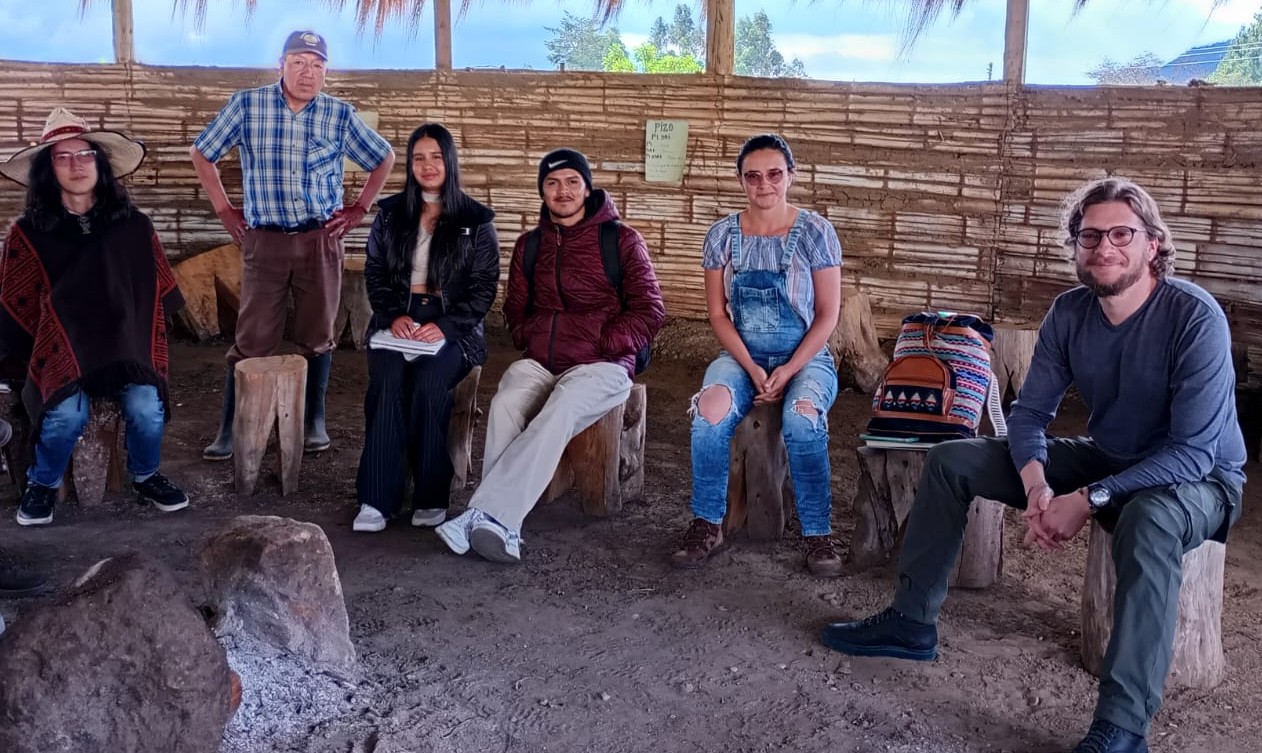
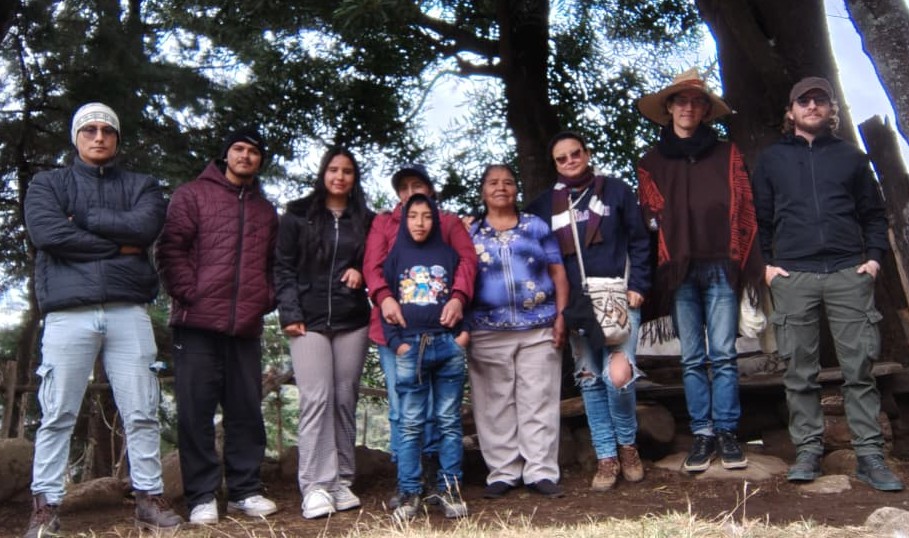
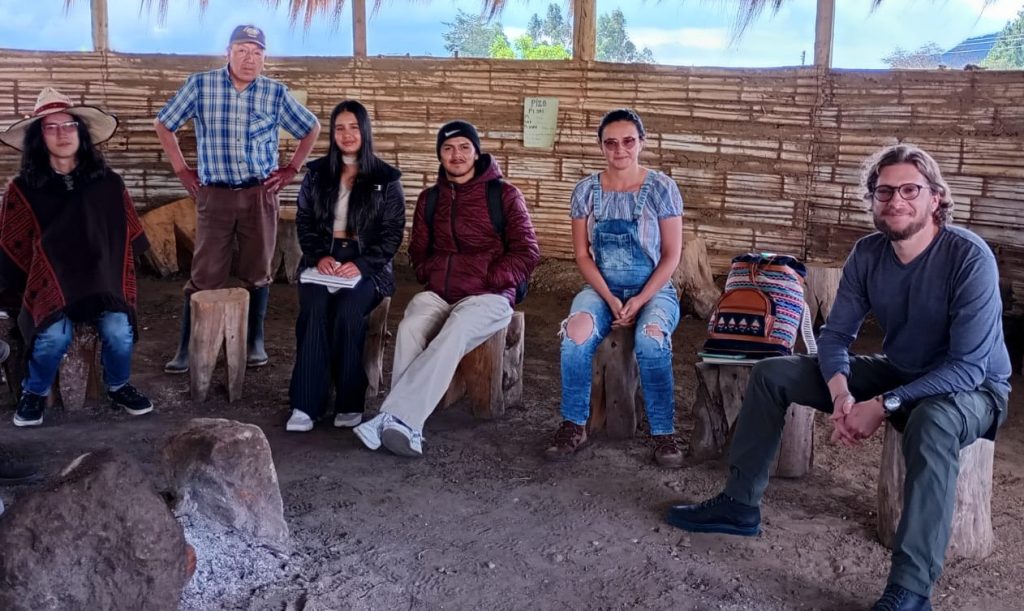
Within the framework of the research project “Visions of Mental Health from the Indigenous Traditional Medicine of the Kokonuco People,” ID 6330 and endorsed by the Vice-rectory for Research of the University of Cauca, professors and students from the Philosophy program participated on August 30 and 31 in a field visit to the village of Cuaré in the municipality of Puracé, Cauca.
There, with the prior authorization of the Puracé Indigenous Settlement, they sought to “identify the gnoseological and ontological foundations that constitute the visions of health from the Indigenous traditional medicine of the Kokonuko people,” stated Professor Diana Soto Ossa of the Department of Philosophy, who is involved in the project as a doctoral candidate in Human Sciences at the University of Cauca.
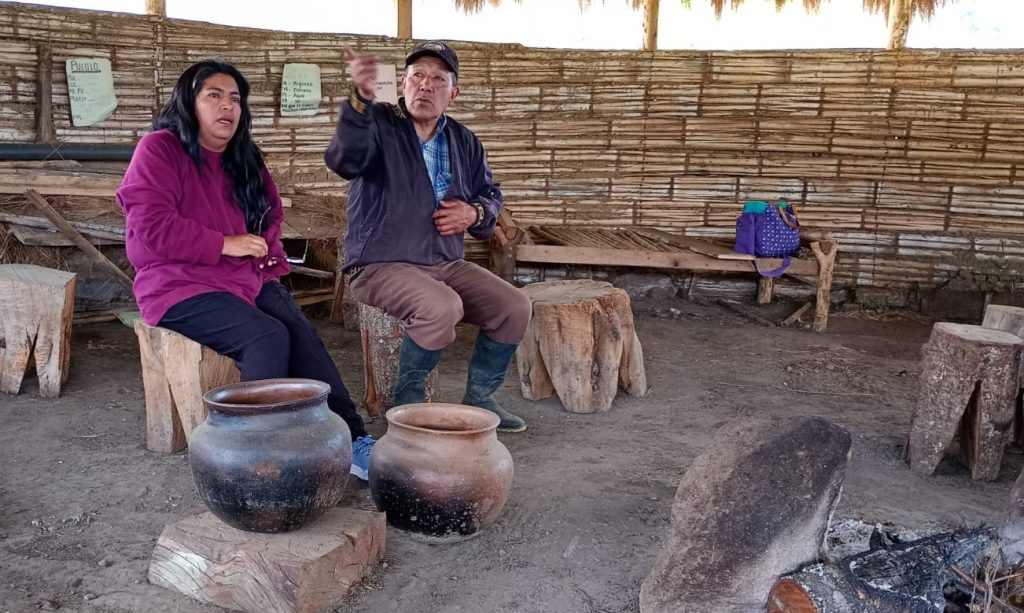
During this activity, they were able to closely examine the various processes involved in transforming medicinal plants into mother tinctures carried out at the Health House of the Puracé Indigenous Settlement. This took place within the framework of the Intercultural Self-Health System, as expressed by Eliana Quira, one of the individuals responsible for these processes within the Settlement.
Provided Photo.
Provided Photo.
Likewise, there was an opportunity to hold a small circle of the word, where the members of the University of Cauca attentively listened to the words of the elder knowledge keeper Rosendo Quira, who spoke about the understandings, from the cosmogony of the Kokonuco people, of illness as disharmony and health as balance.
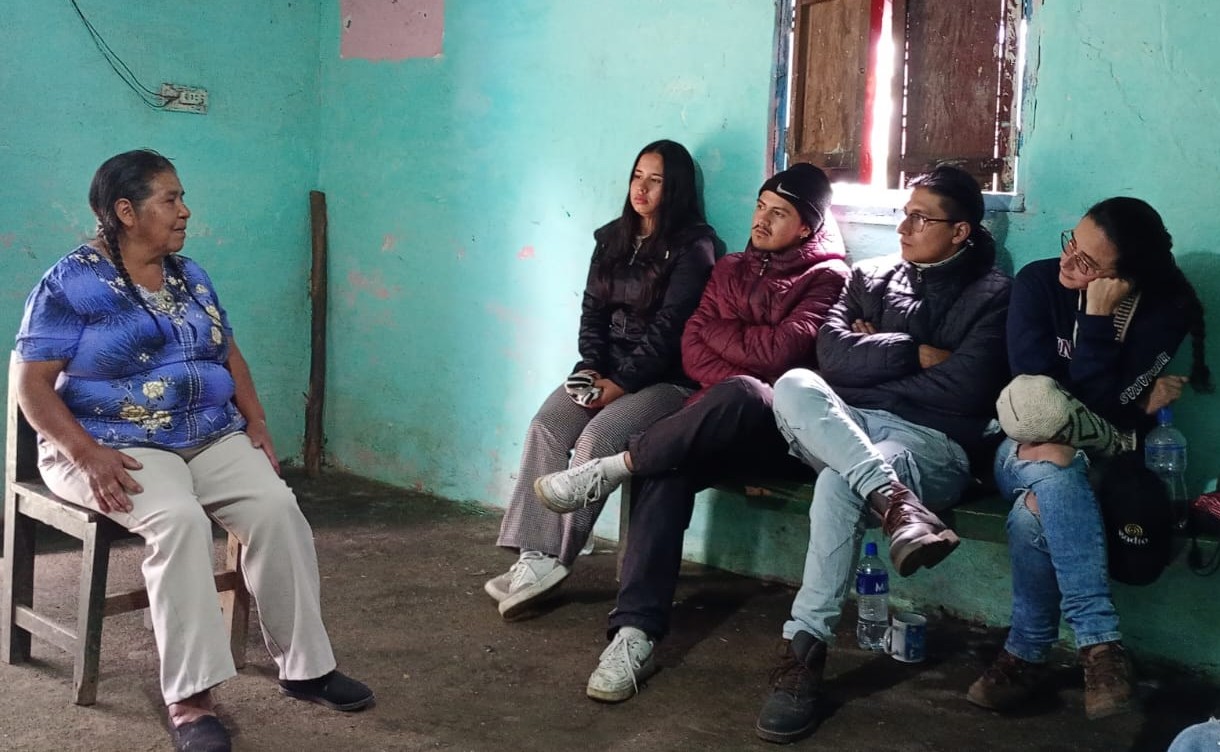
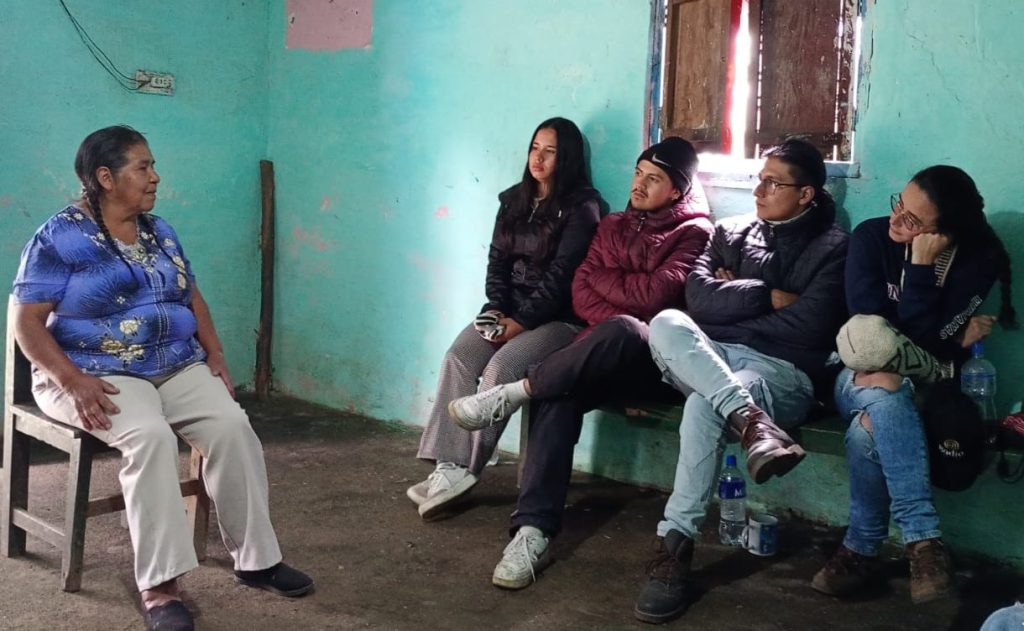
In addition, the team interviewed Felisa Pizo, a weaver and traditional midwife from the village of Cuaré, who welcomed the professors and students and shared her experience as a woman bearing traditional knowledge related to care, the treatment of cold during pregnancy, and the importance of the knowledge required in childbirth assistance, that is, the gifts needed to support the arrival of life.
“These experiences allowed for a broader vision regarding the notions of health and illness, and from a philosophical standpoint, they sparked a desire to understand how these notions participate in and converge within the Puracé Indigenous Settlement,” concluded Professor Yerson Y. Carrillo Ardila, director of the research project.