• Increase font size
  • Decrease font size
  • Increase Spacing
  • Decrease Spacing
  • Grayscale
  • Contrast
  • Dyslexia Font
  • Reset
  • Relay Center

Encuentra lo que necesitas en segundos. Explora, descubre y obtén respuestas rápidas. ¡Comienza tu búsqueda ahora!

The University of Cauca scales up its global leadership: the path toward Artifici...

The University of Cauca scales up its global leadership: the path toward Artificial Intelligence is consolidated from Europe

Imagen de ícono calendario
24 April, 2026
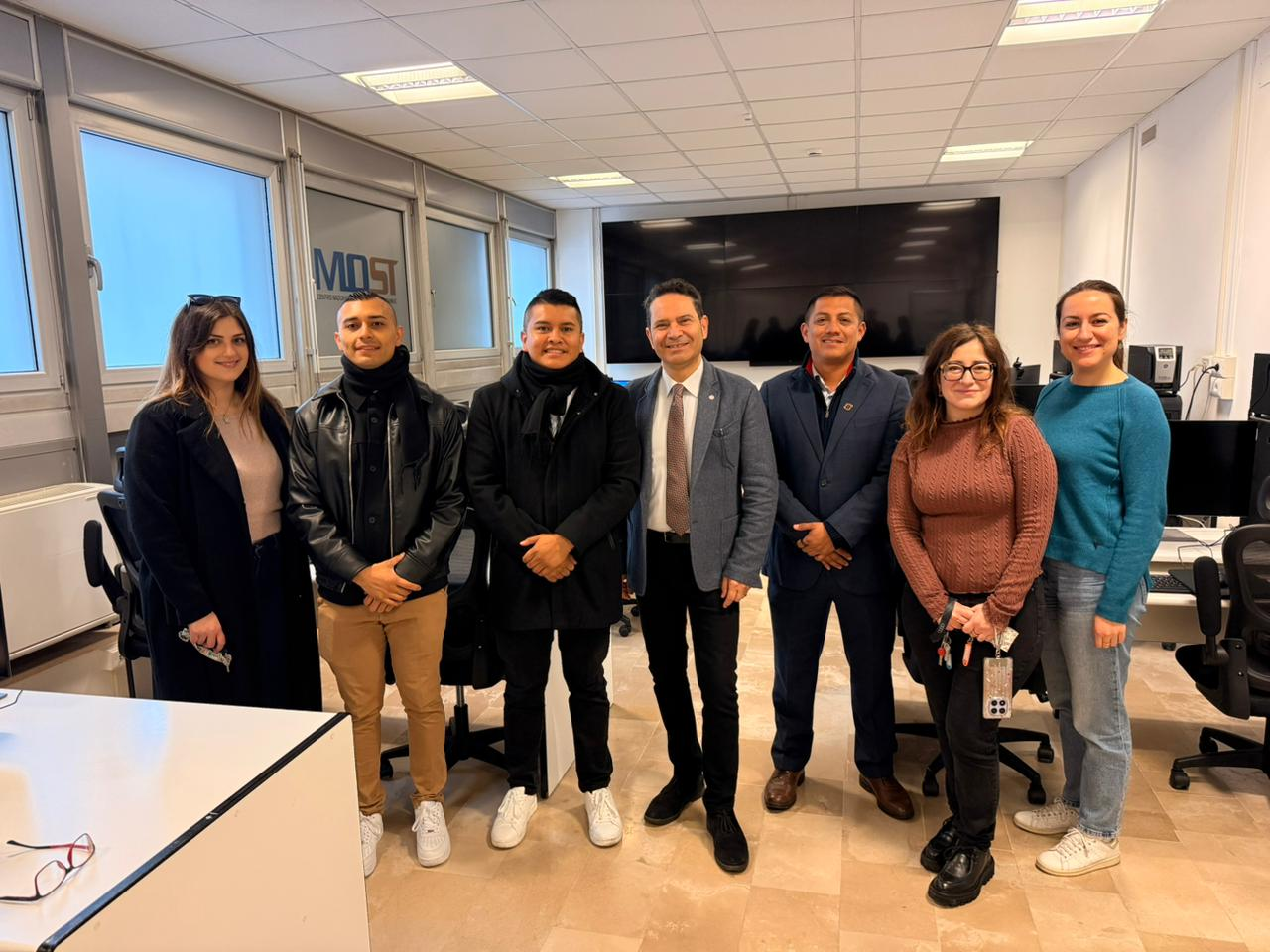
Between March 12 and 29, 2026, the University of Cauca visited higher education institutions in Italy and Hungary. The primary objective of this engagement was to strengthen interinstitutional ties, enhance academic and research capacities, and deepen knowledge of cutting-edge experiences in administrative management, digital transformation, and Artificial Intelligence (AI).

A high-level delegation from the University of Cauca has taken a decisive step toward technological modernization and the consolidation of strategic partnerships on the European continent, laying the foundations for an unprecedented transformation in academic and administrative management. Through this international engagement, the institution has not only strengthened ties with elite research centers in Italy and Hungary, but has also returned with a clear roadmap to integrate Artificial Intelligence and data science as cross-cutting pillars that will address global challenges, ensuring that the Alma Mater remains a benchmark of innovation, excellence, and social relevance for southwestern Colombia.

Imagen Inteligencia Artificial
Photograph: Communications Management Center
Imagen Inteligencia Artificial
Provided Photo.

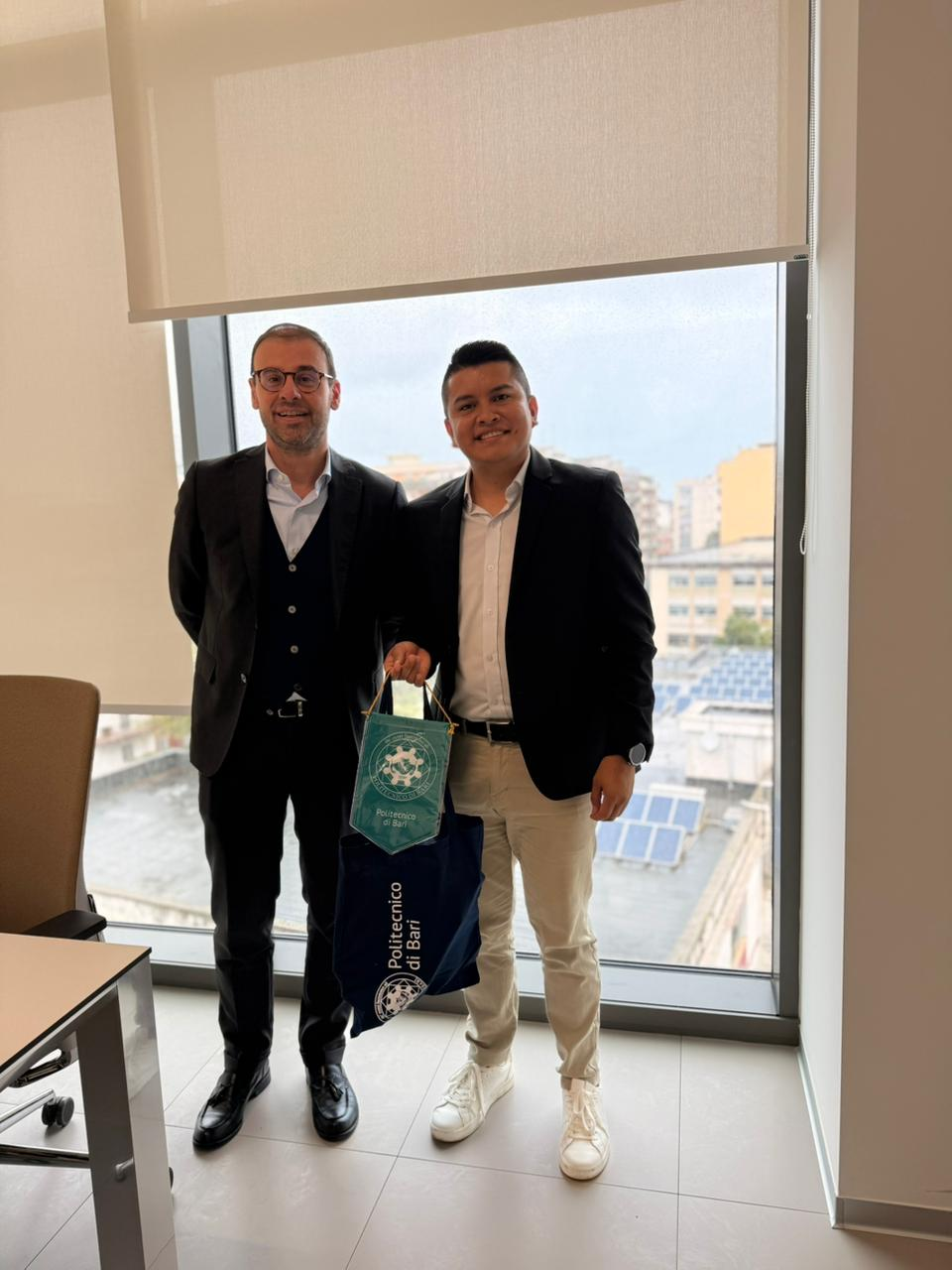
This academic mission, which took place between March 12 and 29, 2026, was composed of the Administrative Vice-Rector, Jorge Adrián Muñoz Velasco; the professional from the Information and Communication Technologies (ICT) Division, Jorge Esteban Meneses Delgado; and the professor from the Faculty of Civil Engineering and director of the Road Technological Development Center (CDT VIAL), Jaime Rafael Obando Ante. The delegation, organized to strengthen interinstitutional ties, enhance academic and research capacities, and deepen knowledge of cutting-edge experiences in administrative management, digital transformation, and Artificial Intelligence (AI), was carried out through working sessions and technological visits at the Politécnico de Bari and the University of Dunaújváros.

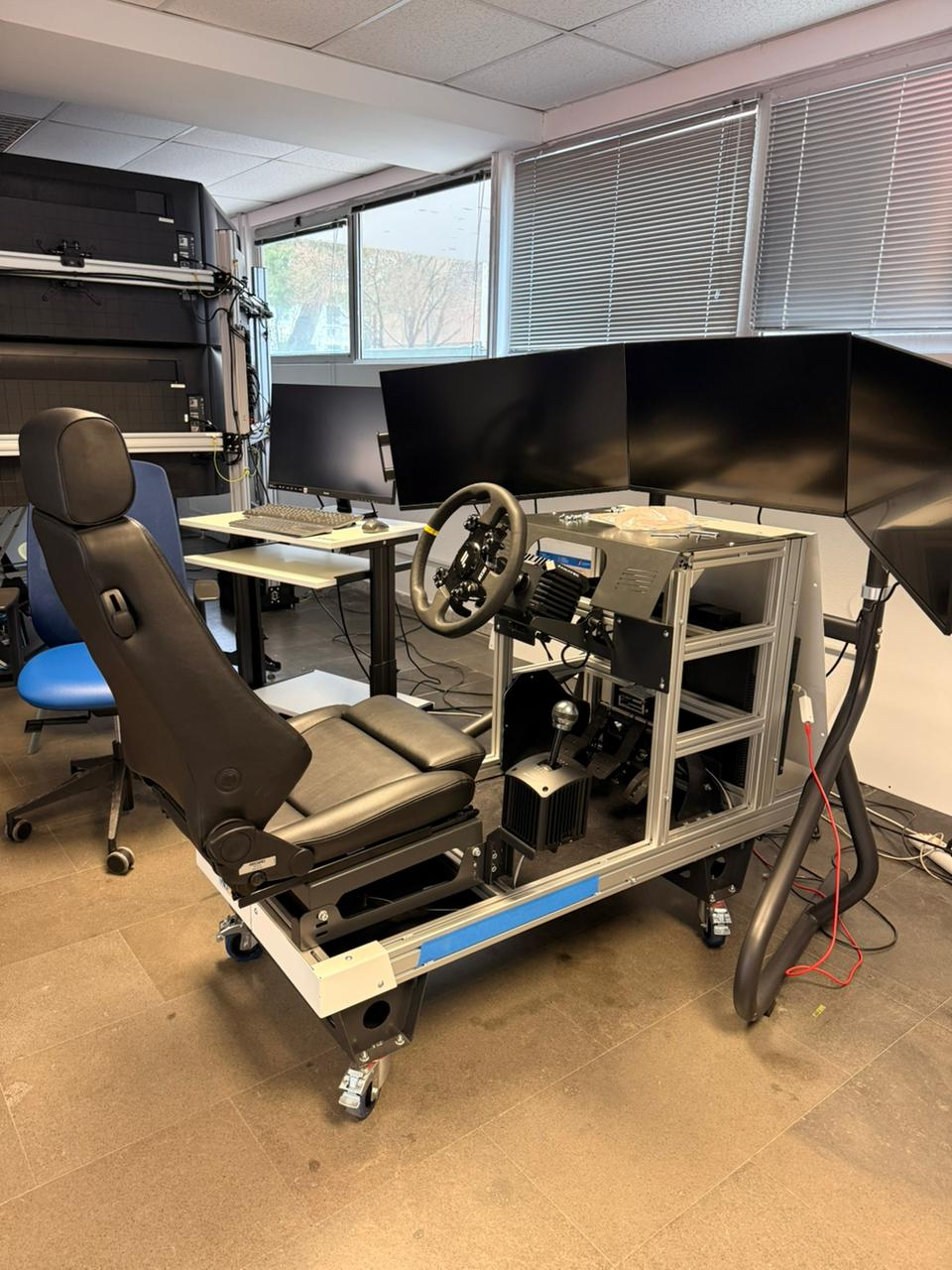
At the Politécnico de Bari, an institution recognized in the QS ranking with a strong offering in engineering and architecture, the delegation from the University of Cauca explored high-complexity laboratories such as the START Laboratory, focused on alternative transportation systems, and the TRAMP and MIOST centers, where data processing and simulation techniques are applied for sustainable mobility.

In addition, experiences were shared at the GEOTECH Geotechnical Laboratory regarding the production of cement using marine sediments, a line of research closely related to the work carried out by the Soil Laboratory and the CDT VIAL of our University.

In this context, Professor Jaime Rafael Obando Ante presented the work of the SIGMA Research Group and promoted research-based study activities in areas such as geotechnics and computer science, opening the door to future collaborations and two-way agreements through programs such as Erasmus+, which funds the exchange of students and faculty in Europe.

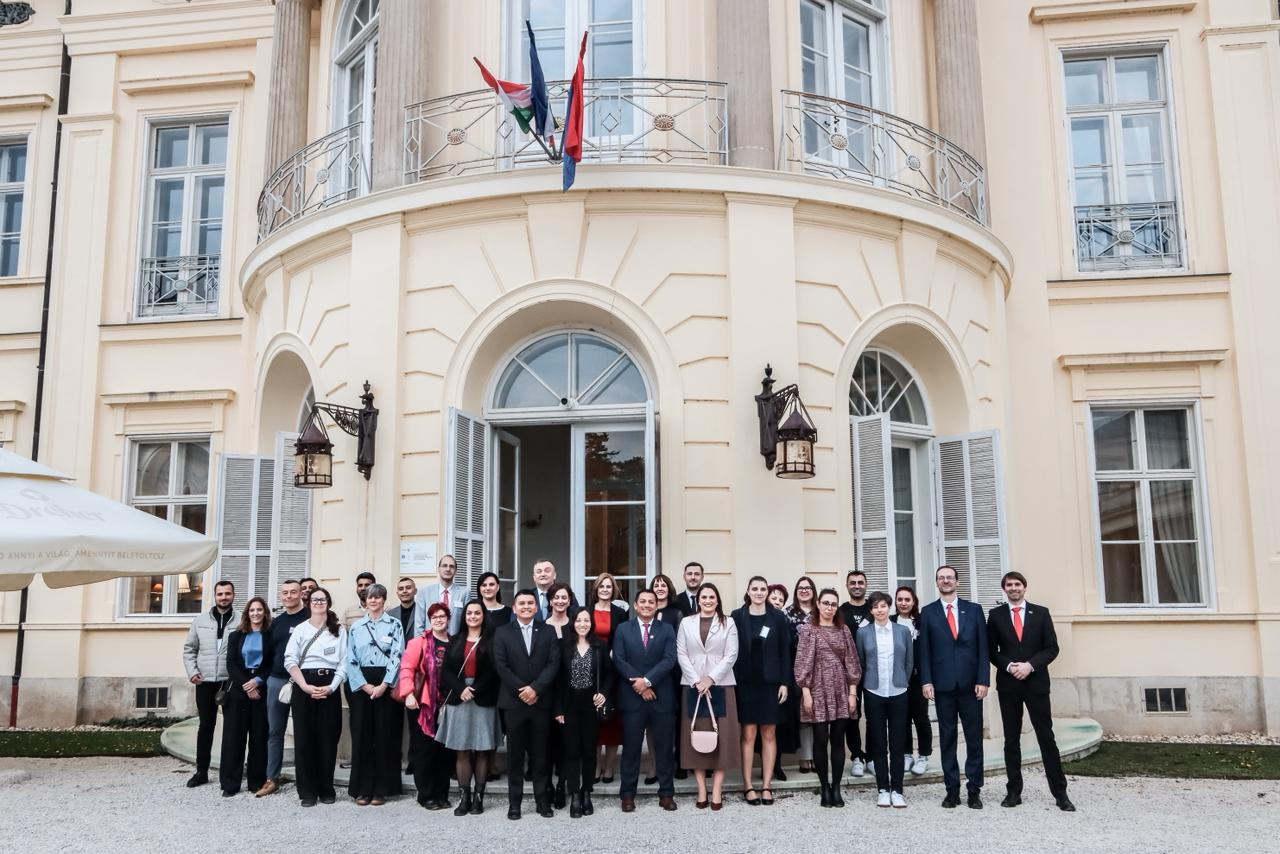
After the productive experience in Italy, the second stage of the visit moved to the University of Dunaújváros, where the delegates participated in the Days on Artificial Intelligence in Education. This international event brought together delegations from more than ten countries to discuss how AI is redefining the roles of professors and students, highlighting the need for universities to develop clear institutional policies for its ethical and responsible use. It was also discussed how AI has moved beyond being a simple support tool to become an active actor in content generation and the optimization of administrative processes for real-time decision-making.

In this regard, the Administrative Vice-Rector, Jorge Adrián Muñoz Velasco, stated that he envisions a University in constant modernization: “It is an invitation for professors from different departments to reimagine their programs through a relevant and strategic use of new technologies, Artificial Intelligence, and Data Science (…) Institutional work requires processes in continuous modernization through tools such as Visual Analytics, which allow information to be interpreted through graphical representations to strengthen decision-making, as well as the use of artificial intelligence to integrate large volumes of data, streamline tasks, optimize time, and the use of cloud computing as a secure alternative for storing and protecting institutional information.”

Imagen Vicerrector
Provided Photo.
Imagen IA Europa
Provided Photo.

“We must move forward, project ourselves, and adapt to these technological transformations, improving the education of our students, raising the quality of services, and enhancing the working conditions of administrative staff.”

For his part, Professor Jaime Rafael Obando Ante emphasized the importance of strategically implementing the use of Artificial Intelligence: “In European universities, AI is already integrated into everyday academic activities such as assignments, assessments, and learning processes. Faced with this reality, a key question arises: ‘how do we adapt it to our context?’ We must recognize our sociocultural, economic, and educational conditions in order to achieve a relevant implementation that responds to the particularities of our University. The challenge is not only to incorporate technology, but to do so without losing the human dimension, enhancing the skills that define us while machines take on other processes. For us, this is the central point: to move toward a real, tangible, and conscious integration of artificial intelligence into academic training and into the daily lives of our students.”

As a direct result of this commission, as an institution we have broadened our perspective on the need to strengthen the strategic use of ICT and enhance the training of our academic community. These experiences inspire immediate initiatives such as the creation of an Artificial Intelligence Committee and the transversal incorporation of AI into undergraduate and postgraduate curricula, projecting a more innovative institution connected to global dynamics. Thus, the University of Cauca reaffirms its commitment to remaining at the international forefront, promoting continuous improvement that, beyond technology, allows it to continue transforming lives and making dreams come true.

Written by: Communications Management Center

Institution with High Quality Accreditation for 8 years, resolution MEN 6218 of 2019 - Vigilada MinEducación

  • Aumentar letra
  • Reducir letra
  • Aumentar Espaciado
  • Disminuir Espaciado
  • Escala de Grises
  • Contraste
  • Fuente Dislexia
  • Agrandar Cursor
  • Resaltar Enlaces
  • Restablecer
  • Centro de relevo

Universidad del Cauca

NIT. 891500319-2

Address: Calle 5 # 4 - 70 | Popayan, Colombia

Telephone: +57 (602) 820 9900

Toll-free: 018000 949020

Requests, Complaints, Claims, Suggestions and Congratulations
Email: ventasreclamos@unicauca.edu.co

Judicial notifications
Email:processes@unicauca.edu.co

Follow us on:

Institution with High Quality Accreditation for 8 years, resolution MEN 6218 of 2019 - Vigilada MinEducación