







• Aumentar letra
  • Reducir letra
  • Aumentar Espaciado
  • Disminuir Espaciado
  • Escala de Grises
  • Contraste
  • Fuente Dislexia
  • Restablecer
  • Centro de relevo
Think, act, and transform: Sustainability from the University of Cauca

Think, act, and transform: Sustainability from the University of Cauca​

In a world marked by the climate crisis, biodiversity loss, and growing inequality, sustainability is a word that often appears in institutional speeches, development plans, and global agendas. However, at the University of Cauca, it is not a rhetorical slogan or a passing trend: it is a conviction that guides the way we act. A conviction that translates into well-founded decisions, daily practices, and an institutional responsibility toward the environment, the territories, and future generations.

The recent inclusion of our university in the 2025 Global Sustainable Development Goals Ranking, compiled by Times Higher Education, marks an institutional milestone. This is the first time we have participated in an international exercise to measure and highlight our contributions to the SDGs, the result of a systematic data collection led by the Planning Office, which demonstrates not only the scope of our actions but also our commitment to tackling the challenges posed by climate change, environmental degradation, and social inequalities.

A Bicentennial University with environmental responsibility

With nearly two centuries of history, the University of Cauca understands that sustainability cannot be a delegated, fragmented, or peripheral task. We have promoted a vision that goes beyond regulations and is integrated into the academic, research, and administrative activities of the institution. This perspective has enabled the consolidation of policies and practices that strengthen environmental culture and create public value.

In recent years, we have developed the Environmental Management Plan as a tool to operationalize the Environmental Policy, updated the Comprehensive Waste Management Plan, established a carbon footprint baseline for various periods, and implemented a digital system for real-time monitoring of key environmental indicators. These tools are not an end in themselves, but rather constitute the technical foundation for making informed decisions, prioritizing investments, and evaluating progress based on criteria of effectiveness and relevance.

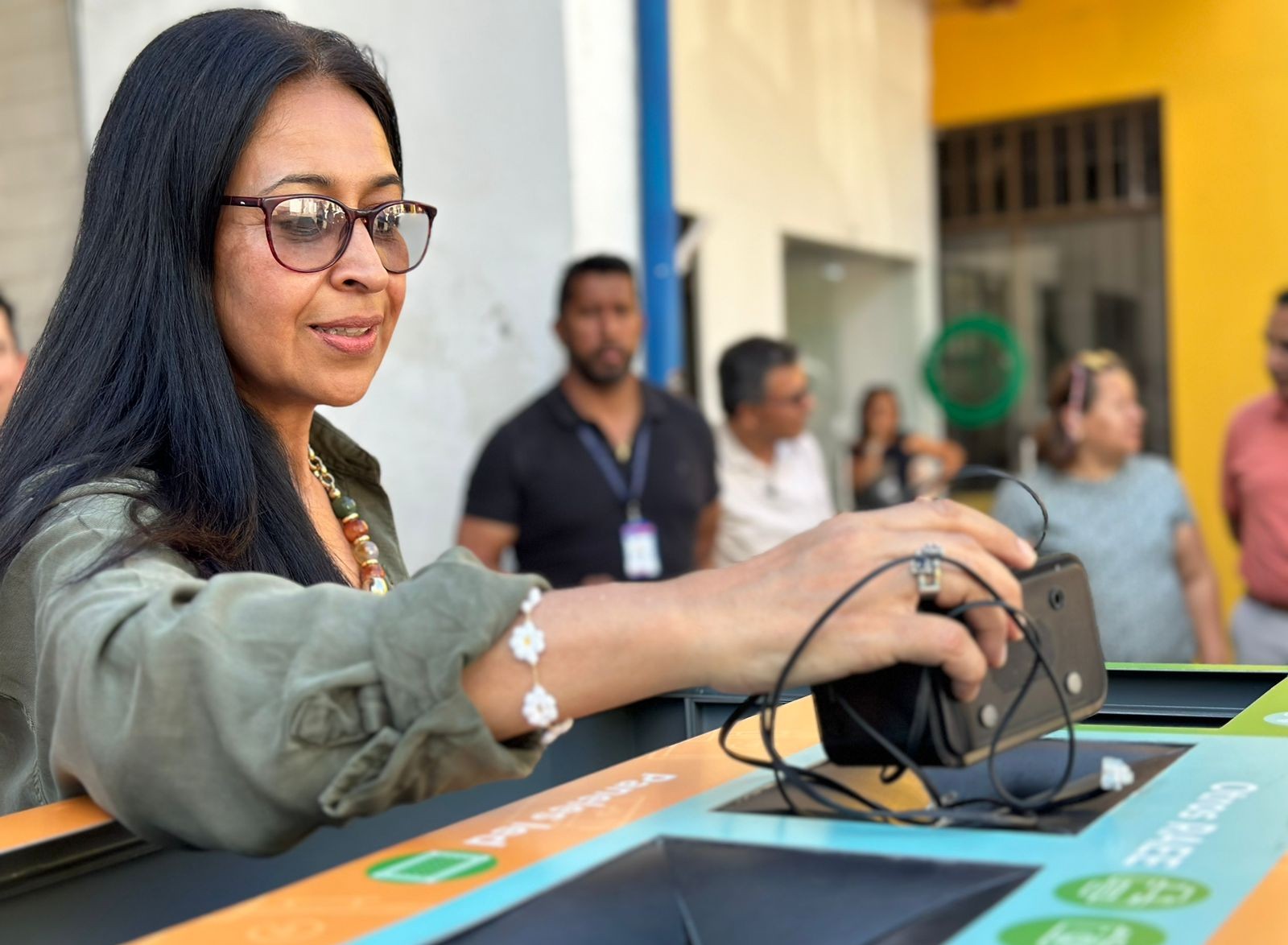
The University of Cauca has a post-consumer waste container, designed for the proper management of batteries, accumulators, lighting fixtures, and other special-handling items.
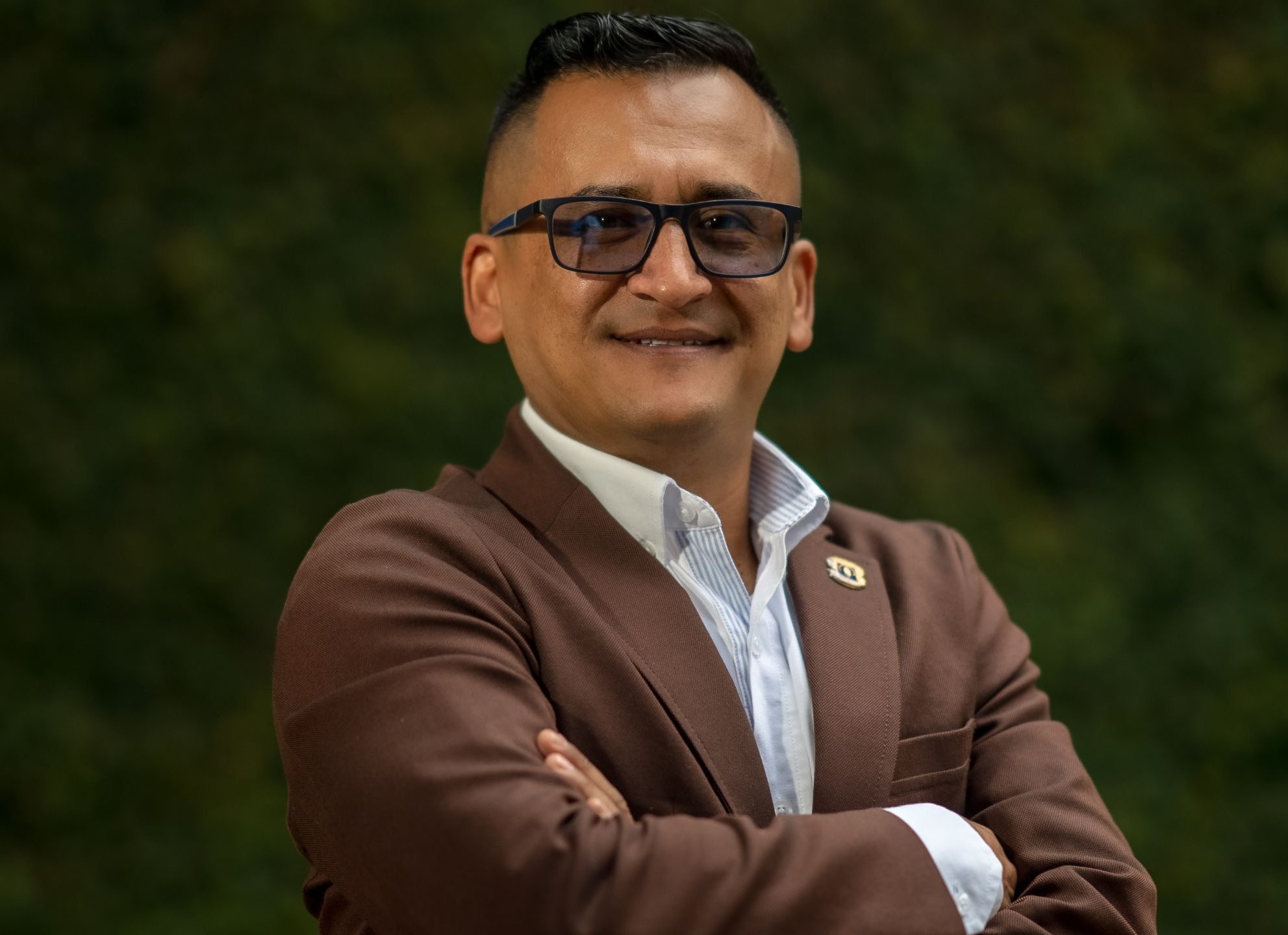
Imagen de Alexander Buendía Astudillo - Director Centro de Gestión de la Calidad y la Acreditación Institucional
Alexander Buendía Astudillo – Director, Center for Quality Management and Institutional Accreditation

The figures reflect a continuous effort. Through post-consumption collection campaigns, we delivered over four tons of waste to authorized managers. In total, 78,505 kilograms of organic fertilizer were produced, of which 62,100 kilograms came from leaf litter collected during campus garden maintenance and 8,254 kilograms originated from cafeterias, while 61,750 kilograms of solid compost were produced at the La Sultana Academic and Experimental Center from chicken manure, cattle manure, organic matter, and harvest by-products. Additionally, the Ruta Limpia program, based on a source-separation strategy reinforced with training and provision of materials, has enabled the recycling of over eight tons of reusable waste.

In 2024, as part of this same commitment, the University of Cauca participated for the sixth time in the GreenMetric Ranking, an international assessment led by the University of Indonesia that evaluates the sustainability performance of higher education institutions. The results were encouraging: we achieved high scores in waste management, energy efficiency, and sustainable mobility, placing us 907th globally, 121st in Latin America, and 42nd in Colombia.

These achievements are neither isolated nor episodic; they reflect a structural approach that links internal actions with strategic alliances. We also joined the National Carbon Neutrality Program, signed agreements with international sustainability networks for university campuses, and adopted institutional protocols to respond to climate events. In parallel, we developed technical criteria for the management of trees on campus, prioritizing conservation, safety, and dialogue with the university community as guiding principles.
In this same vein, since 2023, the Center for Quality Management and Institutional Accreditation has been conducting combined audits that integrate the evaluation of both quality and environmental management systems. This strategy, in addition to optimizing resources and strengthening the auditing team’s capacities, has enabled the dissemination of the Environmental Policy, the establishment of partnerships with institutional stakeholders, and the promotion of joint actions aimed at controlling environmental impacts, developing projects, and enhancing university environmental management.

Commitments that go beyond indicators, because yes, our actions transform lives!

Our contribution to the Sustainable Development Goals (SDGs) is not measured solely by the initiatives undertaken or technical reports produced; it is reflected in how these actions impact university life, modify daily practices, and reinforce an ethic of care. At the University of Cauca, the SDGs are not a checklist or an external agenda, they are a navigational guide that aligns our decisions with the social and ecological challenges of the present.

Regarding SDG 4, Quality Education, we contribute by incorporating the environmental dimension as a cross-cutting axis in our educational processes. In 2024, more than 300 participants took part in training sessions on Environmental Policy, waste management, climate change, and efficient resource use. These processes go beyond content delivery, they foster critical awareness, empowerment, and cultural transformation.

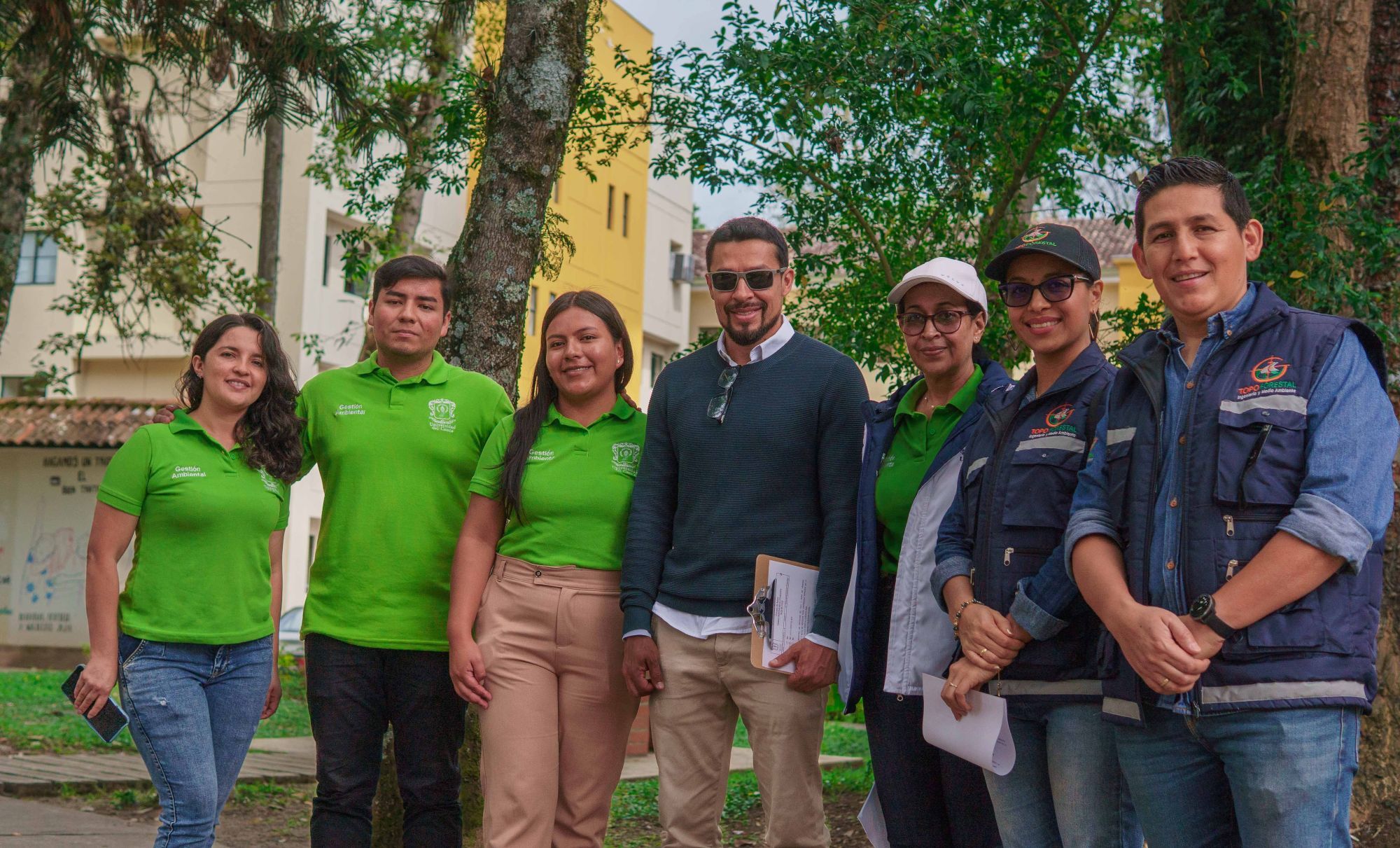
The Environmental Management team conducts socialization on forestry interventions aimed at the conservation of trees and university safety.
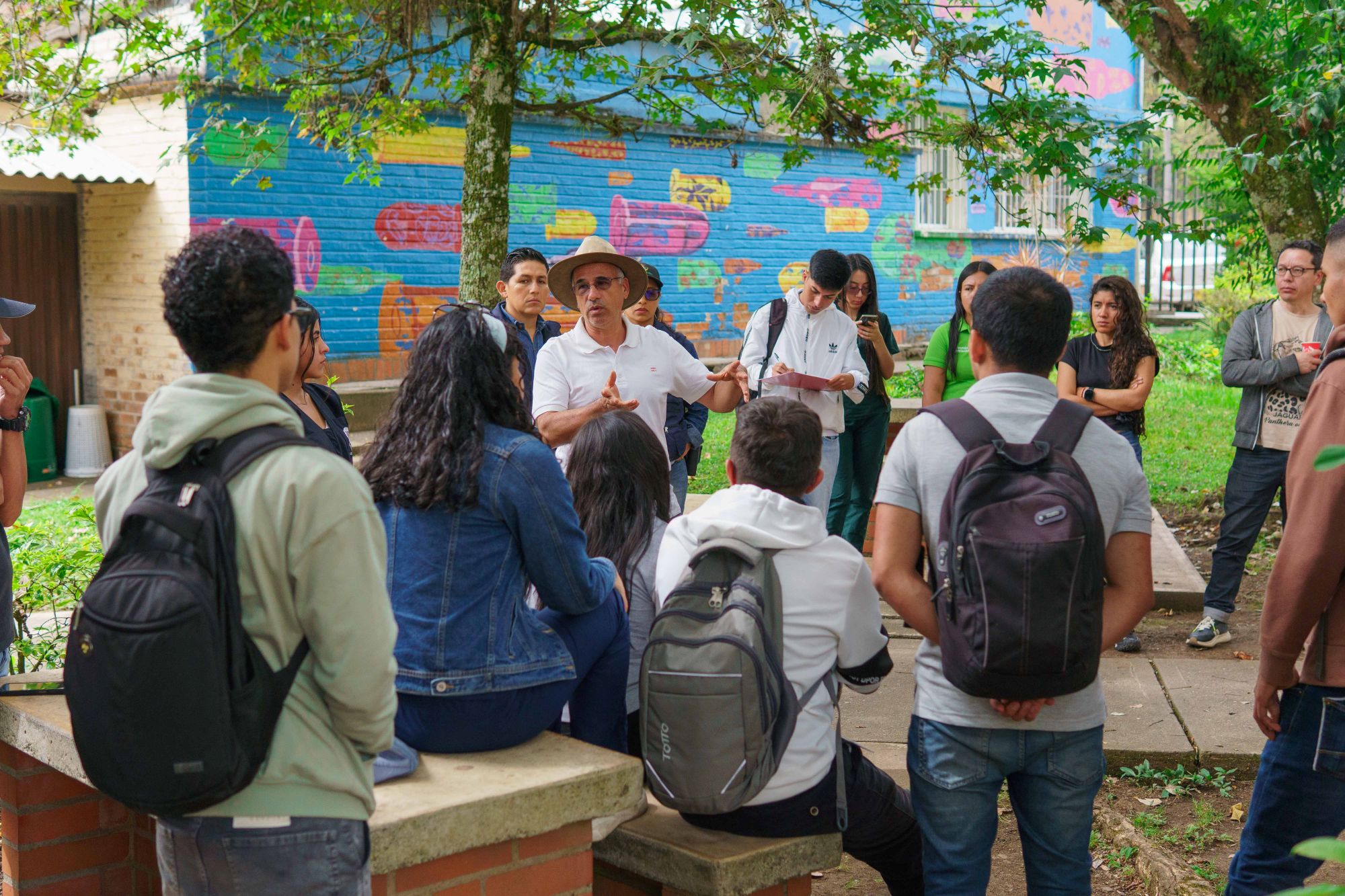
Protección de la fauna y flora de nuestros campus: ¡así avanzamos en procesos de gestión ambiental en Unicauca!
Photo: Socialization at the Faculty of Natural, Exact and Educational Sciences on the protection of fauna and flora on university campuses.

In line with SDG 12, Responsible Consumption and Production, we have strengthened our capacities for waste management, reducing environmental impact, and promoting sustainable habits. The updating of assessments, the formalization of agreements with authorized managers, and the design of software for monitoring water, energy, and waste, which is scheduled for implementation in 2025, also align our efforts with SDG 9, Industry, Innovation, and Infrastructure.

Participation in the National Carbon Neutrality Program, along with the preparation of technical reports on our carbon footprint, has allowed us to plan more effective adaptation strategies in line with SDG 13. However, one remaining challenge is the development of an institutional greenhouse gas management plan that consolidates the commitments we have made. Additionally, reforestation and the conservation of bamboo groves on campus are aligned with SDGs 15 and 11, which promote biodiversity protection and the development of more resilient cities.

Strengthening environmental governance mechanisms, through the renewal of the Environmental Management Technical Committee and the documentation of procedures for actions related to the management of the university’s arboreal component, reflects a commitment to participation and transparency, principles of SDG 16. Beyond regulatory compliance, these actions respond to an institutional ethic that recognizes that today’s decisions shape the collective well-being of tomorrow.

We do not do this merely to comply. We do it because we understand that our history calls us to action. A bicentennial university cannot remain indifferent to the challenges of its time. That is why every figure reported, every policy adopted, and every action implemented stems from a deep conviction: the responsibility of public institutions does not end with administration or academics; it extends to how we impact our environment, build community, and shape the future.

Today, looking back on the path we have traveled, we can affirm that we have the real capacity to lead sustainability processes within the university sector. We have the tools, the technical expertise, and above all, the institutional will to keep moving forward. The true challenge is to go further: to consolidate a living, transversal, and critical environmental culture, one capable of inspiring other universities, transforming our territory, and educating generations who not only understand socio-environmental challenges but are prepared to face them.

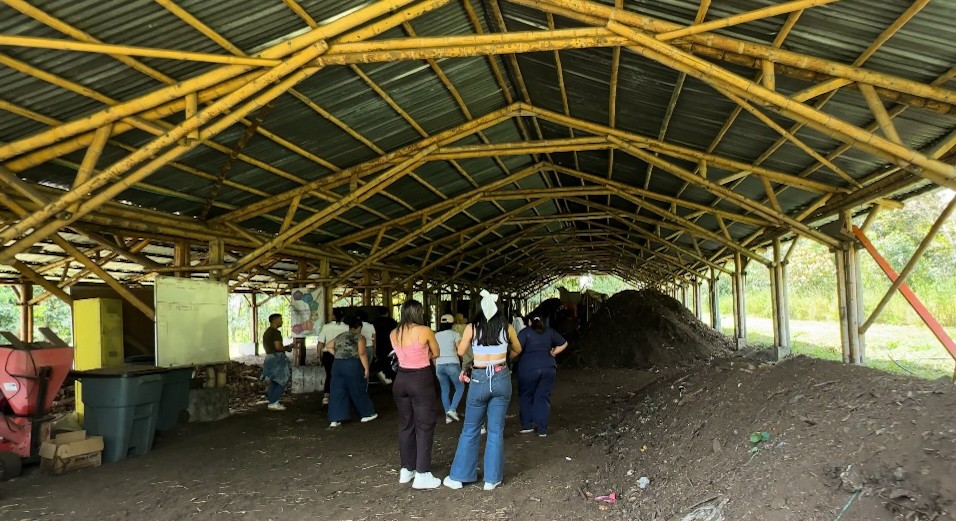
At the composting plant, located on the La Rejoya Farm, organic waste separated from cafeterias and university gardens is managed.
Written by: Alexander Buendía Astudillo – Director, Center for Quality Management and Institutional Accreditation

Institution with High Quality Accreditation for 8 years, resolution MEN 6218 of 2019 - Vigilada MinEducación

  • Aumentar letra
  • Reducir letra
  • Aumentar Espaciado
  • Disminuir Espaciado
  • Escala de Grises
  • Contraste
  • Fuente Dislexia
  • Agrandar Cursor
  • Resaltar Enlaces
  • Restablecer
  • Centro de relevo

Universidad del Cauca

NIT. 891500319-2

Dirección: Calle 5 # 4 - 70 | Popayán, Colombia

Teléfono: +57 (602) 820 9900

Línea gratuita: 018000 949020

Peticiones, Quejas, Reclamos, Sugerencias y Felicitaciones
Correo: quejasreclamos@unicauca.edu.co

Notificaciones judiciales
Correo: procesos@unicauca.edu.co

Línea anticorrupción
Correo: anticorrupcion@unicauca.edu.co

Síguenos en:

Institución con Acreditación de Alta Calidad por 8 años, resolución MEN 6218 de 2019 - Vigilada MinEducación