Unicaucan@s reflect on writings and images in History
Unicaucan@s reflect on writings and images in History
19 February, 2026
With the presence of distinguished local and national scholars, the First Colloquium of History Students of the University of Cauca was held.
“Writings and Images of History” is the motto that inspired the first edition of the Student Colloquium on History at the Alma Mater of Cauca, an activity that featured the participation of distinguished scholars in the field of the human and social sciences, among them Dr. Margarita Garrido Otoya and Magister Roger Pita Pico, who opened the event with a roundtable discussion on emotions and power in the History of Colombia: a dialogue between the colonial and republican periods.
For independent researcher Margarita Garrido, “history has begun to be renewed, but we face the great challenge of ensuring that this new history, which is plural, reaches the people, and that people begin to think about it and reflect on it. Histories that include many voices, many new territories, and that pose questions that were not asked before. This demands that we produce historical narratives in diverse formats; hence the existence of History programs such as that of Unicauca with a media-oriented approach, and a Master’s program at the Externado focused on the production of historical narratives in other formats.”
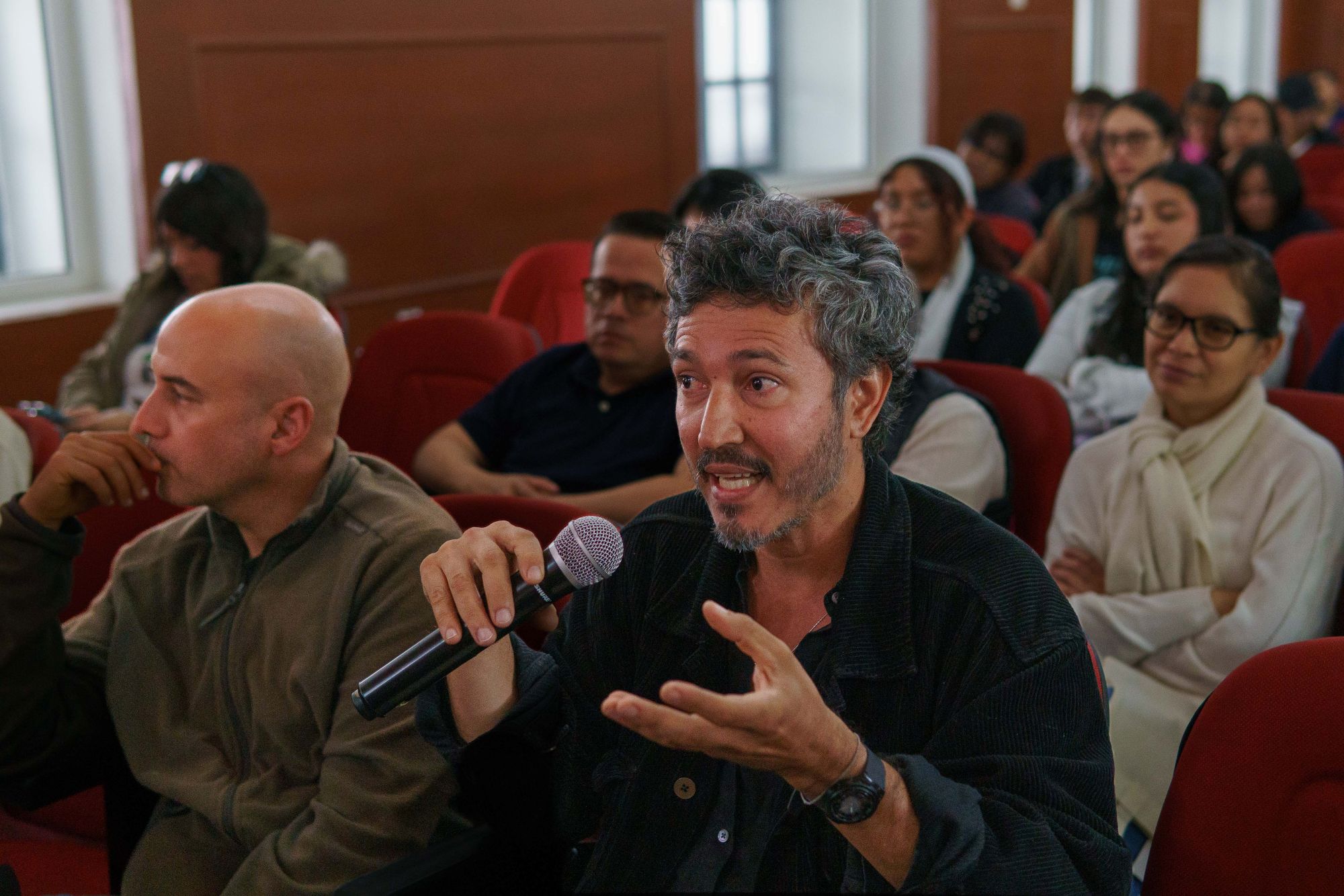
Provided Photo.
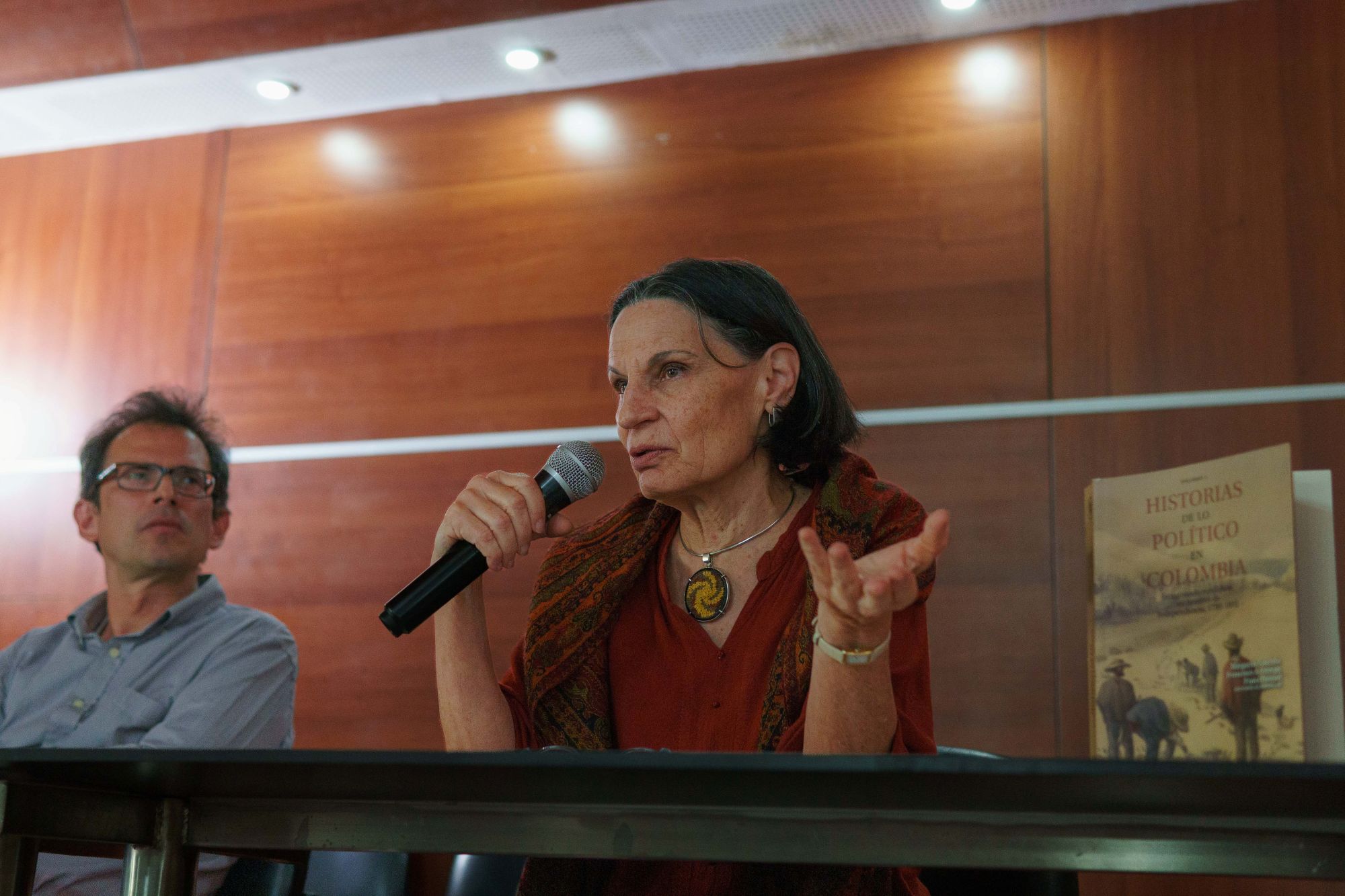
Provided Photo.
“In addition to telling stories through other narratives and in other formats,” emphasizes Garrido Otoya, “it is also about looking at history from other perspectives, one of them being emotions, as part of historical explanation. It is not only the emotions that historical events produce in us, but also the emotions that produce historical events. Emotions are part of the explanation and the understanding of history.”
Tatiana Fernanda Velásquez García, a member of the organizing committee of this History Colloquium, explains that they chose the term “colloquium” because it calls for a more intimate event. “Where we are with peers and colleagues sharing our knowledge; it is more of a gathering that highlights, above all, the research that has been carried out and is currently taking shape within the History program of our Alma Mater.”
“These events are important for organizers and students,” Velásquez García states, “as they make it possible to build relationships among different universities and across regions; academic relationships with researchers from other regions of the country, which allows us to gain insight into what is being written in history elsewhere.”
For Dr. Margarita Garrido, a colloquium such as this one, organized by young Unicauca students, inspires hope in humanity. “Humanity produces horrors, but we also owe everything to humanity, and I believe that this hope helps us see the positive. Within that are solidarity, empathy, a relationship with the environment in an intelligent, forward-looking, and responsible way, the discovery of otherness. All of this shows us that it is possible to come together to make plans for humanity, that there is a future, and that a different society can be built.”