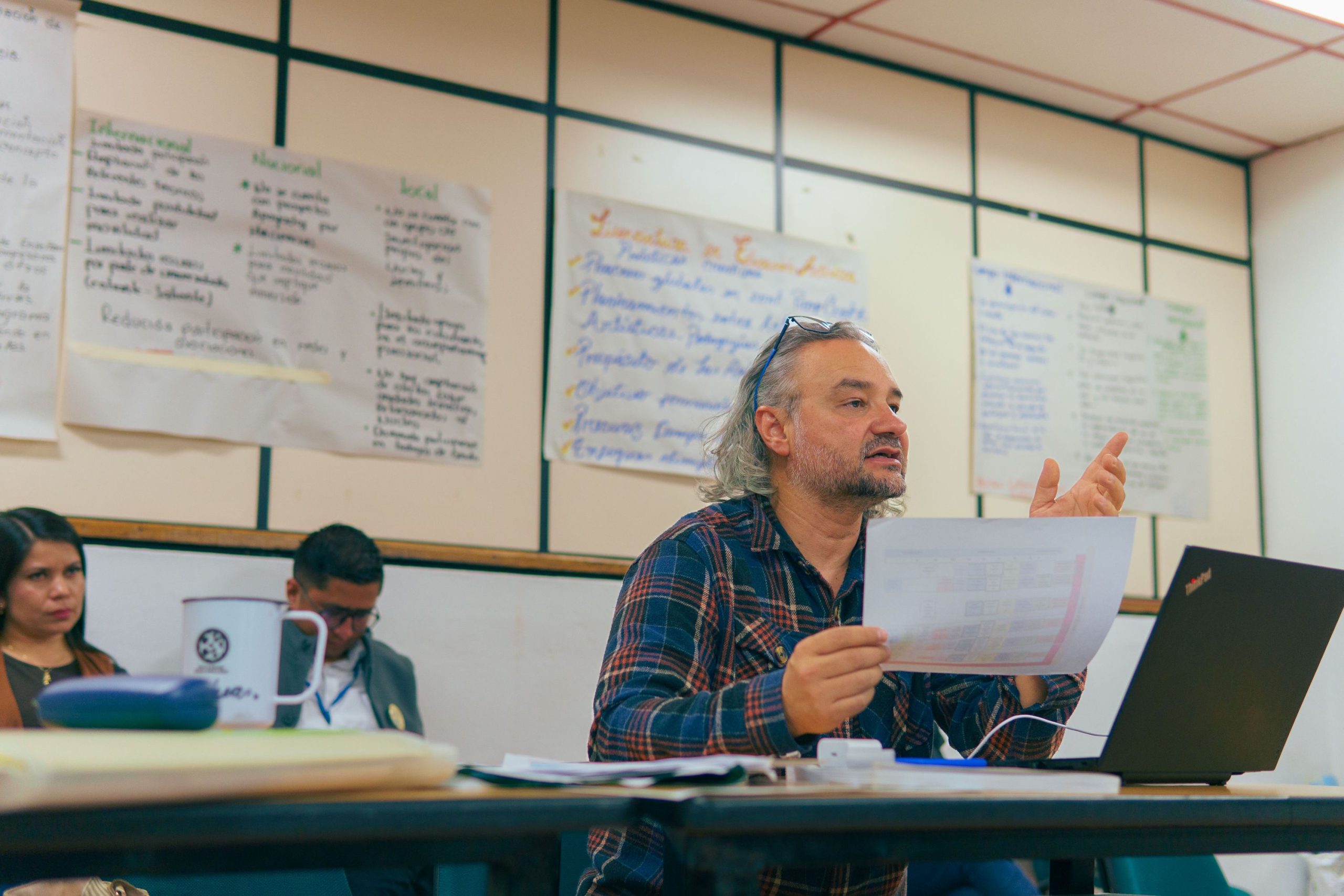









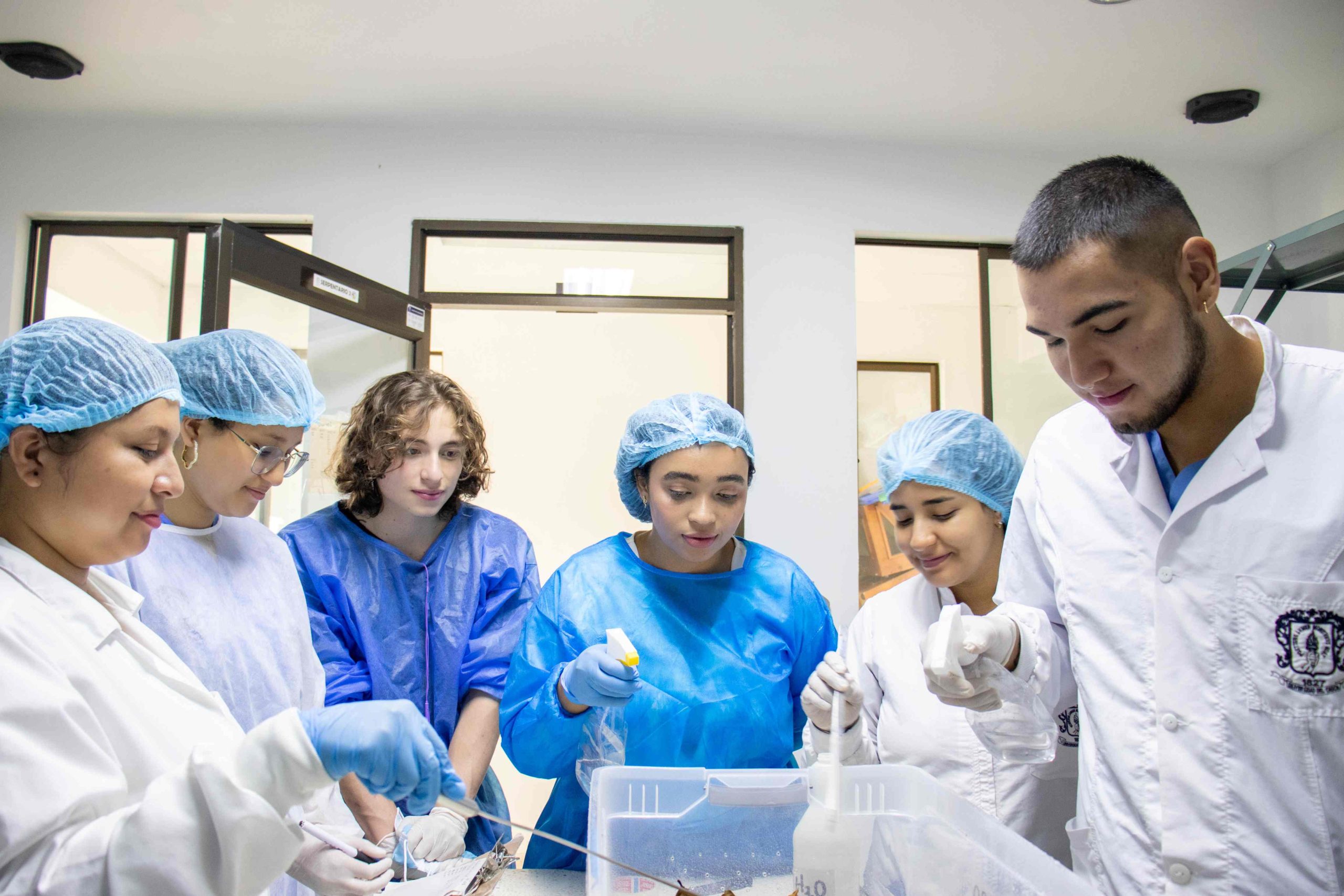
In this setting converge the Faculties of Natural, Exact and Education Sciences; Human and Social Sciences; and Arts; faculties that together house the nine teacher education programs of our institution. Their work is supported by a team of professors from the Department of Education and Pedagogy, composed of María Andrea Simonds, Harold Erazo, Carol Gutiérrez, Dolores Montaño, and Luis Bernardo Betancurth. Thanks to this coordinated effort, The Alma Mater of Cauca is advancing in the consolidation of a formative model that articulates the particularities of each field of knowledge with the educational needs of Cauca and the country, a process that is both timely and necessary.
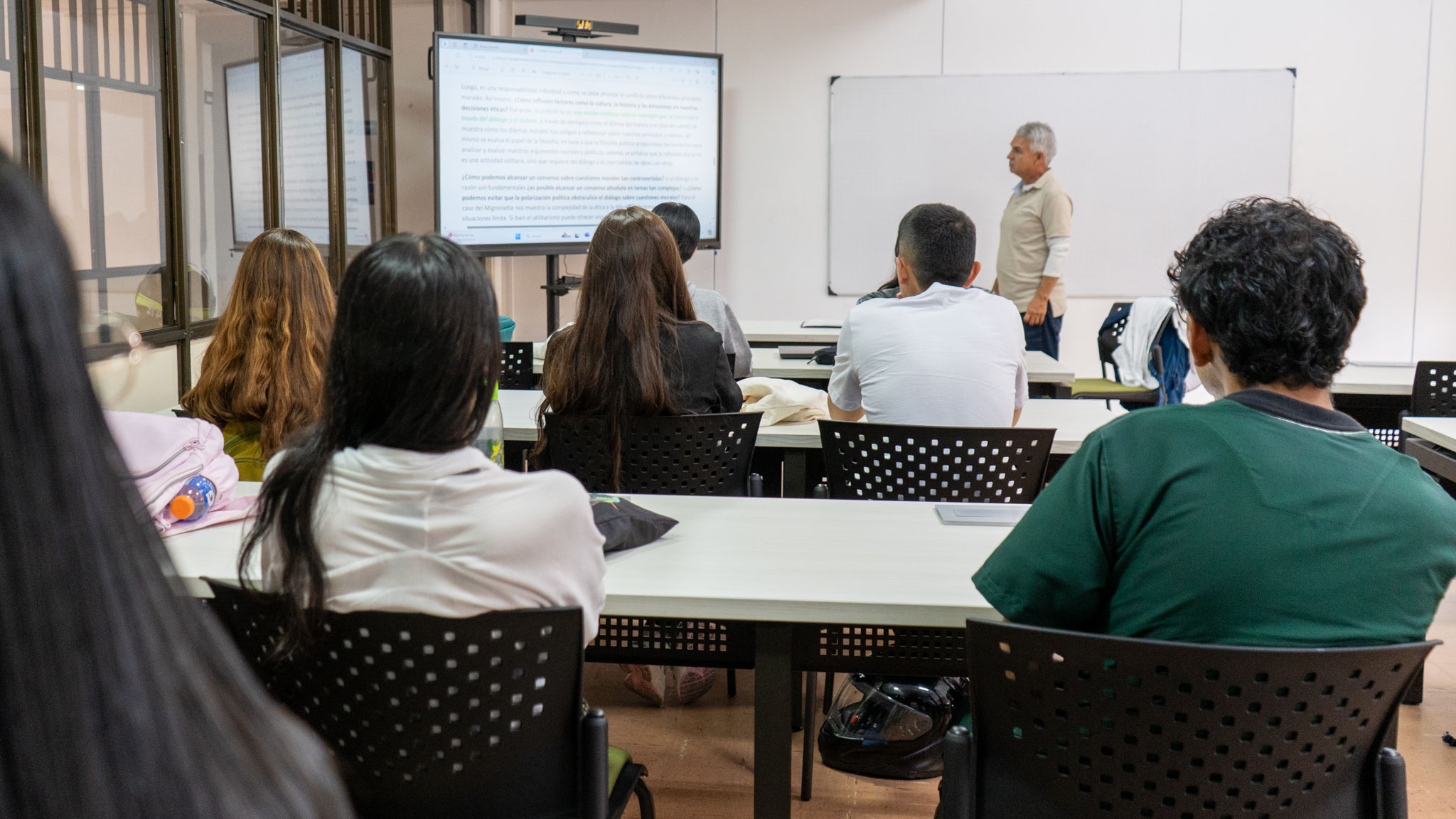
Thus, from this Unit, a collective reflection has been fostered regarding the transformations required by contemporary education. The teacher education programs, understood as spaces of critical thinking and pedagogical practice, have initiated processes of curricular review and reform in order to adapt to the demands of new generations, the labor market, and the social and cultural dynamics of the territories where their graduates carry out their professional practice. This process not only involves adjusting contents or methodologies, but also rethinking the way teaching and learning take place in diverse, plural, and constantly changing contexts.