• Increase font size
  • Decrease font size
  • Increase Spacing
  • Decrease Spacing
  • Grayscale
  • Contrast
  • Dyslexia Font
  • Reset
  • Relay Center

Encuentra lo que necesitas en segundos. Explora, descubre y obtén respuestas rápidas. ¡Comienza tu búsqueda ahora!

Heritage as a mirror of knowledge and collective intelligence; a deep and collect...

Heritage as a mirror of knowledge and collective intelligence; a deep and collective reflection

Imagen de ícono calendario
9 April, 2026
Last Friday, October 17, 2025, the historic center of Popayán, one of the most important viceregal treasures in the country, once again made the news. But this time not because of its architecture or traditions, but due to events that should not have occurred and that, perhaps, could have been avoided through dialogue. In the afternoon, a group of young people intervened with graffiti on the walls of the Santo Domingo church, in the heart of the historic district. The markings, referring to the conflict between Israel and Palestine, were presented as a gesture of international solidarity. However, the incident reveals a deeper and more concerning phenomenon: the political instrumentalization of cultural heritage.

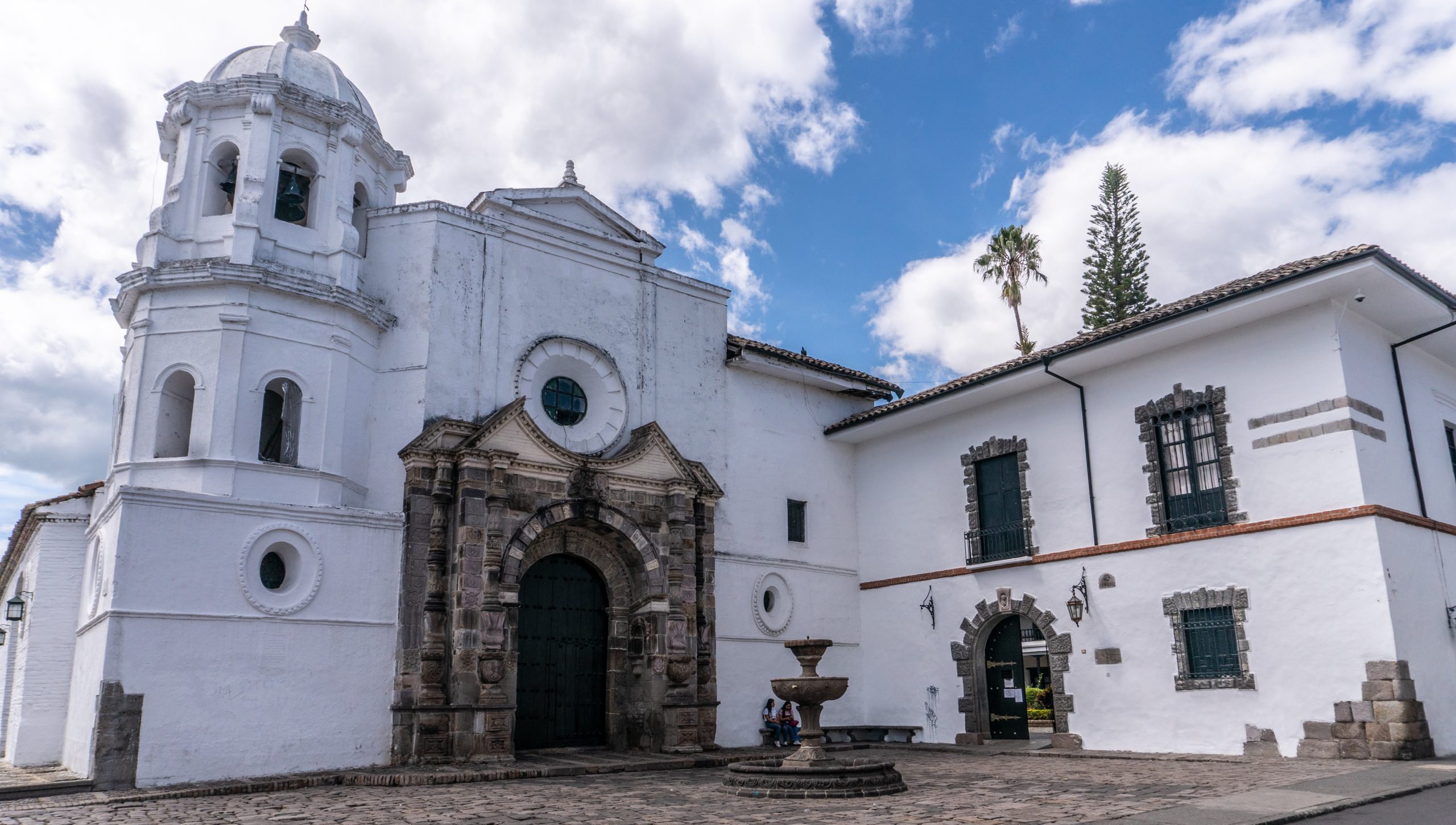
The Santo Domingo church and cloister is not just any building. It is a Cultural Heritage Asset of national significance (BIC), protected by the General Law of Culture (Law 397 of 1997) and by Decree 763 of 2009, which regulates the conservation and intervention of assets that are part of the country’s architectural heritage. It represents a material testimony of the urban and constructive history of Popayán, the result of traditional techniques and restorations carried out after the 1983 earthquake. Each element, from its stone-carved portal to its traditional construction systems, constitutes a physical document that reflects the knowledge accumulated over centuries.

These buildings are material testimonies of the country’s construction history, condensing centuries of memory, devotion, and artisanal technique. After the 1983 earthquake, Santo Domingo was restored stone by stone. Each element of its baroque portal was carefully reintegrated by teams of architects, engineers, and local stonemasons. That effort not only restored the temple’s form, but also reaffirmed its symbolic value as an expression of cultural resilience: the will of a community that, by rebuilding its walls, also rebuilds its history.

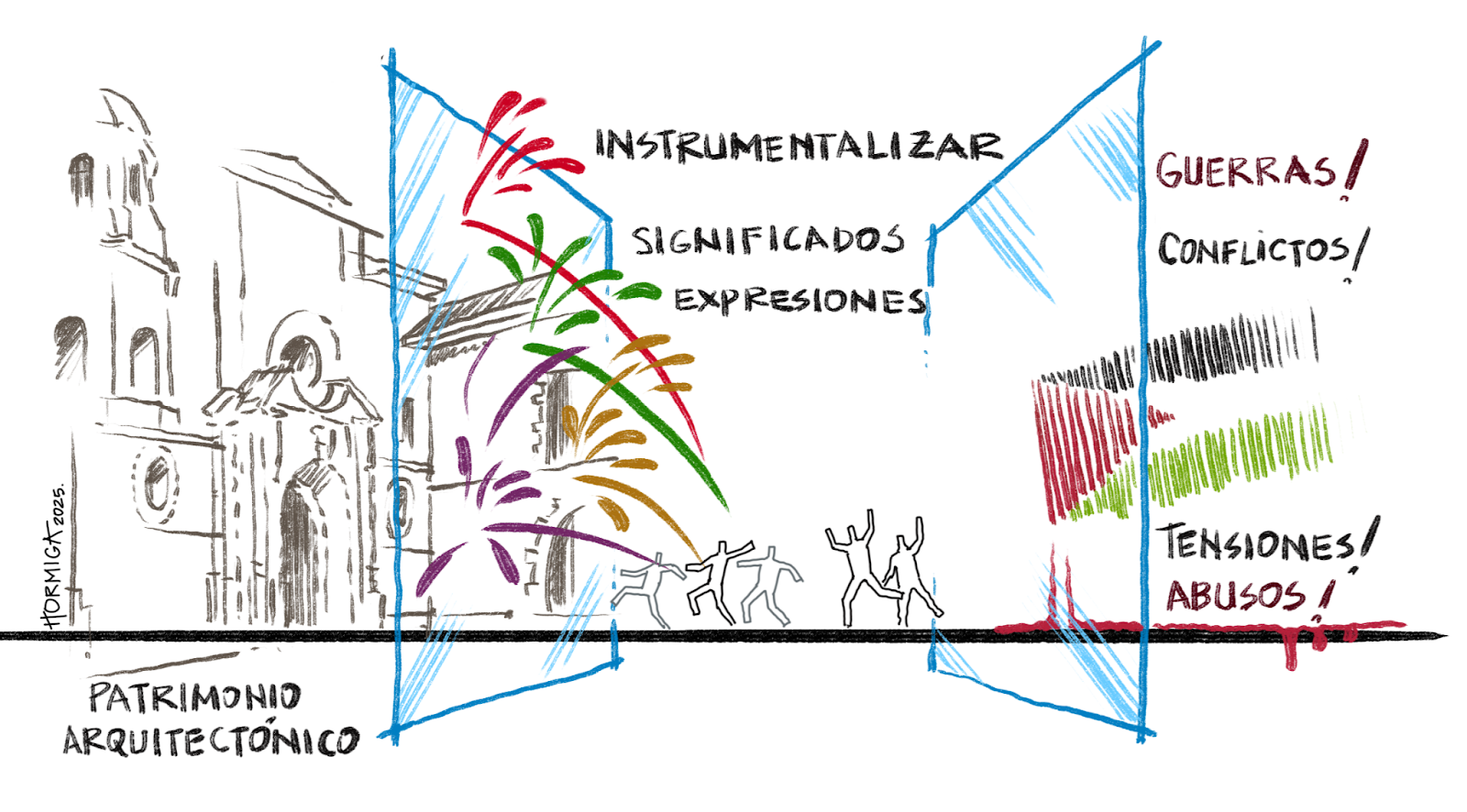
Imagen ilustración Fachada de Santo domingo
Illustration: Carlos Alberto Gómez Fernández
Imagen Fachada Claustro de Santo Domingo
Photograph: Communications Management Center

For this reason, covering them with paint does not constitute an act of artistic expression, but rather an alteration of the material surface that preserves collective memory. These surfaces, built with sensitive techniques and materials, are not intended to receive this type of intervention. Modern paint does not dialogue with ancient material: it invades it, affects its integrity, and distorts its historical reading. What is presented as a symbolic expression ultimately denies the historical, constructive, and cultural values that heritage represents.

But the damage is not only physical. Architectural heritage has never been neutral: it concentrates meanings, emotions, and tensions. However, when it becomes a stage for expressing ideologies unrelated to its context, it is instrumentalized. The message in support of Palestine, as legitimate as it may be in humanitarian terms, has no connection with the history or meaning of Santo Domingo. This temple does not represent an ideology or a position regarding international conflicts; it represents the cultural history of Popayán, the work of generations, and the memory of a territory. In doing so, the history that the site represents is distorted, replaced by a momentary expression unrelated to its original meaning.

This type of act is related to what some theorists call dissonant heritage: cultural assets that generate conflict due to their contested meanings. However, in this case, the dissonance does not arise from the monument itself, but from the ideological projection imposed upon it. What is expressed is not a dialogue with history, but a symbolic appropriation that turns heritage and public space into arenas of confrontation. Walls covered with slogans and paint, and citizens attacked for trying to protect the temple, are evidence of this tension between memory and politics.

The contemporary emphasis on the intangible values of heritage has enriched its cultural understanding; however, materiality remains the foundation that makes its permanence and transmission possible. Conservation is not an act of nostalgia, but a way of ensuring the continuity of knowledge. An ancient wall is not merely a physical boundary, but a document that contains technical knowledge, proportions, pigments, and traces of craftsmanship and time. Damaging it is equivalent to tearing out an irreplaceable page of history.

Material preserves the imprint of the past, and protecting it is a way of keeping alive the possibility of understanding ourselves. Therefore, damage to historical assets is not merely aesthetic, it represents cognitive, scientific, and cultural losses.

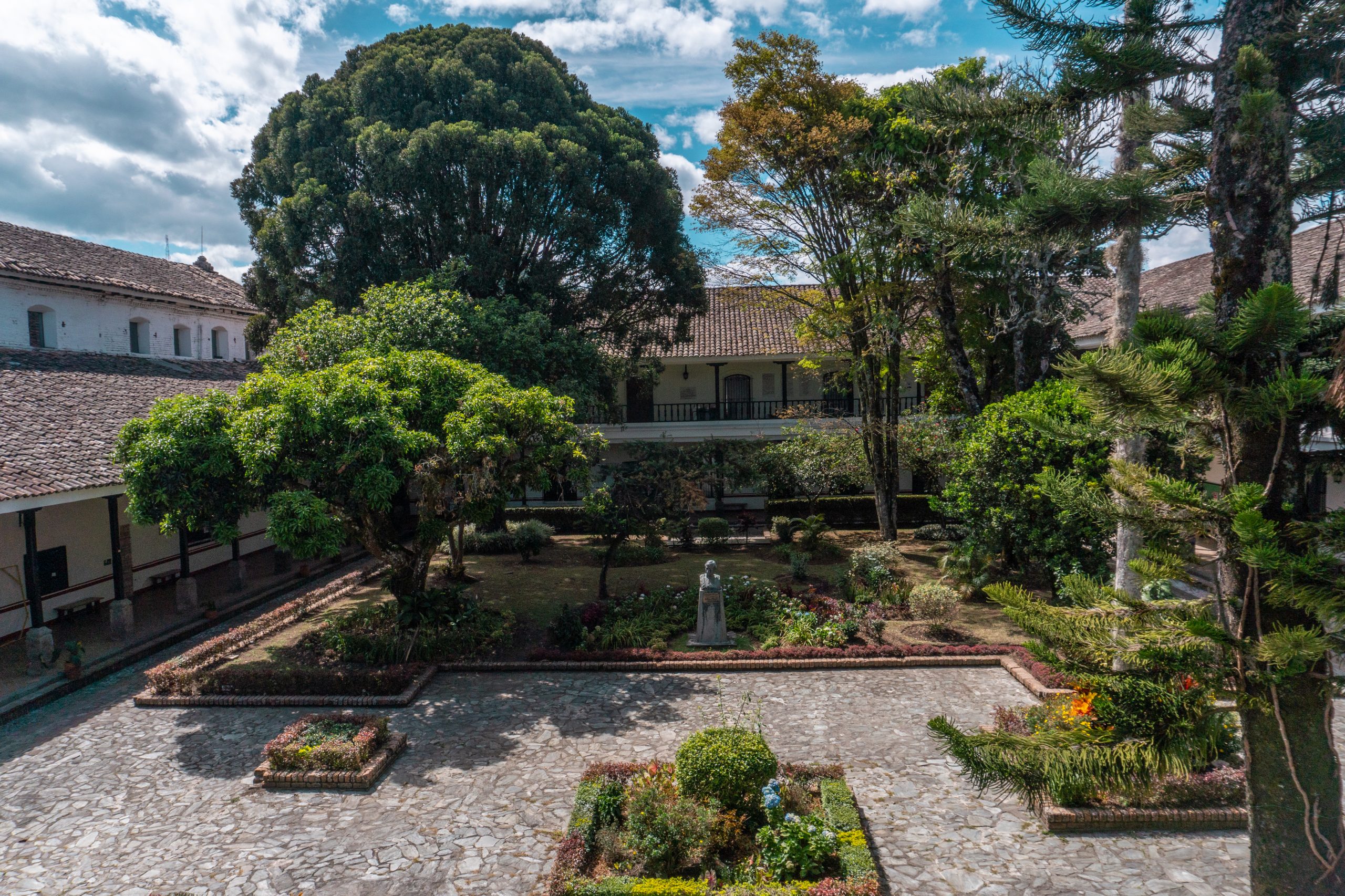
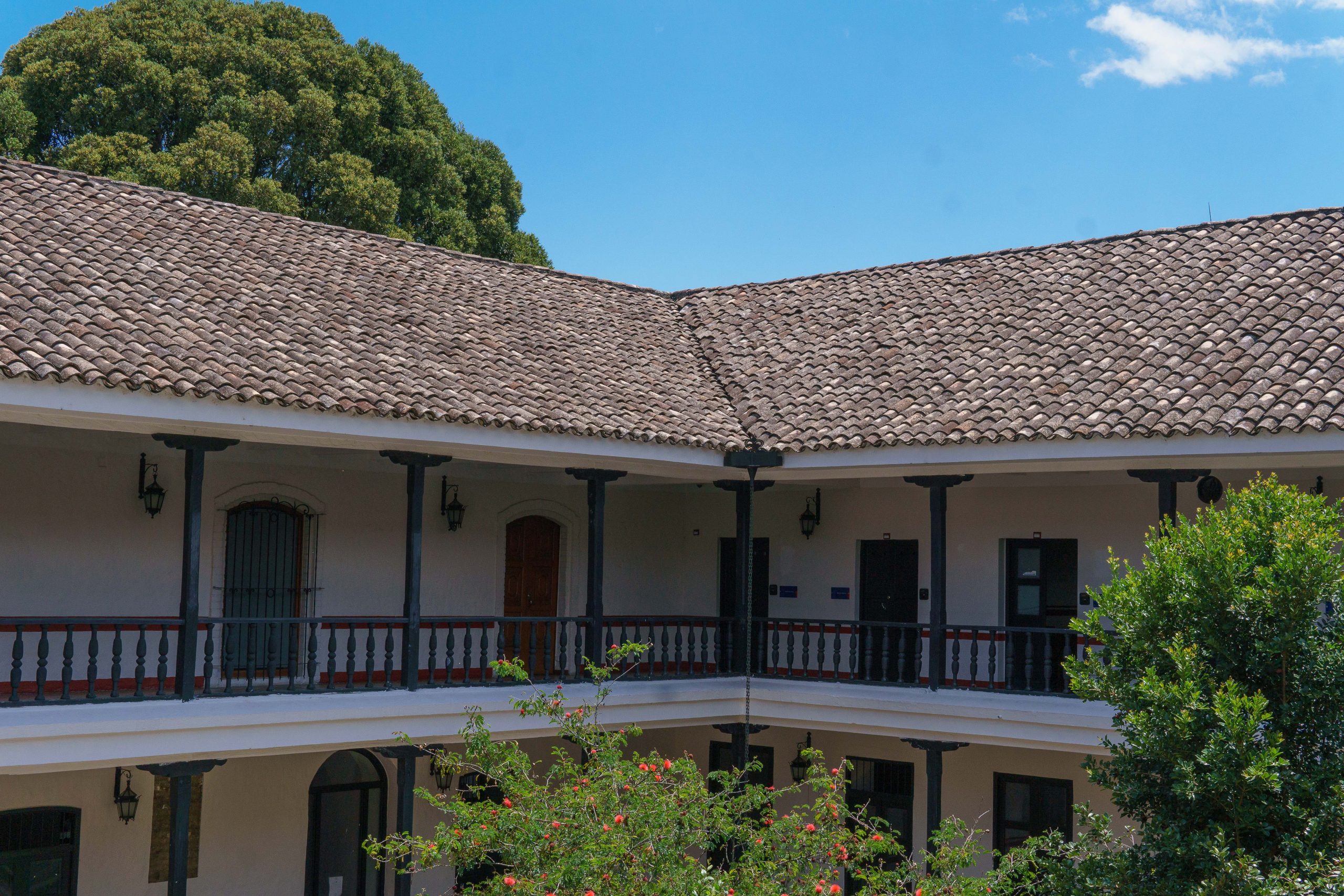
Photograph: Communications Management Center
Imagen interior Claustro de Santo Domingo
Photograph: Communications Management Center

The indignation generated by these acts is understandable and should not be confused with censorship. This is not about art or critical expression, but about the instrumentalization of young people who, under global slogans, end up attacking their own heritage. The challenge is not to justify anger, but to understand how misinformation and ideological manipulation turn public space into a stage for confrontation.

Historic centers are living documents that condense the history and identity of communities. Turning them into surfaces for decontextualized protest does not raise awareness, it erases it. If young people do not recognize themselves in their surroundings, it is because the connection between education, memory, and urban space has weakened.

Popayán therefore faces a dual task: to sanction material damage and to rebuild civic awareness. The city that once rose from the earthquake can do so again, but this time through intelligence and collective responsibility.

The walls of Santo Domingo have been cleaned once more, but the true restoration will be that of awareness. Heritage is not an obstacle to change nor a symbol of power; it is a mirror through which we can look at our history, with its lights and shadows, and learn from it. Defending it is not only a conservative act, but an exercise in cultural responsibility.

Only by understanding the past can we build a future capable of engaging with it, without denying or destroying it.

Written by: María Isabel Turbay Varona

Institution with High Quality Accreditation for 8 years, resolution MEN 6218 of 2019 - Vigilada MinEducación

  • Aumentar letra
  • Reducir letra
  • Aumentar Espaciado
  • Disminuir Espaciado
  • Escala de Grises
  • Contraste
  • Fuente Dislexia
  • Agrandar Cursor
  • Resaltar Enlaces
  • Restablecer
  • Centro de relevo

Universidad del Cauca

NIT. 891500319-2

Address: Calle 5 # 4 - 70 | Popayan, Colombia

Telephone: +57 (602) 820 9900

Toll-free: 018000 949020

Requests, Complaints, Claims, Suggestions and Congratulations
Email: ventasreclamos@unicauca.edu.co

Judicial notifications
Email:processes@unicauca.edu.co

Follow us on:

Institution with High Quality Accreditation for 8 years, resolution MEN 6218 of 2019 - Vigilada MinEducación