• Increase font size
  • Decrease font size
  • Increase Spacing
  • Decrease Spacing
  • Grayscale
  • Contrast
  • Dyslexia Font
  • Reset
  • Relay Center

Encuentra lo que necesitas en segundos. Explora, descubre y obtén respuestas rápidas. ¡Comienza tu búsqueda ahora!

Architecture in action: TiiA 2026 revolutionizes innovation, student integration,...

Architecture in action: TiiA 2026 revolutionizes innovation, student integration, and the critical use of AI

Imagen de ícono calendario
22 April, 2026
The Architecture Program of the Faculty of Civil Engineering at the University of Cauca carried out the Integration, Identity, and Architecture Workshop (TiiA) 2026, an academic event that brought together students from all semesters in a collaborative design exercise. Over two intensive days, the aim was to strengthen integration among different levels of training and foster a collaborative working environment around architectural design.

The TiiA is a vertical workshop characterized by forming mixed teams of students, thus enabling the exchange of knowledge between those with more experience and those in the early stages of their training. In this edition, the challenge was to design versatile and low-cost furniture for the niches located in the hallway between classrooms 302 and 305, with the aim of re-signifying underused spaces and offering functional solutions that respond to the needs of the student community.

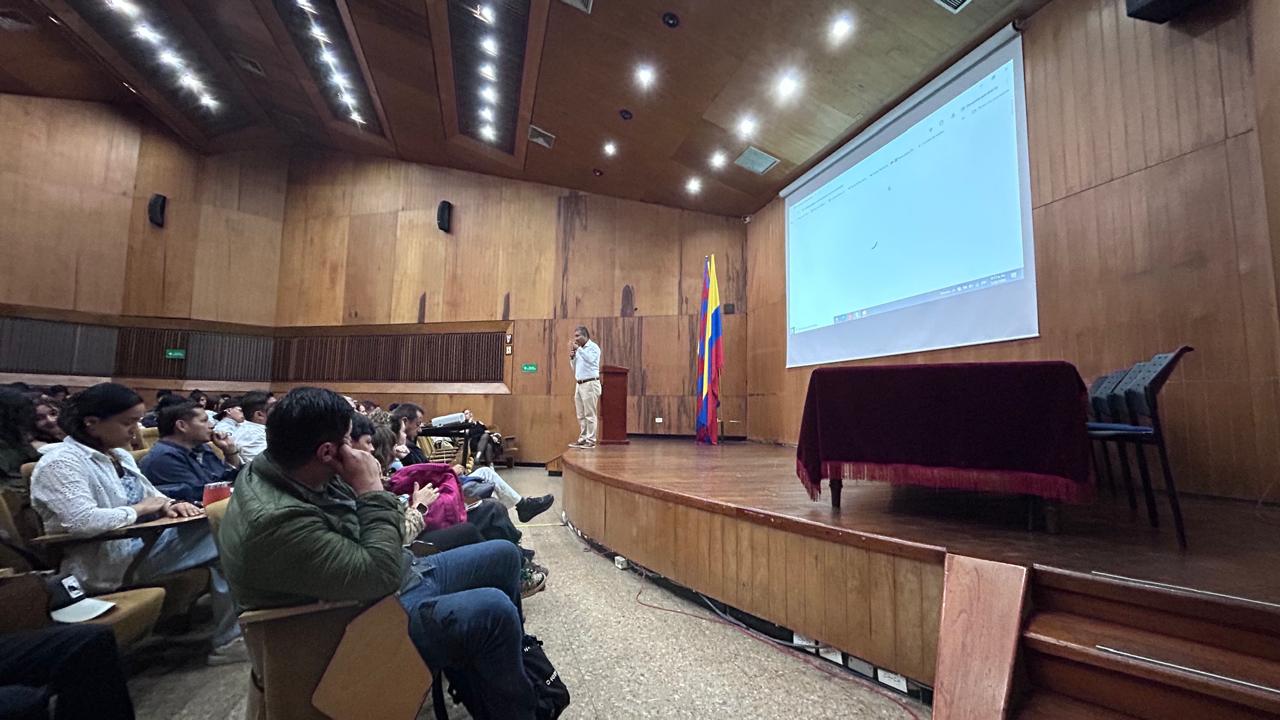
In a comprehensive manner, the workshop incorporated artificial intelligence tools to support the design process, promoting their use in the exploration, representation, and communication of ideas. It also opened a space for critical reflection on their role in architecture. Professor Carlos Alberto Gómez highlighted that, “At the beginning of the TiiA Workshop, the lecture ‘Designing with judgment in times of artificial intelligence,’ led by Professor Luis Santanilla, was held. In this session, it was emphasized that the use of artificial intelligence tools serves as support for the creative and design process in architecture, but at no point replaces the designer’s judgment. In this sense, judgment is the result of the maturity that the student acquires throughout their educational process; thus, although tools evolve, it is the professional who makes decisions in the multiple scenarios where architecture and urbanism are applied.”

Imagen Profesor Evento Arquitectura en acción
Provided Photo.
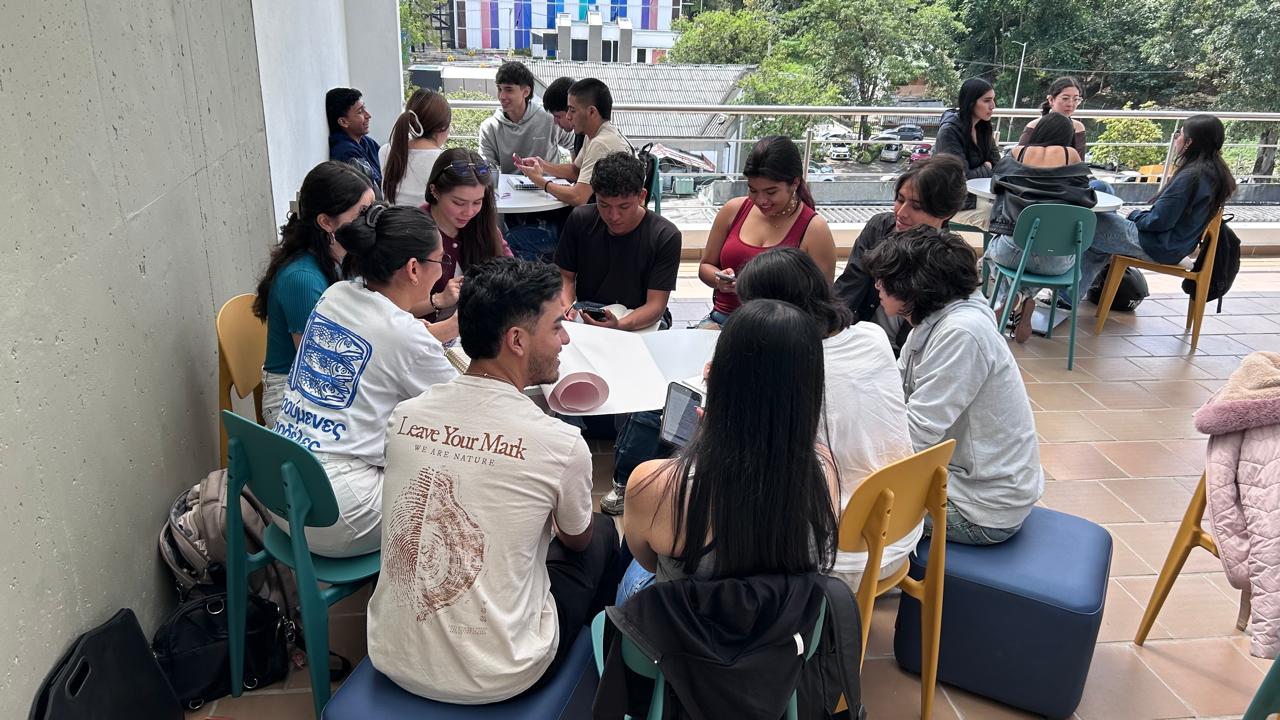
Imagen Estudiantes Arquitectura en Acción
Provided Photo.

For her part, Professor Stefanía Arango Cuartas highlighted that, “In this exercise, collaborative work allowed students in the final semesters to take on a leadership role, guiding their peers and strengthening integration by discovering new skills within the architectural process. In addition, artificial intelligence was incorporated as a support tool for the visualization of proposals, without at any moment replacing creativity, but rather enhancing ideas built through manual exploration.”

Similarly, Karen Tatiana Forero Osorio, student representative of the Architecture Program, stated, “Working with students from different semesters allowed me to value the freer and more intuitive ideas of those in the early stages, where they can complement the more technical perspective that one develops in the later semesters. In the adaptable furniture project, those more spontaneous proposals became a very strong foundation that we were then able to strengthen with geometric and constructive criteria. On the other hand, artificial intelligence was key in the representation phase, as it made it possible to speed up the production of graphics and improve the clarity and organization of the infographic report in less time.”

In conclusion, the Integration, Identity, and Architecture Workshop (TiiA) is consolidated as a pedagogical strategy that strengthens the identity of the program and reaffirms the commitment of the University of Cauca to comprehensive, critical, and relevant education; a space where collaborative learning, creativity, and technological innovation come together to address the contemporary challenges of professional practice, in coherence with the institutional purpose of contributing to the construction of a more supportive, equitable society with academic excellence. May these distinctive learning spaces continue to be explored and fostered!

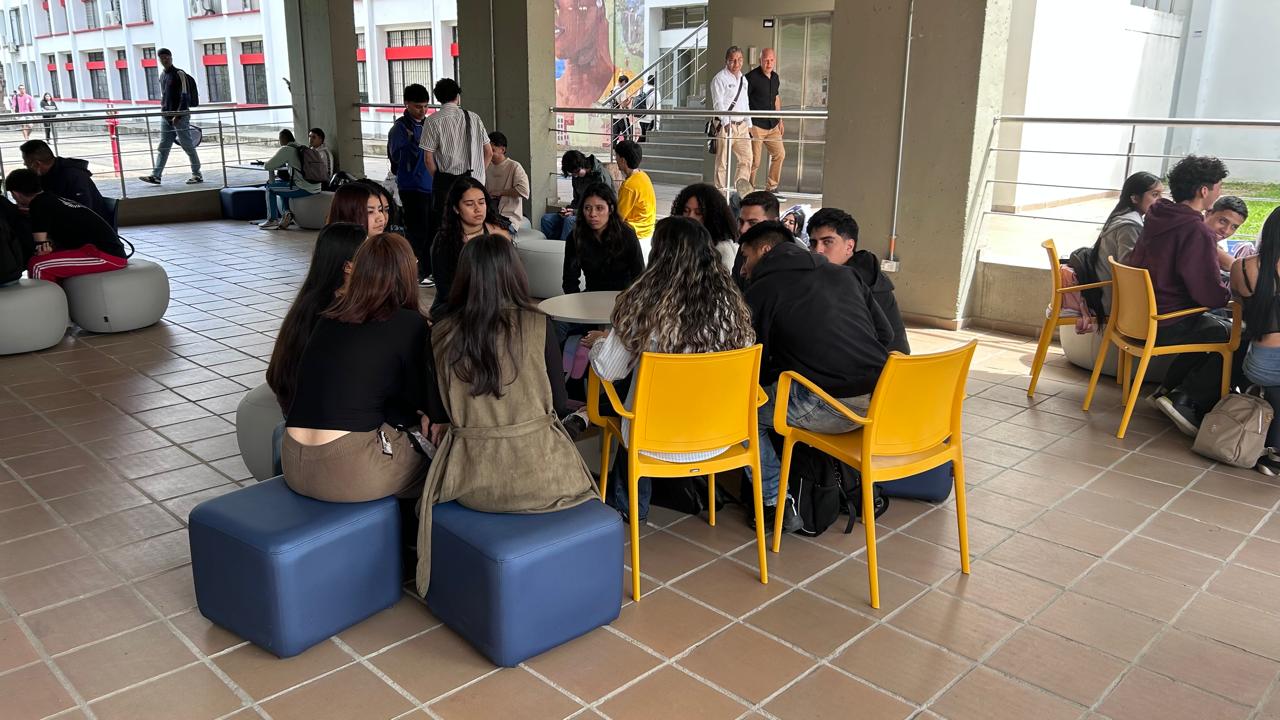
Imagen Estudiantes Arquitectura en acción
Provided Photo.
Written by: Communications Management Center

Institution with High Quality Accreditation for 8 years, resolution MEN 6218 of 2019 - Vigilada MinEducación

  • Aumentar letra
  • Reducir letra
  • Aumentar Espaciado
  • Disminuir Espaciado
  • Escala de Grises
  • Contraste
  • Fuente Dislexia
  • Agrandar Cursor
  • Resaltar Enlaces
  • Restablecer
  • Centro de relevo

Universidad del Cauca

NIT. 891500319-2

Address: Calle 5 # 4 - 70 | Popayan, Colombia

Telephone: +57 (602) 820 9900

Toll-free: 018000 949020

Requests, Complaints, Claims, Suggestions and Congratulations
Email: ventasreclamos@unicauca.edu.co

Judicial notifications
Email:processes@unicauca.edu.co

Follow us on:

Institution with High Quality Accreditation for 8 years, resolution MEN 6218 of 2019 - Vigilada MinEducación