• Aumentar letra
  • Reducir letra
  • Aumentar Espaciado
  • Disminuir Espaciado
  • Escala de Grises
  • Contraste
  • Fuente Dislexia
  • Restablecer
  • Centro de relevo
CDT Vial and 3D Printing, two key research projects for regional development

CDT Vial and 3D Printing, two key research projects for regional development

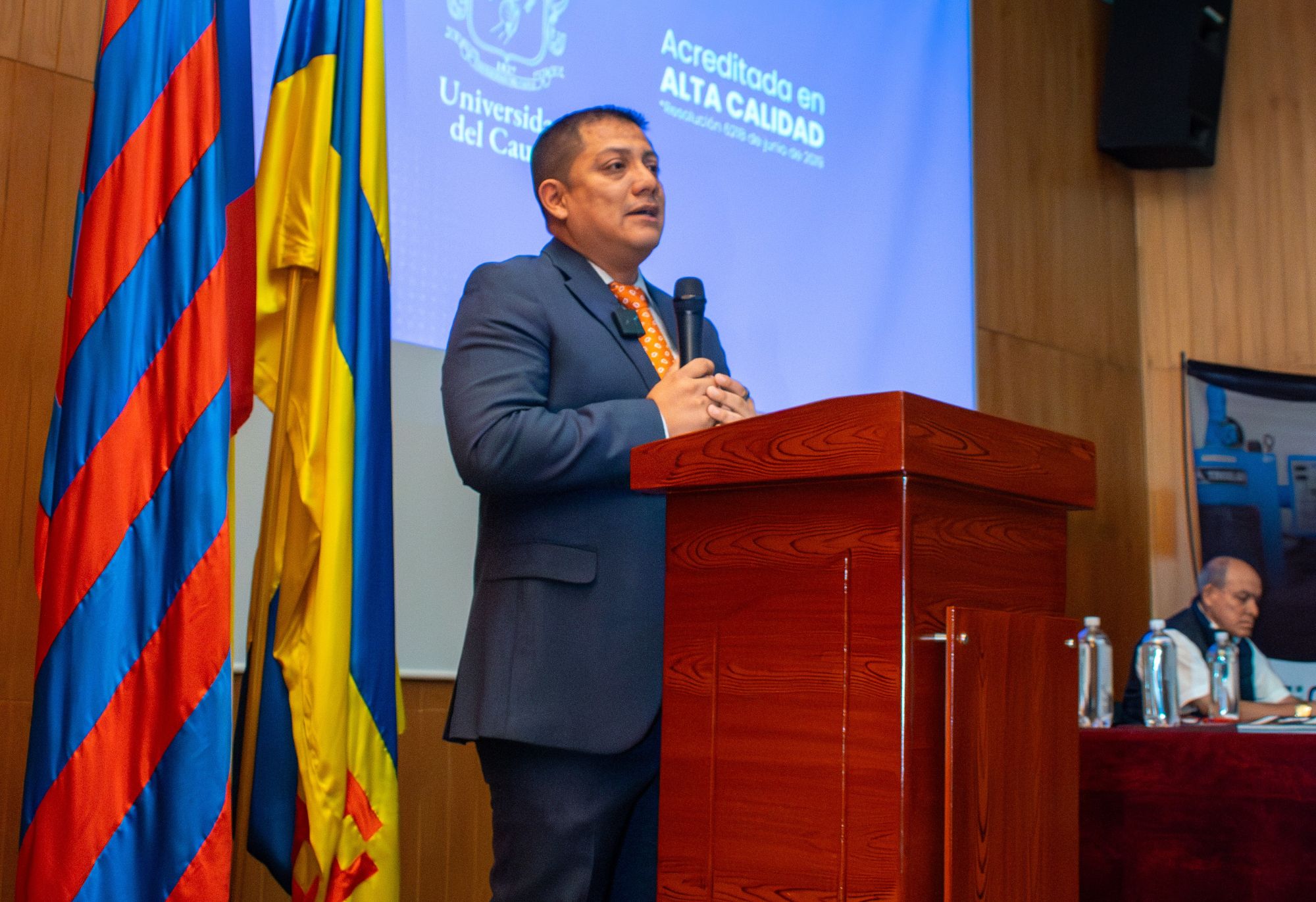
Last Friday, March 21, at the Francisco Lemos Arboleda Auditorium of the Faculty of Electronic Engineering and Telecommunications at the University of Cauca, two key research projects for regional development were presented.

The event was led by Professor Jaime Rafael Obando Ante, Director of the projects, who, together with his work team, presented the progress, objectives, and impact of each initiative. The presentation included the participation of representatives from the Mayor’s Offices of the beneficiary municipalities, presidents of community action boards, master builders, and key members of the community, who have actively contributed during the research phase. In addition, students, faculty members, business representatives, and community leaders were in attendance, with the notable presence of Engineer Nelson Rivas, Acting Dean of the Faculty of Civil Engineering.

In this way, the progress of the following projects was presented:

  • Technological Development Center for Innovation in Road Infrastructure in the Department of Cauca (BPIN 2018000100167).
  • Development of a 3D Printing System Using Sustainable Non-Conventional Materials for Rural Infrastructure (BPIN 2020000100625).
Imagen de Socialización en Unicauca de dos proyectos de Investigación2
Provided Photo.
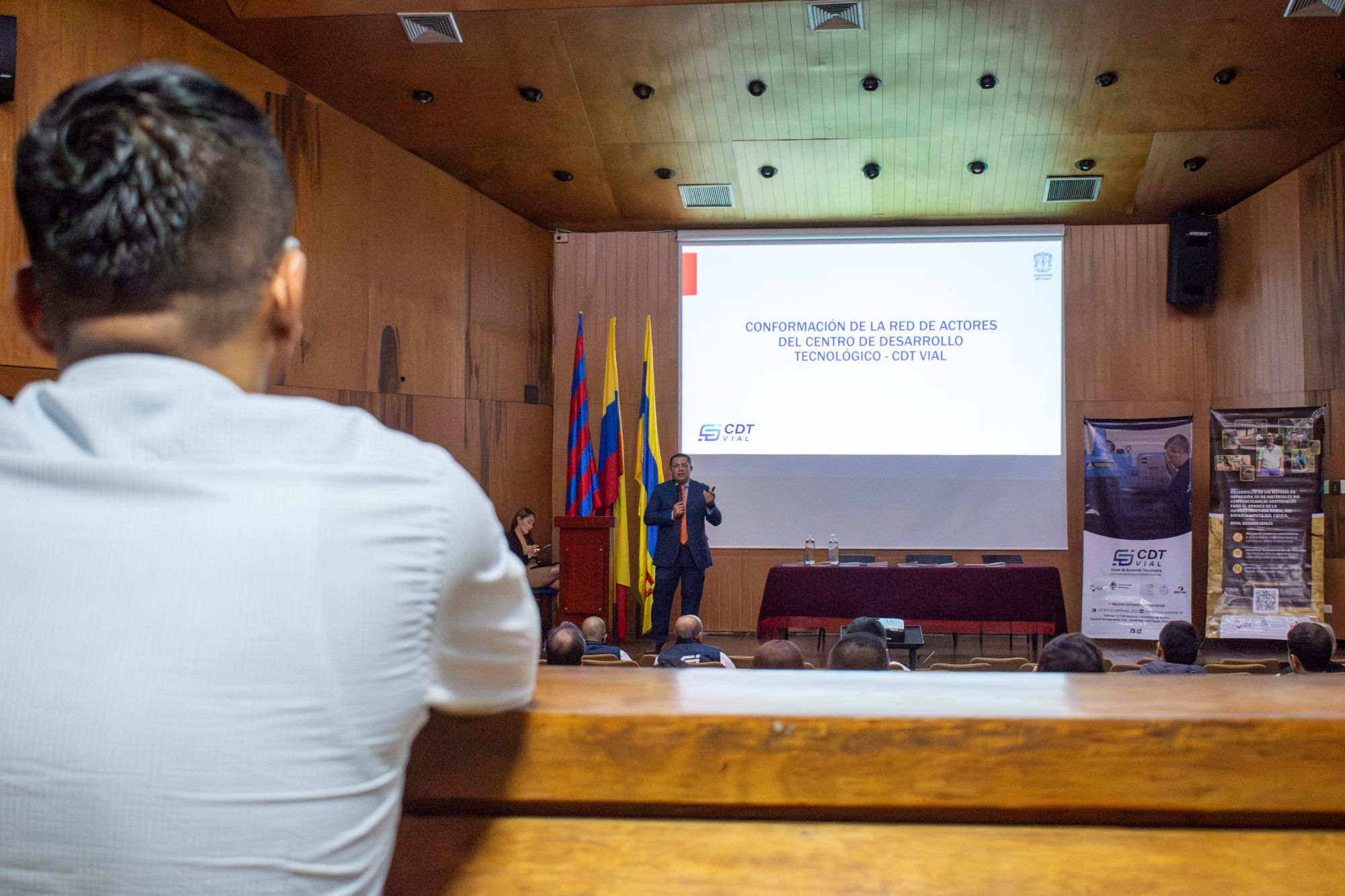
Imagen de asistentes a la socialización de los proyectos CDT Vial e Impresión 3D en la FIET
Provided Photo.

CDT Vial Project

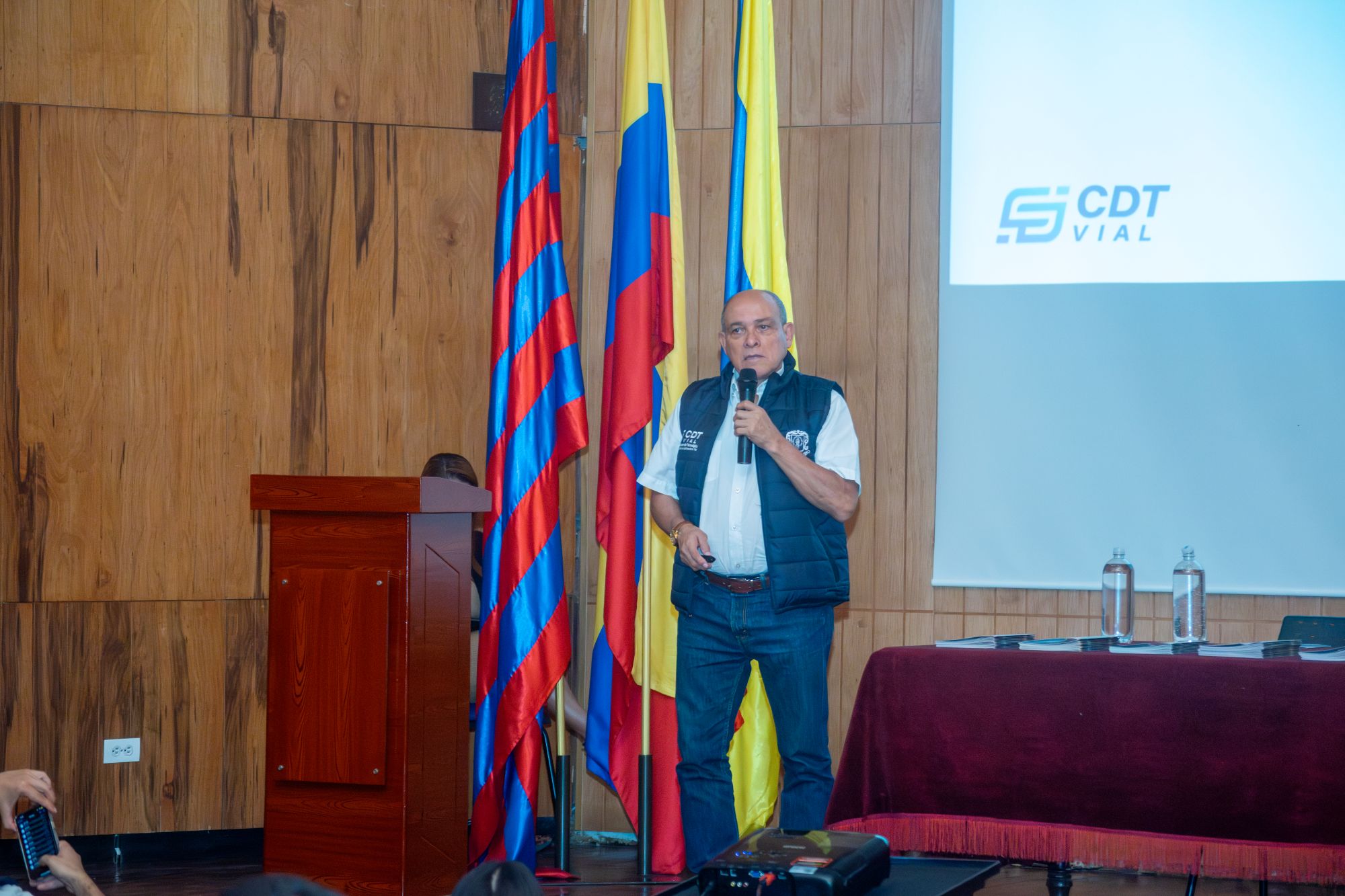
During the session, the progress of the Center for Technological Development for Innovation in Road Infrastructure in the Department of Cauca (CDT Vial) was presented, highlighting innovative technological solutions aimed at improving the resistance and sustainability of rural roads.

Three technological alternatives currently under evaluation were showcased along a 1 km pilot stretch between the La Tetilla and La Meseta road:

  • Geocells: structural reinforcement using geosynthetics.

  • Ecomaterials: use of demolition waste for sustainable paving.

  • Recycled rubber: incorporation of rubber granules in surface treatments.

These field trials seek to implement viable, sustainable, and efficient solutions for rural mobility in Cauca.

Engineer Aldemar González presented the CDT Vial Project Actors Network, underscoring its importance as a collaborative space to strengthen the implementation of these technologies in the region. Finally, a question-and-answer session was held, during which representatives from beneficiary municipalities expressed their interest in replicating these alternatives in their territories.

To learn more about this project, visit bento.me/cdtvialunicauca, where you will find access to social media channels and additional relevant information.

3D Printing Project

In the second part of the event, the findings of the project “Development of a 3D Printing System Using Sustainable Non-Conventional Materials for Rural Infrastructure” (BPIN: 2020000100625) were shared. This initiative aims to strengthen and restore traditional construction systems through innovative technologies. By using adobe, bahareque, and rammed earth, the project promotes sustainable construction that respects ancestral knowledge and makes use of local resources.

The research results were presented based on the work carried out in the six target municipalities: Sotará, Timbío, La Sierra, Páez, Bolívar, and Caldono. In each of them, 16 dwellings were inspected, assessing their structural condition, materials, and construction techniques. In addition, residents’ experiences were documented, highlighting the importance of empirical knowledge in architecture.

At the end of the event, attendees received a certificate of participation and a printed booklet with the main results from each municipality.

To learn more about this project, visit bento.me/sistema-de-impresion-3d, where you will find access to social media, digital booklets, newsletters, and a Spotify podcast featuring the results of this first phase of the project.

From the University of Cauca, the CDT Vial Project team and the 3D Printing Project team extend their thanks to all the individuals and institutions that made this research and its dissemination possible, strengthening the technological and sustainable development of the department.


Imagen de Socialización en Unicauca de dos proyectos de Investigación4
Provided Photo.
Writing: Communications Management Center

Institution with High Quality Accreditation for 8 years, resolution MEN 6218 of 2019 - Vigilada MinEducación

  • Aumentar letra
  • Reducir letra
  • Aumentar Espaciado
  • Disminuir Espaciado
  • Escala de Grises
  • Contraste
  • Fuente Dislexia
  • Agrandar Cursor
  • Resaltar Enlaces
  • Restablecer
  • Centro de relevo

Universidad del Cauca

NIT. 891500319-2

Dirección: Calle 5 # 4 - 70 | Popayán, Colombia

Teléfono: +57 (602) 820 9900

Línea gratuita: 018000 949020

Peticiones, Quejas, Reclamos, Sugerencias y Felicitaciones
Correo: quejasreclamos@unicauca.edu.co

Notificaciones judiciales
Correo: procesos@unicauca.edu.co

Línea anticorrupción
Correo: anticorrupcion@unicauca.edu.co

Síguenos en:

Institución con Acreditación de Alta Calidad por 8 años, resolución MEN 6218 de 2019 - Vigilada MinEducación