Decertification, the other side of the war on drugs that the University of Cauca ...
Decertification, the other side of the war on drugs that the University of Cauca brings into debate and reflection
16 March, 2026
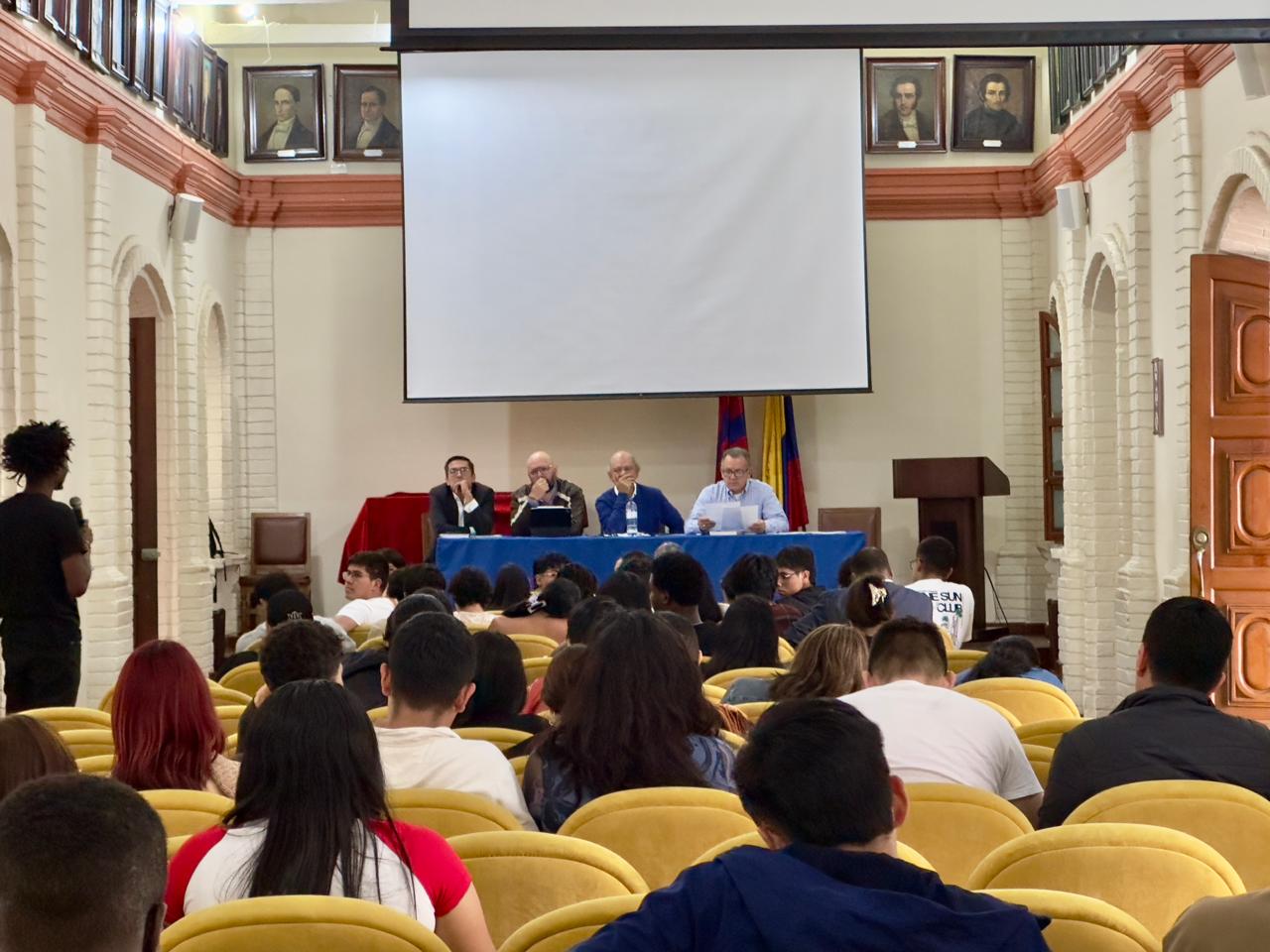
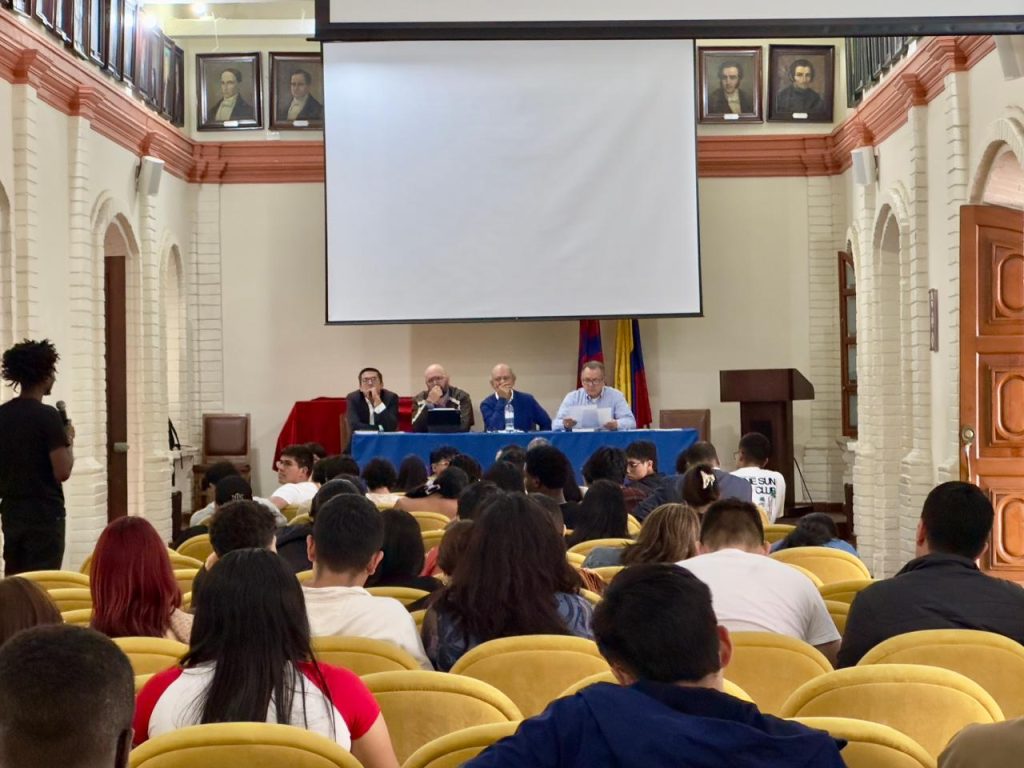
From the University of Cauca, we build essential spaces for analysis. For that reason, last Tuesday, September 23, in the Salón Fundadores, experts in political science and economics debated in the discussion forum Geopolitics and Drugs, focused on the real impact of decertification.
Within the framework of the meeting, the academics opened the debate with a clear central thesis: decertification operates more as a mechanism of international political signaling than as a serious technical evaluation. Taking Colombia as a point of reference, the invited experts pointed out the paradox: while the illicit economy advances, the social crisis deepens.
For Jairo Hernán Ortíz Ocampo, professor of the Department of Political Science, decertification constitutes a gesture of power: “it is an instrument that denotes hierarchy; it is directed from a State with greater power toward another with very little power. It is paradoxical to continue censuring producing States while overlooking consuming States,” he emphasized, noting that developed countries are never seen being stigmatized or censured for this cause.
Provided Photo.
Provided Photo.
Professor Álvaro Díaz complemented this perspective, noting that behind the technical label lies a direct blow to everyday life. The word “decertification” may sound distant, even bureaucratic: “Behind decertification, in that label that the United States imposes on countries such as Colombia, there is a process that directly impacts the daily lives of millions of people. Decertification has become a hegemonic tool, used unilaterally by Washington since the Cold War, and applied with selective criteria that never reach consumer countries,” Díaz stated emphatically.
For his part, economist and professor Juan José Caicedo presented the 2025 Report of the United Nations Office on Drugs and Crime (UNODC), which includes a troubling panorama with alarming figures: in 2023, 253,000 hectares of coca were recorded as cultivated in Colombia, representing 67% of global production. These data not only demonstrate the magnitude of the problem, but also help to understand its social consequences, insofar as the reduction of international aid limits the development of social and human rights projects, while drug trafficking revenues continue to fuel the armed conflict, expressed in displacement, homicides, and the recruitment of minors.
The debate concluded with a call to rethink anti-drug policies, emphasizing the need to strengthen social and structural solutions that address the problem at its roots. In this regard, participants agreed that spaces for academic reflection not only foster new perspectives, but also help to reconsider positions in the face of complex realities, reaffirming the importance of the university as a critical arena where proposals for lasting peace are shaped.
In this way, The members of the University of Cauca continue placing their academic expertise at the service of the country’s realities, demonstrating that Unicauca, #HeritageOfAll, is above all a University for peace.