From organic waste to science: Unicauca graduate stands out in prestigious journa...
From organic waste to science: Unicauca graduate stands out in prestigious journals
19 February, 2026
Luisa Ramos, a graduate of the Chemistry program, published two research studies, developed and written jointly with four co-authors, in two renowned scientific journals. Focused on contributing to environmental sustainability, the results obtained are a cause for celebration.
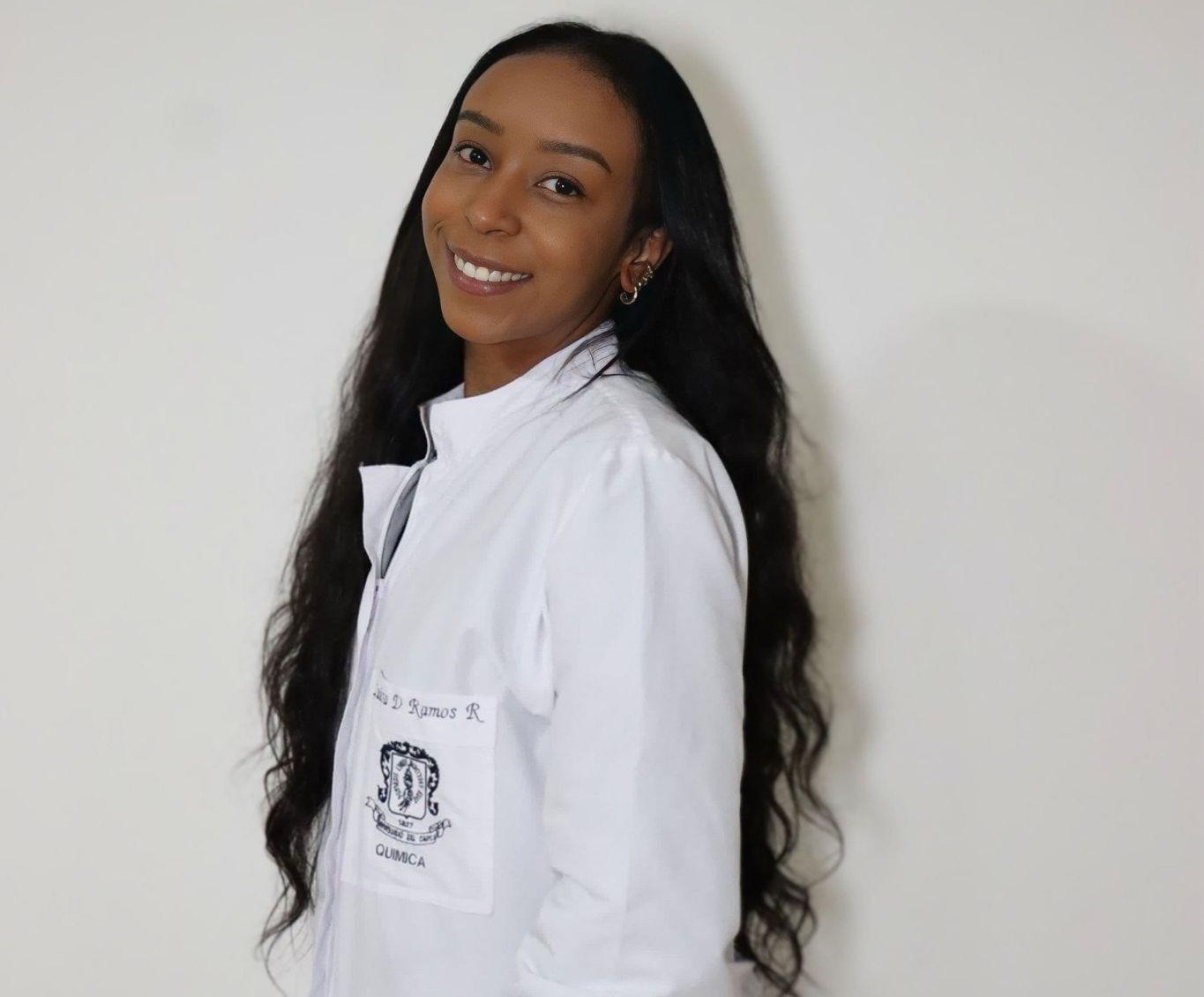
More talented and outstanding Unicauca students continue to hit it out of the park with their research! Today, we celebrate the achievements of Luisa Damaris Ramos Riascos, a chemistry graduate from our alma mater, who was co-author of two scientific articles published in accredited journals.
The first article, titled Sulfonated Reduced Graphene Oxide: An Acid Catalyst that Efficiently Promotes the Esterification of Glycerol, published in 2022 in the journal Topics in Catalysis, presents the effectiveness of a graphite-derived catalyst in the glycerol acetylation reaction. Building on these results, Luisa and the four co-authors aimed to obtain similar materials, but from biomass, reducing the use of harmful reagents and producing valuable materials from waste. This led to the second article, Acidic Eco-Catalysts Derived from Coffee Husks in the Acetylation of Glycerol, published in 2025 in the journal Tetrahedron Green Chem, which describes the feasibility of using waste from coffee processing to obtain active, economical, and environmentally friendly catalysts.
The co-authors of these brilliant studies are, for the first article, Alfonso Enrique Ramírez Sanabria and Cristian David Miranda Muñoz, professors in the Chemistry program at Unicauca; Gerardo Andrés Torres Rodríguez, professor in the Biology program at our alma mater; and Alexander Sachse. For the second article, professors Ramírez and Miranda participated again.
“It was an enriching and very rewarding experience. Each stage, from research to writing and the review process, was truly valuable. Discussing and defending the work with international experts and having it ultimately accepted demonstrates that at Unicauca we also conduct useful research. Definitely, the learning gained from the publication process is enormous,” says Luisa Ramos.
Provided Photo.
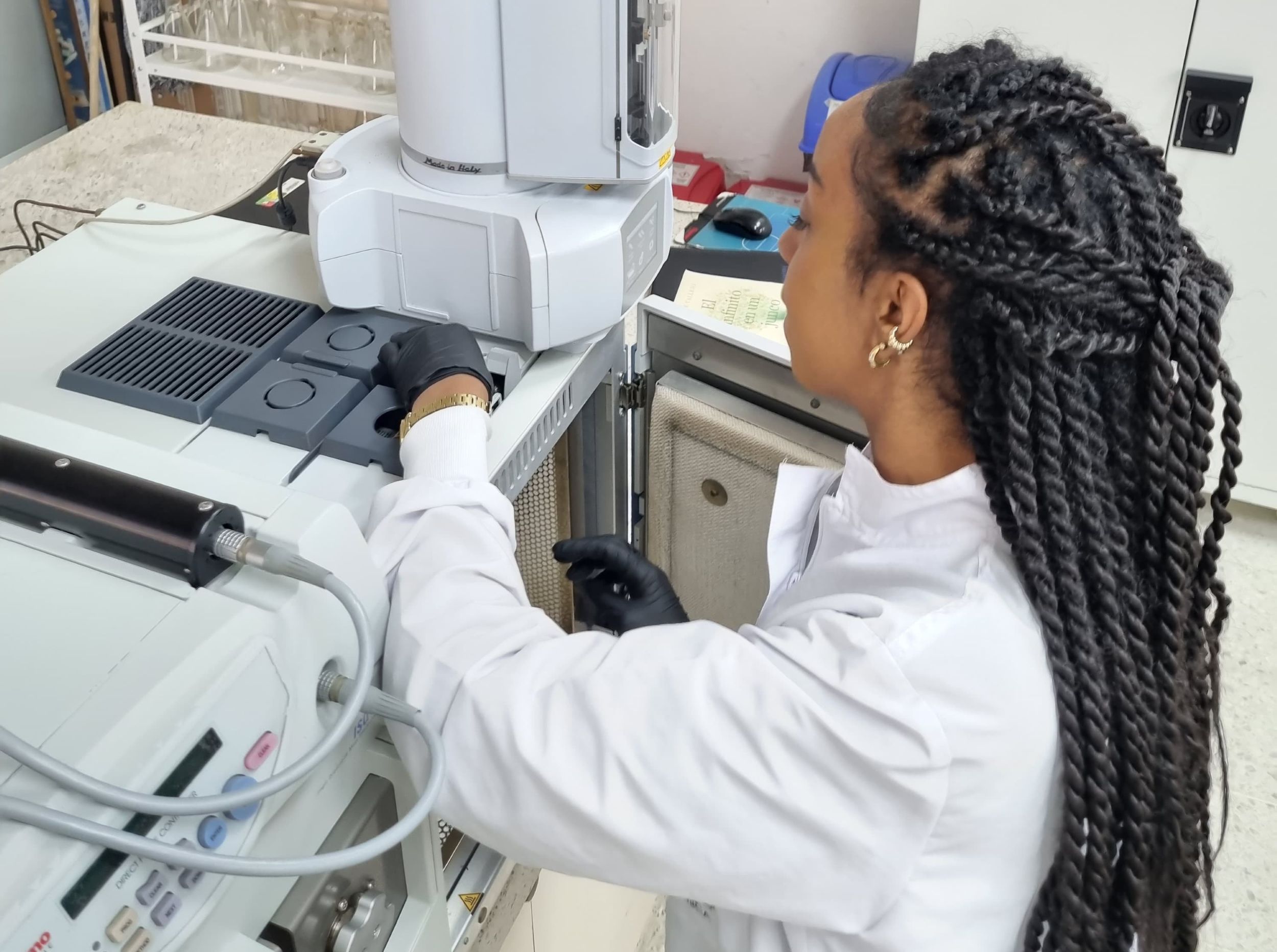
Provided Photo.
Likewise, she emphasizes with confidence and determination that she intends to dedicate her life to science; but beyond developing scientific articles, she aims to find ways to reach a broader, non-specialized audience. “I consider that science is social and also political, so its dissemination is imperative,” she added.
The aforementioned research emerged from the Catalisis Research Group at the University of Cauca, a knowledge hub actively working to make Chemistry more environmentally friendly. Within this group, of which Luisa is a member, the idea arose to use agro-industrial waste, such as coffee husks, as raw material for catalysts, with the additional goal of adding value to the biomass used. Upon learning about this initiative from Professor Alfonso Ramírez, and with the intention of generating a positive impact on society, Luisa decided to base her thesis around this purpose and to choose catalysis as the focus of her profession. Later, the Young Researchers and Innovators project provided the perfect platform to continue this research.
These types of initiatives reaffirm the importance of scientific research and its potential to transform realities. At the University of Cauca, we will always celebrate our graduates who continue their academic development, contribute with new ideas and projects, and demonstrate that Unicauca excellence and creativity can make history in science.