Encuentra lo que necesitas en segundos. Explora, descubre y obtén respuestas rápidas. ¡Comienza tu búsqueda ahora!
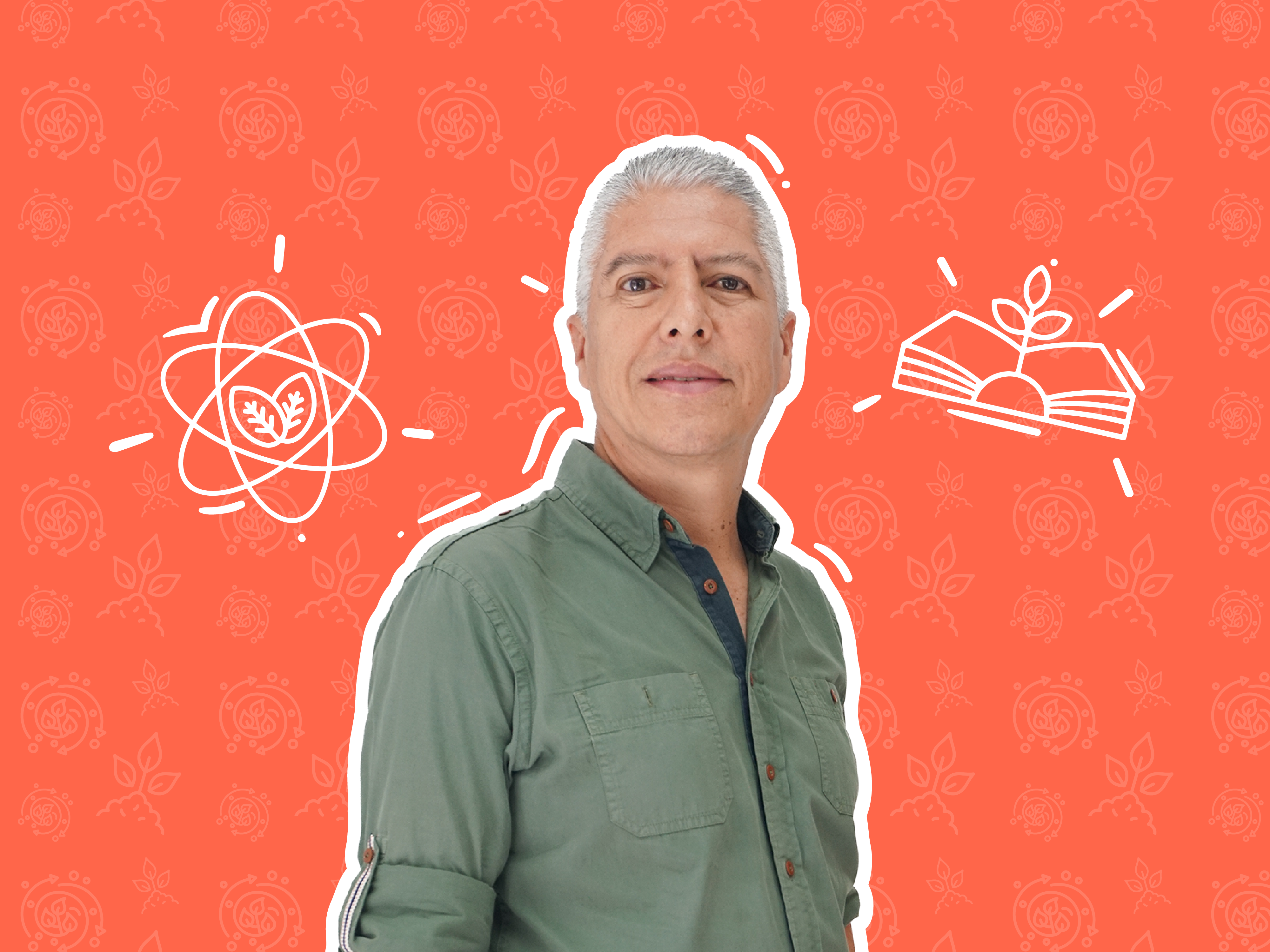
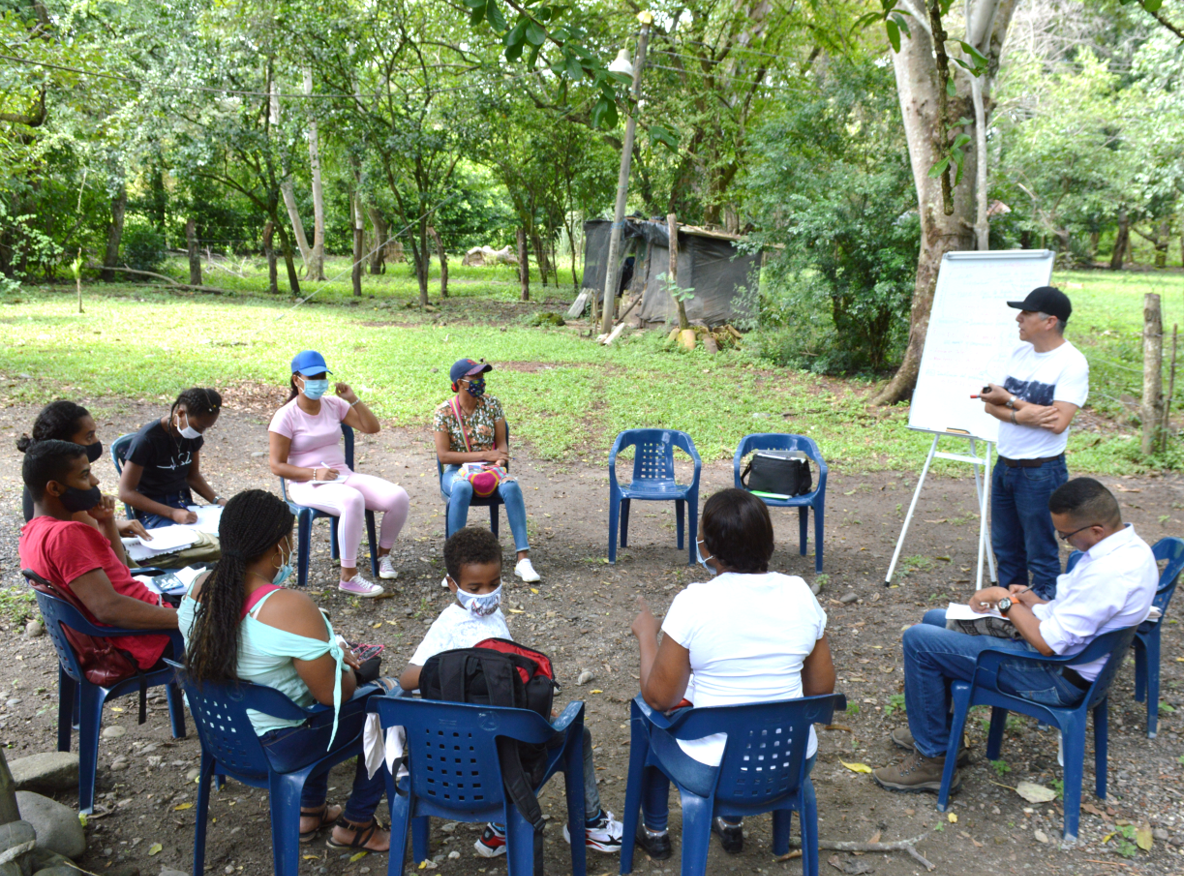
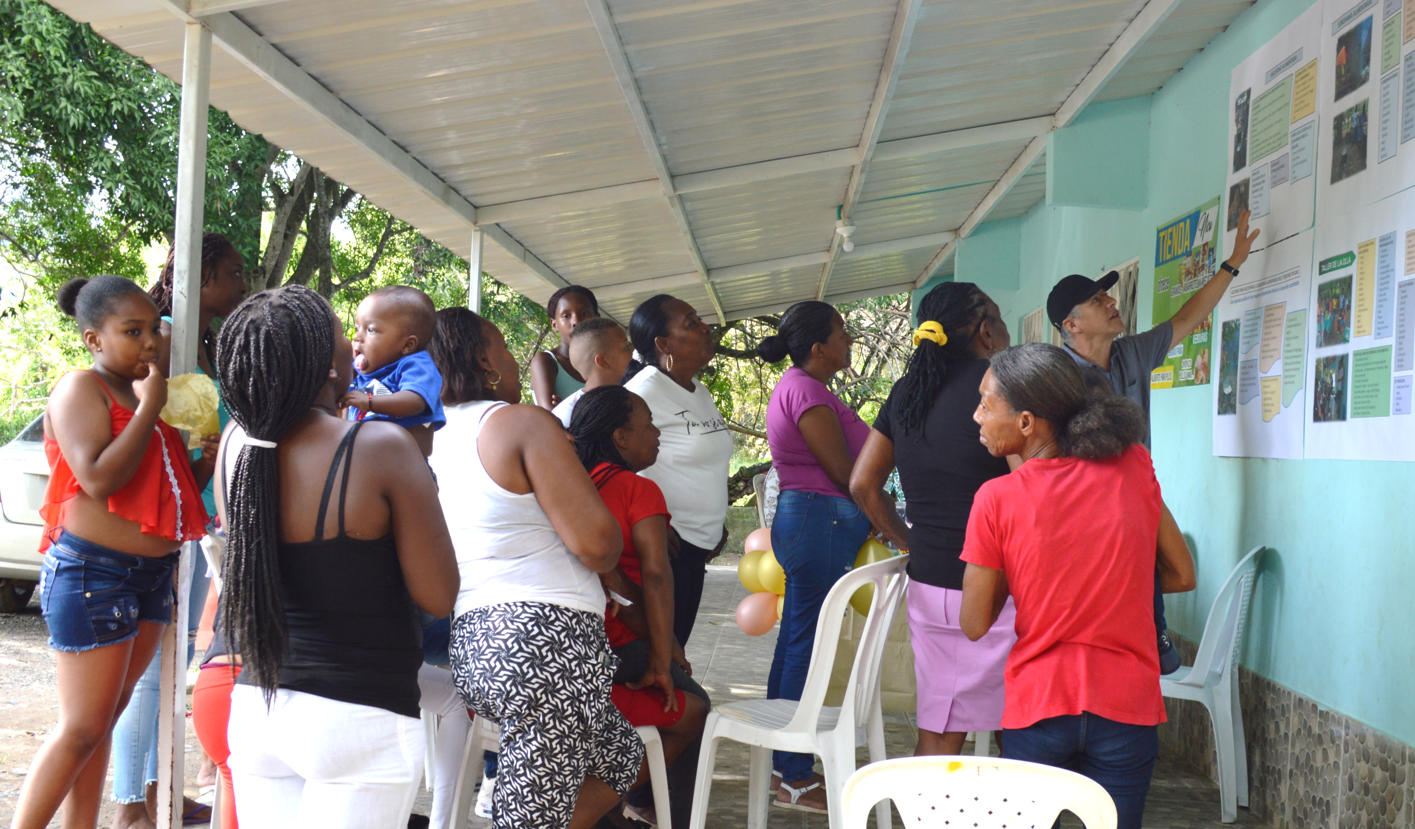
The doctoral dissertation in Environmental Sciences by Professor Luis Antonio Rosas Guevara focused on the development of a comprehensive model for the socio-ecological management of the territory, built jointly with rural women from three associations located in the Patía Valley, in the southwestern region of the department of Cauca.
This research addressed the challenge of sustainable development in this territory, an area facing the accelerated degradation of the tropical dry forest (Bs-T) ecosystem as a result of extensive cattle ranching, decreasing terrestrial water flows, increasing erosion processes, land degradation, deforestation, and burning practices… a truly concerning scenario.
The evaluation committee, composed of experts Daniela García, Diana Marcela Ruiz, and Javier Tobar, highlighted the originality and innovation of the research, noting that this process demonstrates how, in the face of globalizing capitalist strategies, it is possible to promote changes in local production, safeguard the territory’s biodiversity, and strengthen the struggles of Afro-Patian women.
Thus, this approach makes it possible to recover ancestral knowledge and traditions as alternatives for subsistence and resistance. In essence, the proposed socio-ecological management framework addresses concrete territorial issues such as water scarcity, food sovereignty, and environmental degradation, integrating theoretical and methodological contributions from agroecology, biology, anthropology, gender studies, and community knowledge. In this sense, it represents a contextualized contribution to the development of Environmental Sciences and reflects the academic and social commitment of this Unicauca researcher to a concrete regional reality.
This PhD candidate in Environmental Sciences holds a degree in Education, earned with Honorable Mention for his research project “Comparative Study of Growth, Phenology, and Yield of Common Bean (Phaseolus vulgaris L.) and Cacha Bean (Phaseolus polyanthus G.) in Monoculture.” He is also a specialist in Multicultural Education and holds a Master’s degree in Interdisciplinary Development Studies, for which he once again received Honorable Mention for his research “Historical Memory of the Mate-Cutting Craft of Afropatianas Women.” This work resulted in the publication of the book Vivimos del mate by the University of Cauca Press, a work focused on the historical memory of the cortamates, a traditional craft carried out by Black women of the Patía region.
Likewise, Professor Luis Antonio is a researcher in the TULL Research Group at our Alma Mater, with an outstanding trajectory in projects related to food sovereignty, environmental sustainability, and rural development.
He is currently working on the project “Territory, Food, and Life” (2022–2025), aimed at transforming food systems in Indigenous territories, and he has led research studies on water management and the historical memory of Afropatianas women, both widely recognized for their impact. With experience in multicultural education, coffee cultivation in Cauca, and the conservation of native germplasm, his work has been supported by national and international entities and has earned multiple distinctions and honors.
Furthermore, he has held administrative positions within our institution, serving as Head of the Department of Intercultural Studies at the Faculty of Human and Social Sciences from 2022 to 2024, and as Coordinator of the Master’s Program in Intercultural Studies from 2017 to 2020.
Thus, at the University of Cauca, we take great pride in having distinguished scholars whose research is essential for understanding the dynamics of struggle and resistance among Afropatianas women.
Without a doubt, these studies provide a valuable perspective on identity, territory, and environmental struggles, helping to shed light on gaps, inequalities, and opportunities in the region.
Moreover, they vindicate the processes of food sovereignty and resistance in which women play a central role. These research efforts not only strengthen academic knowledge, but also contribute to the construction of contextualized solutions and to the recognition of communities as agents of change within their own territories.
Address: Calle 5 # 4 - 70 | Popayan, Colombia
Opening hours:
Monday to Thursday from 8:00 a.m. to 5:00 p.m. - Friday from 8:00 a.m. to 4:00 p.m.
Telephone: +57 (602) 820 9900
Toll-free: 018000 949020
Court notifications
Institution with High Quality Accreditation for 8 years, resolution MEN 6218 of 2019 - Vigilada MinEducación
NIT. 891500319-2
Address: Calle 5 # 4 - 70 | Popayan, Colombia
Telephone: +57 (602) 820 9900
Toll-free: 018000 949020
Requests, Complaints, Claims, Suggestions and Congratulations
Email: ventasreclamos@unicauca.edu.co
Judicial notifications
Email:processes@unicauca.edu.co
Institution with High Quality Accreditation for 8 years, resolution MEN 6218 of 2019 - Vigilada MinEducación