Sowing the future in the territory: this is what it is like to study Agroecologic...
Sowing the future in the territory: this is what it is like to study Agroecological Engineering at Unicauca’s Santander de Quilichao campus
9 March, 2026
The University of Cauca has a new program at its Santander de Quilichao campus: Agroecological Engineering, available starting in the second semester of 2025. This academic initiative is born from the strength of those who believe in the territory and in a dignified life, such as Professor Mónica Risueño Solarte, who, through her experience and commitment, encourages young people to remain in their territories, cultivate their roots based on who they are, and sow the future from this very special field of knowledge.
The place where we are born and grow up undoubtedly shapes our identity. For this reason, for Professor Mónica Risueño Solarte, having grown up in El Tambo (Cauca), surrounded by her parents’ commitment as rural teachers, profoundly marked her path. Today, Mónica is a professor and researcher in rural development and extension at the Faculty of Agricultural Sciences of the University of Cauca, and her story stands as a faithful testament to how rootedness can become a driving force for transformation.
Professor Mónica is a sociologist from the University of Nariño, and from a very early age she felt drawn to the rural world, environmental issues, and working alongside communities that cultivate the land and, through their labor, supply both the countryside and the cities. Her trajectory has led her to travel through different regions of the country, such as the Pacific Coast, Nariño, Cauca, the Eastern Plains, and Boyacá, accompanying organizational and productive processes. These experiences motivated her to deepen her training with a Master’s degree in Rural Development from the Pontificia Universidad Javeriana, with an emphasis on rural microfinance.
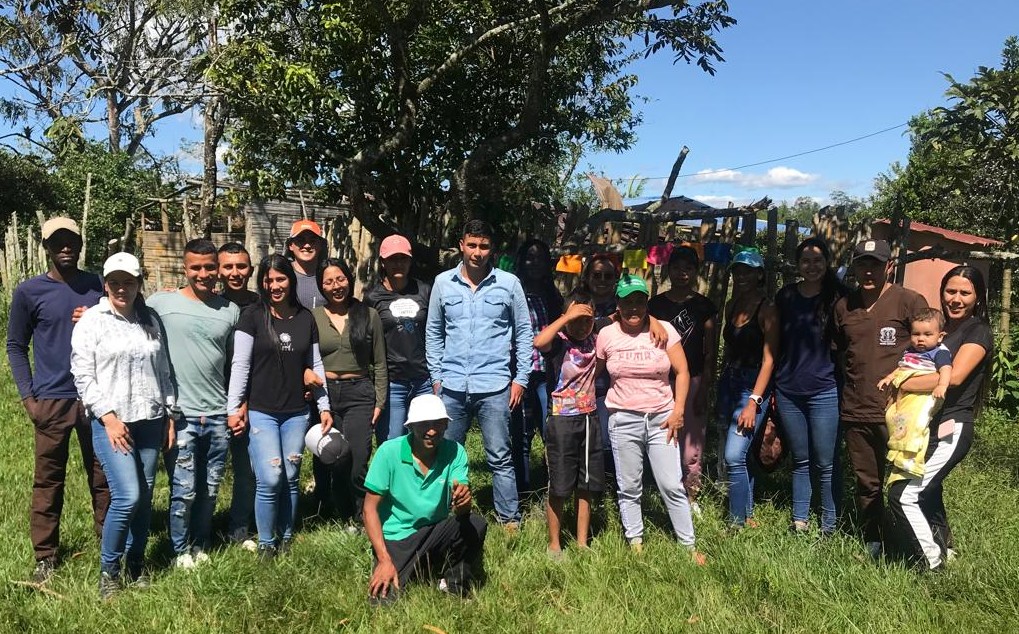
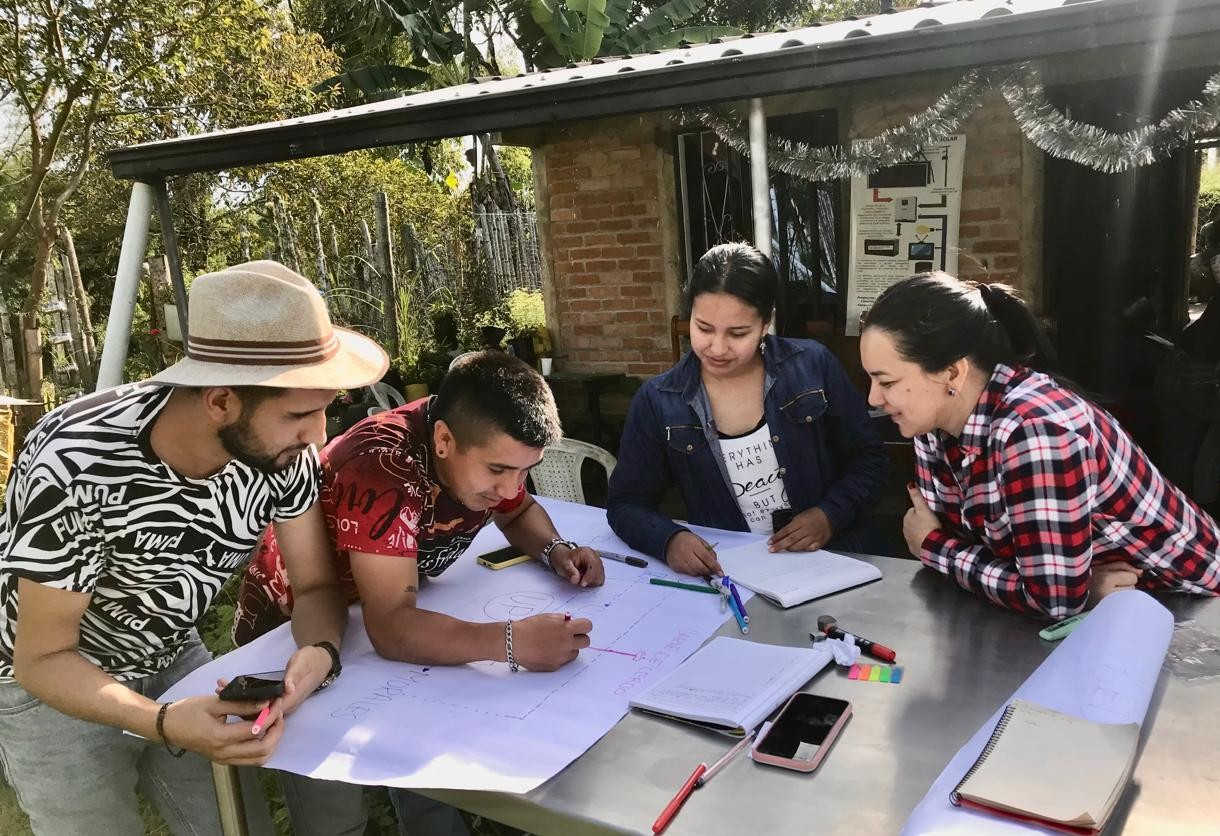
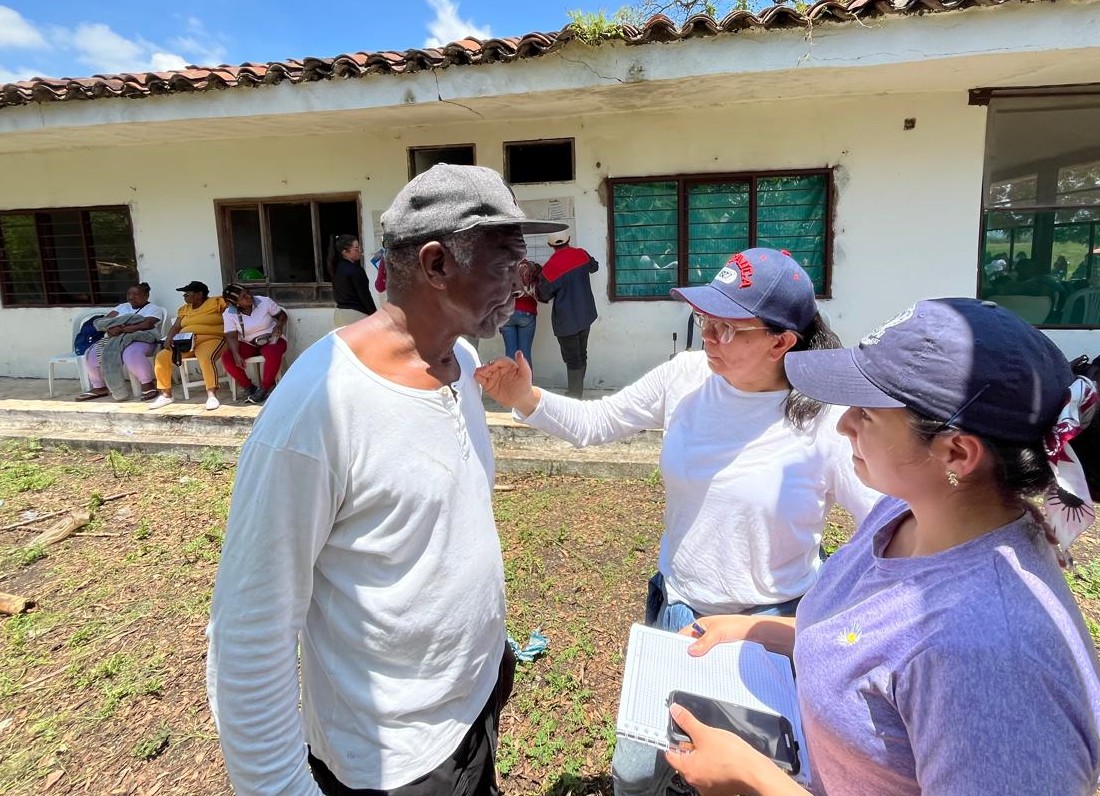
Since 2006, she has worked in Cauca with peasant organizations, associations of women, youth, and ethnic communities, promoting self-management and advocacy through participatory methodologies. And it was precisely these experiences that prompted her to co-design strategies integrating production, processing, and marketing, always grounded in local knowledge. In 2016, she joined the Department of Agricultural Sciences of the Cauca Alma Mater as a professor, and in 2024, she completed her Doctorate in Agricultural and Agroindustrial Sciences as a beneficiary of the Bicentennial Doctoral Excellence Scholarships.
Provided Photo.
Provided Photo.
“My vocation as a professor is born from the desire to learn alongside communities and to contribute to processes of social transformation through knowledge. Teaching allows me to conduct research in real contexts, share knowledge, and build collective proposals with teams committed to rural development. Teaching is not only about transmitting information; it is about creating spaces for dialogue, analysis, and joint creation. It is about sowing hope in new generations who want to stay and transform their territories,” Professor Mónica affirms with conviction.
Thanks to this particular vision, Unicauca became a key piece in the process of opening the Agroecological Engineering program at the Santander de Quilichao campus of the University of Cauca, since, as she herself points out, “This program was born from a research process linked to the creation of the Center for Research, Promotion, and Social Innovation for the Development of Cauca Coffee-Growing (Caficultura). We identified the need for an academic proposal that would respond to the challenges of family-based productive systems, the conservation of natural assets, and the strengthening of regional economies.”
And since the natural question that may arise is, “What is Agroecological Engineering?”, here is the answer. It is an educational initiative designed to accompany rural and urban youth in building a fairer, more sustainable agri-food model rooted in territorial knowledge. “We seek to provide training that allows young people to find new meanings in rural life. That they can recognize themselves as key actors in the care of natural assets, the production of healthy food, and the strengthening of their local economies. This program offers tools to integrate technical knowledge with community-based knowledge, designing productive strategies with environmental, social, and economic purpose. It is an invitation to imagine new ways of inhabiting and caring for our territories,” Professor Mónica assures.
Thus, studying Agroecological Engineering means committing to both the present and the future; it means understanding that agriculture, agricultural and livestock production, processing, and commercialization, goes far beyond growing food. It also involves cultivating life, caring for water, soils, ecosystems, and ancestral knowledge. It means having the opportunity to transform your community, your region, and your country through initiatives that respond to the environmental, social, and economic challenges of today’s world. “It is an invitation to remain in your territory, to live well based on who we are, and to sow hope and a future through agroecology,” concludes this professor, who has been a driving force behind making this dream a reality.
So, if Professor Mónica’s experience resonates with you and you wish to pursue a degree in Agroecological Engineering at this university, #HeritageOfAll, we invite you to complete your registration at the Santander de Quilichao campus through unicauca.edu.co. Do not miss this opportunity to transform your life and make your dreams come true at a public university accredited for High Quality, which is ready to welcome you with open arms to strengthen your knowledge and enable you to contribute to the development of your community, municipality, department, and region through rural development. You have until June 16 to make one of the best decisions of your life. Become part of the first cohort of Agroecological Engineers in northern Cauca at the University of Cauca, proudly bearing the unmistakable blue and red identity of one of the most important institutions in the region and the country.