Researchers from Unicauca, beneficiaries of the scholarship from the German Academic Exchange Service (DAAD)
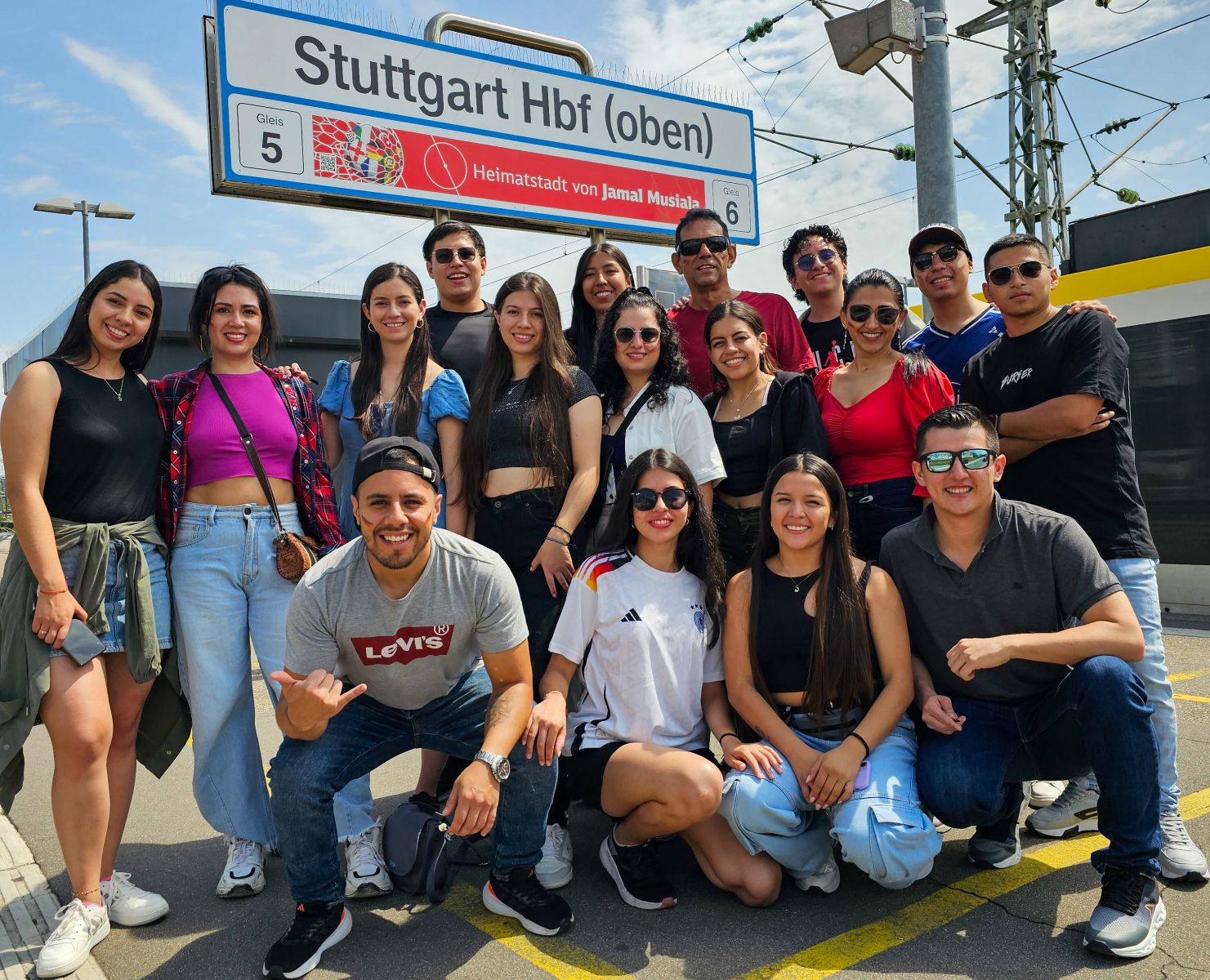
From June 14 to 29, members of the HydroInnovation research training group and the Hydraulics and Hydrology research group carried out a cultural and academic exchange at four German universities.
Students from the Civil and Environmental Engineering programs, united through the HidroInnovación Research training group and the research group affiliated with the Department of Hydraulics of the Faculty of Civil Engineering, under the coordination of professors Felipe Agredo and Carlos Gallardo and with the support of professor Andrea Bolaños, were awarded a scholarship granted by the German Academic Exchange Service (DAAD) within the framework of the project “Study Visits by Groups of Foreign Students.” This scholarship consisted of a cultural and academic exchange through a visit by the students to four German universities.
The students who took part in the experience were: Isabella Agredo, Kelly Aguirre, Vanessa Aguirre, Danilo Bolaños, Sebastián Cifuentes, Santiago Díaz, Dayanna Jiménez, Poliuxy León, Ana María Muñoz, Daniela Ortiz, Mildre Pantoja, Juan Vivas, and Laura Zúñiga.
The main focus of the trip was Hydraulic Engineering and its connection to Civil and Environmental Engineering. The academic motivation was the desire to learn about the high-level German educational system in engineering. With their visit to Germany, the group aimed to deepen their understanding of the academic environment at top-ranked universities in their field of interest, engage with courses and lectures in another language, observe demonstrations and experiments in state-of-the-art laboratories, and participate in field trips to some of Europe’s most important hydraulic works.
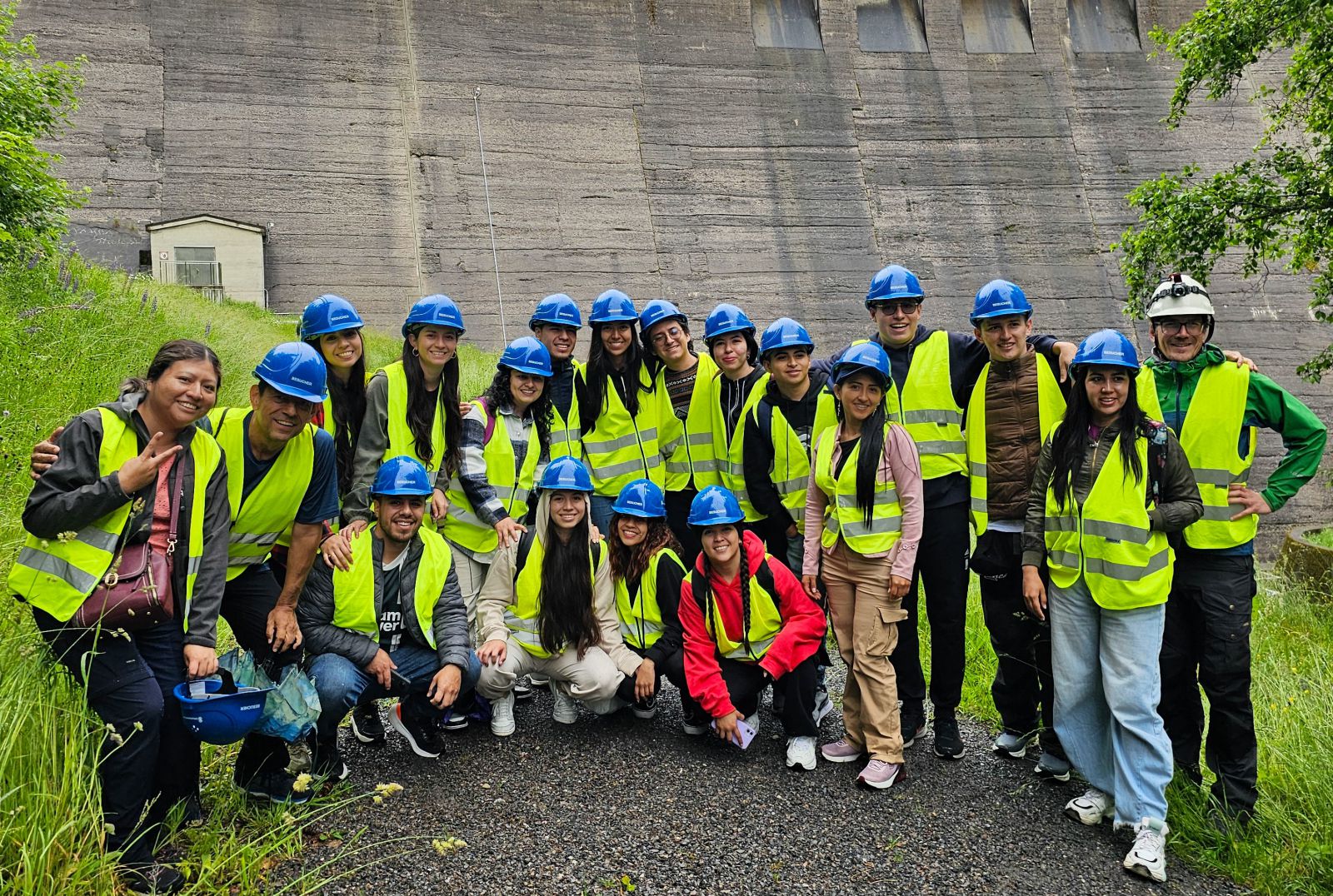
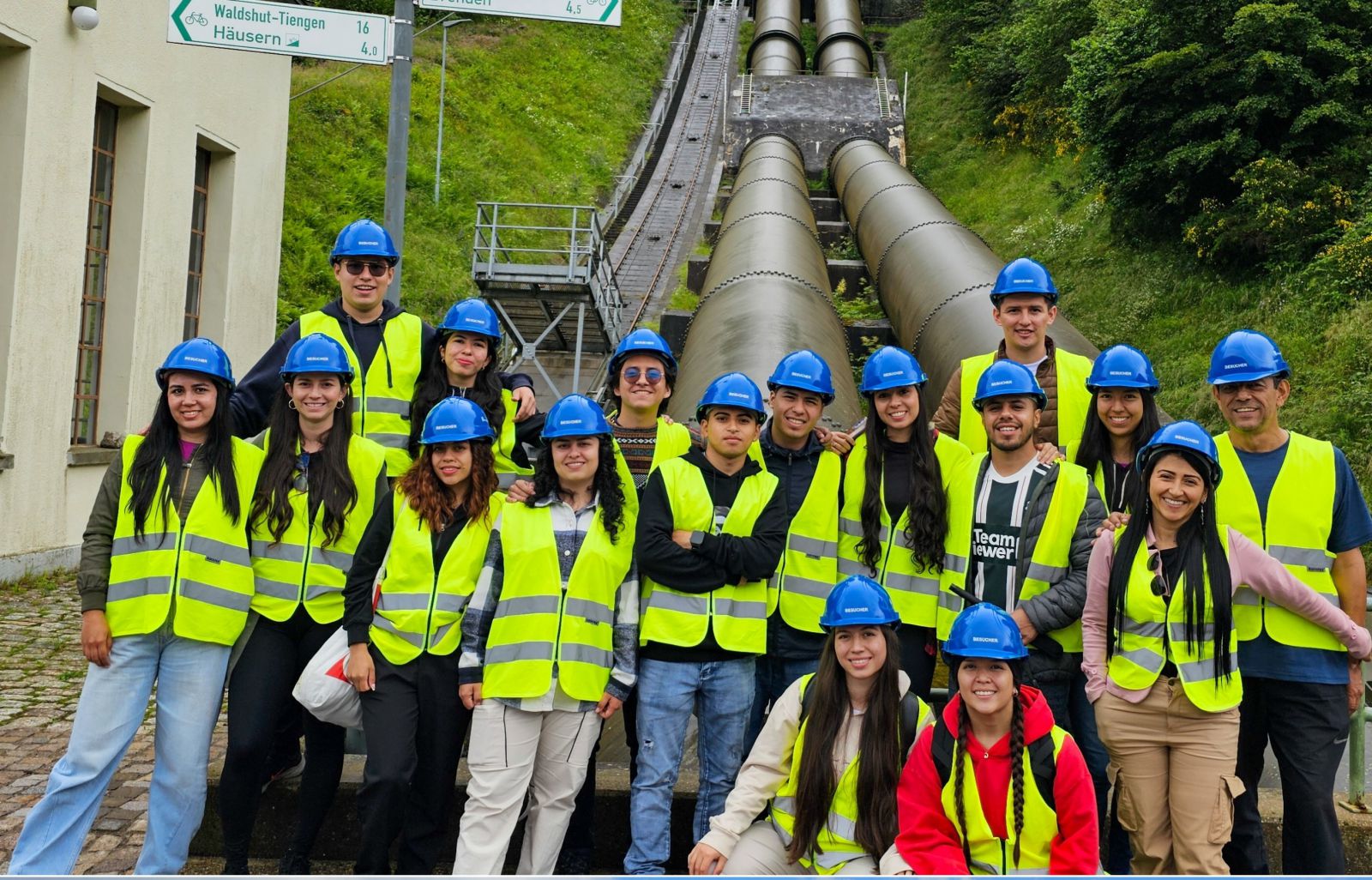
To enrich the travel experience, technical outings were organized, such as the visit to the three pumped-storage hydroelectric plants that form the Schluchsee group in the Black Forest in southwestern Baden-Württemberg, operated by Schluchseewerk AG. Additionally, they visited the Waterway Junction; the historic Shiplift; the Schleuse Rothensee; the Rothensee boat lift; and the Magdeburg Water Bridge in Magdeburg.
Provided Photo.
Provided Photo.
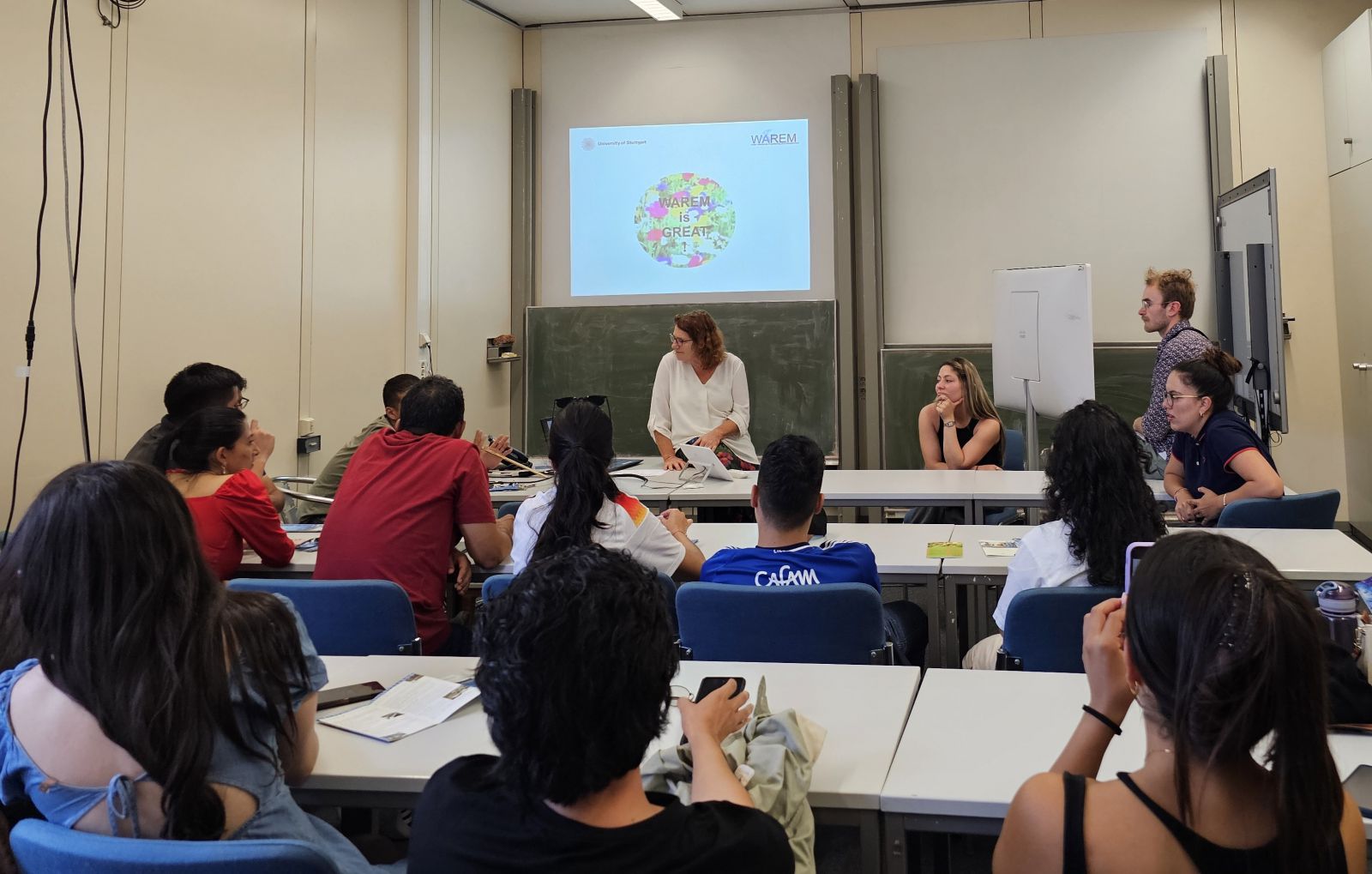
Additionally, general presentations were given on the University of Cauca, the Faculty of Civil Engineering, the Department of Hydraulics, and its postgraduate programs related to Water Resources: the Specialization in Water Resources Engineering and the Master’s in Hydraulic and Hydrologic Engineering; the Hydraulics Laboratory, the automated meteorological station, and especially the “Hydraulics and Hydrology” research group and its research training group “HidroInnovación.” The students from the research training group presented six of the research projects they are currently developing, endorsed by the Office of the Vice President for Research, some of which had also been presented as papers at the XXV National Seminar on Hydraulics and Hydrology of the Colombian Society of Engineers in Bogotá one week prior to the trip.
Environmental Engineering student Dayanna Jiménez states that the visit had four main objectives and that all of them were successfully achieved.
To establish contacts and/or strengthen the ties between the University of Cauca and German universities.
To foster the acquisition and exchange of knowledge and experiences in the students’ specific area of training through visits to four higher education institutions.
To promote disciplinary exchanges and encounters with German professors and students.
To learn about aspects of Germany’s economic, political, and cultural life within the context of Hydraulic and Hydrologic Engineering.
According to Professor Agredo, a distinguishing aspect of this trip was being able to trace the route from west to east, allowing for immersion in two regions with certain cultural differences shaped by historical events. For the group, it was very interesting to visit major cities known for their importance or historical significance within German territory, such as Frankfurt, the country’s financial center; Heidelberg, known as Germany’s unofficial intellectual capital; traveling along the Rhine River, the most heavily used waterway in the European Union; and then reaching Stuttgart, known as the “star city” for its cultural richness. They also visited and explored Nuremberg, known as Germany’s “jewel city,” famous for its history and key events of the past century; Dresden, known as the baroque city with an eastern cultural influence; and Magdeburg, the Elbe metropolis with 1,200 years of history. To conclude the journey, although not in an academic context, the group visited Berlin, the “Phoenix city,” known for its multicultural lifestyle.
Professor Gallardo notes that the group’s motivation for requesting funding and undertaking the trip was to receive feedback on their research projects, taking into account the insights of specialists from top-tier universities. Additionally, they aim to pursue further studies at German universities, which makes an academic and cultural focus essential when considering future academic plans, particularly those linked to scholarships such as DAAD, Erasmus Mundus, Colfuturo, ICETEX, among others. They also sought to learn about the master’s programs offered by each university, such as Water Technology (Heidelberg), the Master of Science Program WAREM (Stuttgart), GroundwatCH, Flood Risk Management, and the MSc Hydroscience and Engineering (Dresden), as well as Water Engineering (Magdeburg).
Provided Photo.
Provided Photo.
Professor Bolaños states that, in conclusion, the project offered multiple opportunities to establish academic and research connections that will enrich the students’ education. Letters of intent were secured to formalize agreements with our alma mater, while also providing the chance to learn about one of the most advanced educational systems in the world in Hydraulic Engineering. These outcomes will now be directed to the Office of Interinstitutional and International Relations (ORII).
The Department of Hydraulics trusts that this experience will allow the group to grow both academically and personally, reaching a new level in their education and developing a deeper understanding of hydraulic engineering in a global context. It also extends its gratitude to the hosts who made the group’s visit possible: Prof. Dr. Ulrike Gayh, M.A., M.Sc. Anne Weiß, Daniel Stolz and Lisa Odparlik, M.Sc. Karen Rojas Gómez, Dipl.-Ing. Kirstin Neumann, and all their colleagues from each of the German universities and companies.