







• Increase font size
  • Decrease font size
  • Increase Spacing
  • Decrease Spacing
  • Grayscale
  • Contrast
  • Dyslexia Font
  • Reset
  • Relay Center

Encuentra lo que necesitas en segundos. Explora, descubre y obtén respuestas rápidas. ¡Comienza tu búsqueda ahora!

EnClaveBicentenario for a better tomorrow: building PEACE with knowledge and comm...

#EnClaveBicentenario for a better tomorrow: building PEACE with knowledge and commitment at the service of the region

Imagen de ícono calendario
16 March, 2026
In a country like Colombia, and in a department like Cauca, the word “peace” is not merely a concept; it is the deepest longing, the foundation upon which dreams are sown and the social fabric is rebuilt. Living in peace is a shared aspiration, and along that path, The Alma Mater of Cauca stands as both beacon and driving force, promoting the right to life, reconciliation, and the inclusion of differences. The University of Cauca, faithful to its historic commitment to peace, has undertaken the mission of taking young people away from war and transforming the lives of communities through higher education.

“The University of Cauca is, above all, a University for Peace,” states Agreement 105 of 1993, the General Statute of our house of studies; a principle that has guided the institutional course over the years. Since its founding, the University of Cauca has understood that its mission transcends the classroom. Faithful to its historic commitment, it has taken on the task of steering young people away from war and transforming lives, knowing that higher education is the most powerful tool for building a future of hope. Guided by its roadmap, “For an Excellent and Supportive University,” The Alma Mater of Cauca works tirelessly for an institution committed to its surroundings, a promoter of the right to life, reconciliation, and the inclusion of all differences. And yes, in this feature we will explore how the University of Cauca not only teaches, but also builds peace, day after day, with every action and every life it touches.

“La Universidad del Cauca es, ante todo, una Universidad para la Paz”, señala el Acuerdo 105 de 1993 o Estatuto General de nuestra casa de estudios; un principio que ha guiado el rumbo institucional a lo largo de los años. Desde su fundación, la Universidad del Cauca ha comprendido que su misión trasciende las aulas. Fiel a su compromiso histórico, ha asumido la tarea de quitarle jóvenes a la guerra y transformar vidas, sabiendo que la educación superior es la herramienta más poderosa para edificar un futuro de esperanza. Guiada por su hoja de ruta “Por una Universidad de Excelencia y Solidaria”, nuestra Alma Mater trabaja incansablemente por una institución comprometida con su entorno, promotora del derecho a la vida, la reconciliación y la inclusión de todas las diferencias. Y sí, en esta nota, exploraremos cómo la Universidad del Cauca no solo enseña, sino que también construye paz, día tras día, con cada acción y cada vida que toca.

Foto EnClaveBicentenario para un mañana mejor: sembrando PAZ con conocimiento y compromiso al servicio de la región
Provided Photo.
Foto EnClaveBicentenario para un mañana mejor: sembrando PAZ con conocimiento y compromiso al servicio de la región
Provided Photo.

Thus, the year 2022 marked a turning point. Following the release of the Final Report of the Truth Commission, the University vigorously reaffirmed its commitment to memory and reconciliation. This renewed momentum translated into the strengthening of various initiatives dedicated to peacebuilding, including the successful completion of the Evening Law Program. This cohort, composed of police officers, social leaders, and signatories of the Peace Agreement, stands as a living testament to how education becomes a powerful space for encounter and transformation.

Along this same path, the University consolidated its peace strategy through the creation of the Peace Commission, by means of Rectoral Resolution 0071 of 2023. This academic body not only guides the institutional peace strategy, but also promotes valuable spaces for dialogue and debate, leads crucial research, and engages in political arenas that seek comprehensive peace for the region. In addition, it actively promotes knowledge and appropriation of the Final Report of the Truth Commission through the Comprehensive, Social, and Humanistic Education Program (FISH), ensuring that its findings permeate the university community.

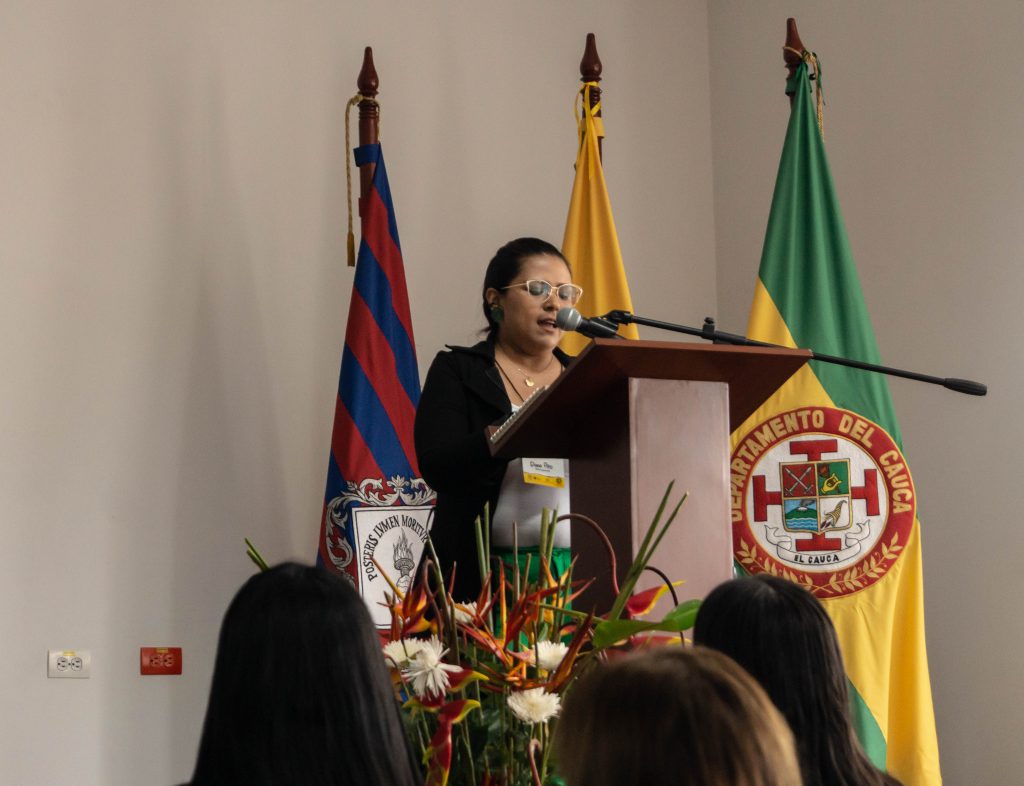
The work of the Peace Commission has flourished thanks to diverse initiatives. Under the initial leadership of Professor Diana Granados, in collaboration with Dean Rafael Alfonso Buelvas Garay, Professor Jaidiver Ojeda Insuasti, Professor Roberto Rodríguez, staff member Atanasio Hernández (SINTRAUNICOL), and Professor María del Pilar Carmona (ASPU), the “Dialogues for Peace of the University of Cauca” were launched. This space for reflection, extended to both Popayán and Santander de Quilichao, was fundamental in rethinking the collective action of the university community in peacebuilding efforts.

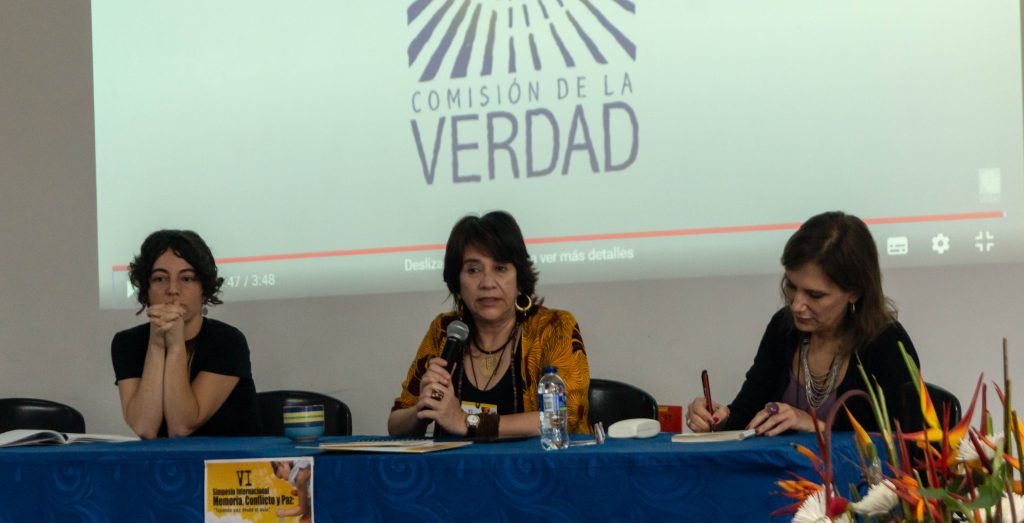
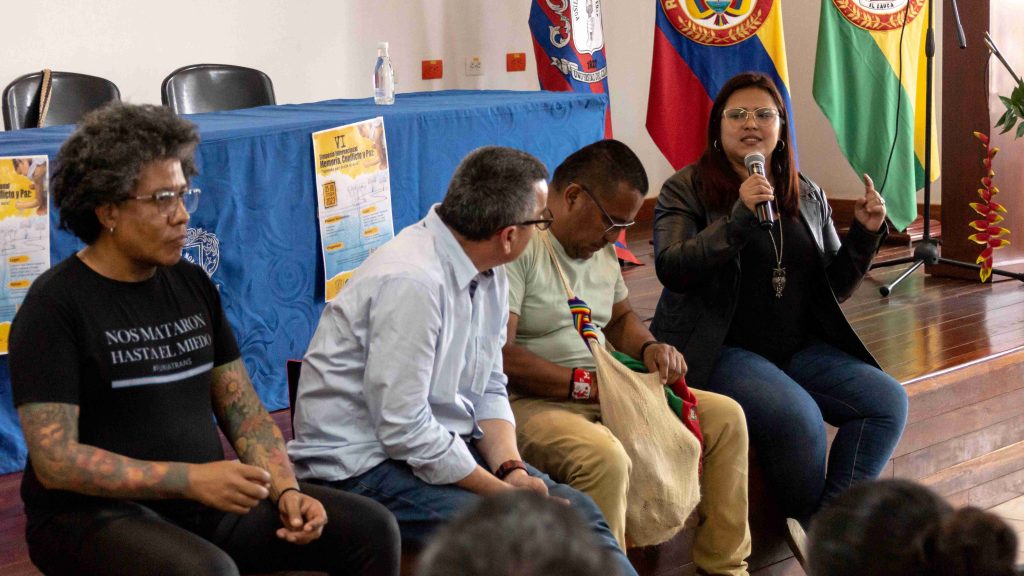
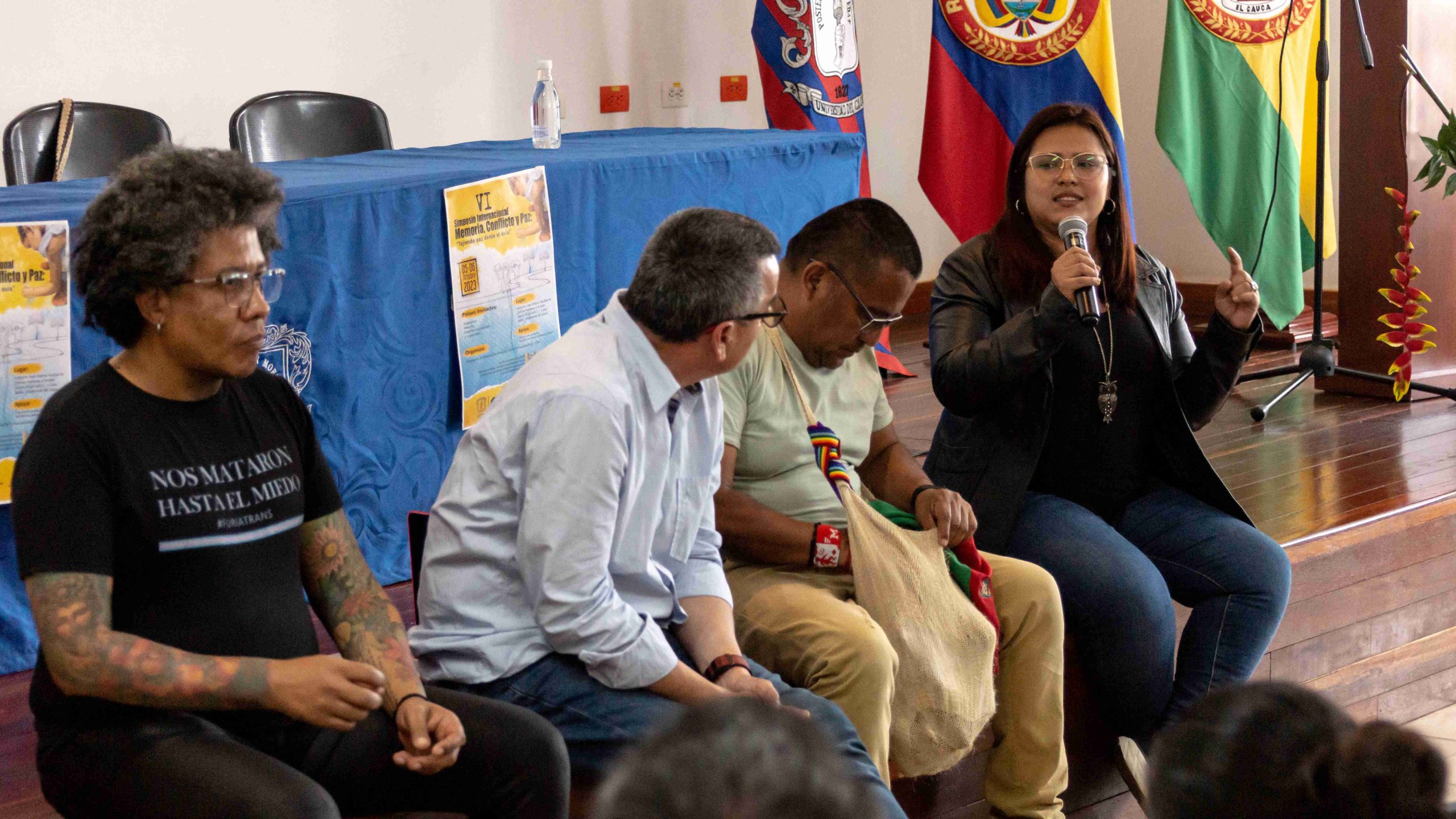
In this same line of achievements, March 2023 marked the graduation of the first cohort of the Universities for Peace Program, composed of young people from rural territories who found in higher education a tangible alternative to violence. The University also hosted the annual event “Memory, Conflict, and Peace” and organized the week “Unicauca: Thinking, Educating, and Acting for Peace,” whose motto has become a guiding principle along this path. Additionally, a comprehensive database was developed on the academic production of the University of Cauca related to the armed conflict and peacebuilding between 2012 and 2023, the result of rigorous research work.

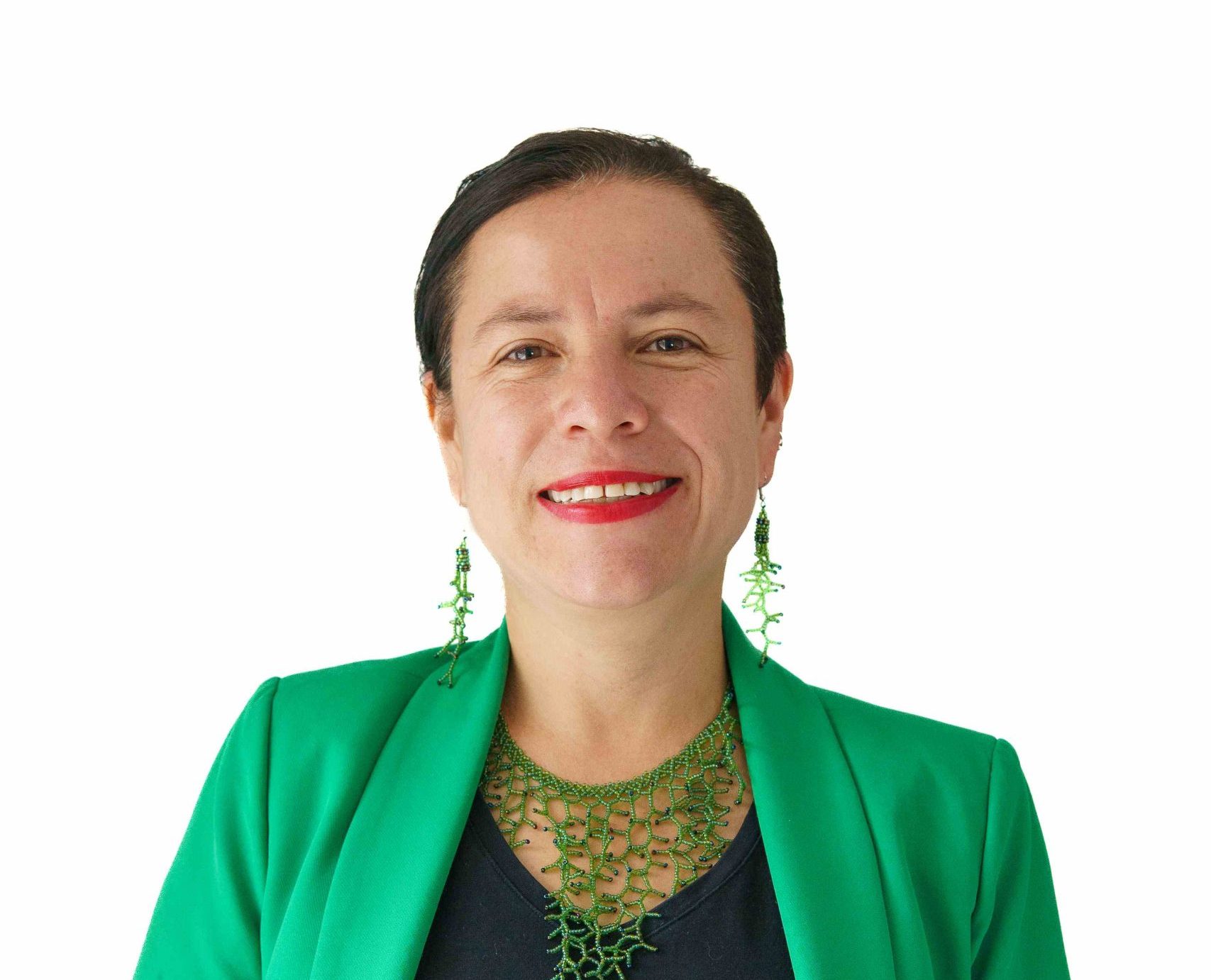
Foto Profesora Diana Granados
Provided Photo.
Foto EnClaveBicentenario para un mañana mejor: sembrando PAZ con conocimiento y compromiso al servicio de la región
Provided Photo.

Regarding this milestone, Professor Diana Granados emphasizes with emotion: “I believe it was absolutely important to make the decision to create the Peace Commission through a Rectoral Resolution, because it meant opening a space and strengthening an entire trajectory of peacebuilding that the University of Cauca had already been advancing, both in teaching, research, and engagement with society. It was about enhancing and promoting the University’s historic commitment to peacebuilding in the region.” She also highlighted the importance of articulating efforts with regional, national, social, and academic actors in order to foster dialogue, reflection, and progress in educational proposals and strategies that strengthen a culture of peace and the promotion of human rights.

That same year, the University of Cauca honored its commitment by hosting the gathering “Weaving Lives and Hopes: Peacebuilding Experiences from the Territories,” a meaningful space that promoted dialogue on mental health and reparations with Indigenous communities affected by the conflict. Likewise, the moving photographic exhibition “Memory and Violence” was held, based on the invaluable archive of Monsignor Germán Guzmán Campo, a pioneer in the study of Colombia’s armed conflict. These initiatives are joined by countless others, not only driven by faculty members, but also by the energy of students, graduates, and diverse actors within the University of Cauca community. Although not all have been systematized, their impact is undeniable: they have contributed to consolidating a powerful collective sense of seeking and building peace in the department.

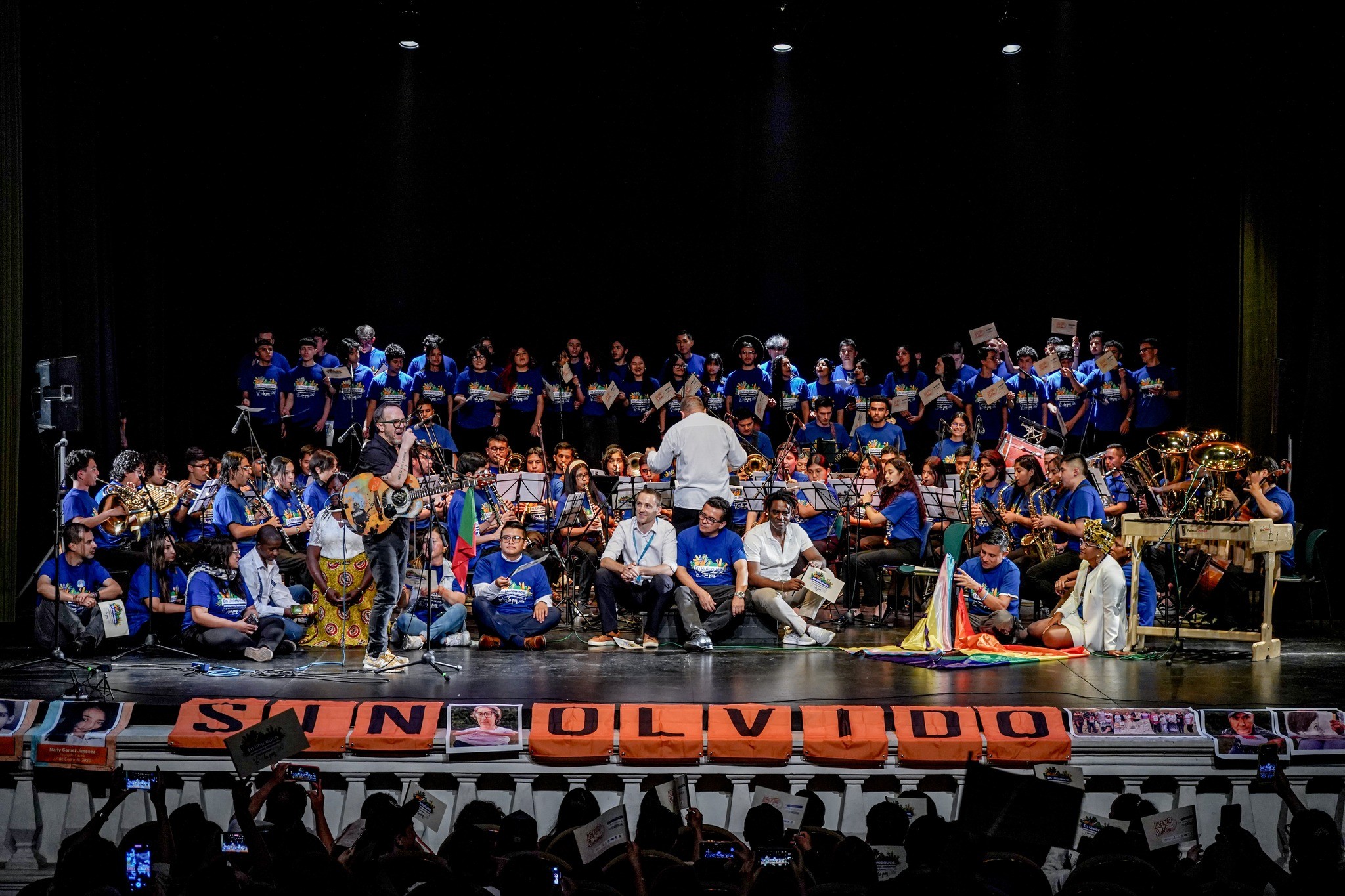
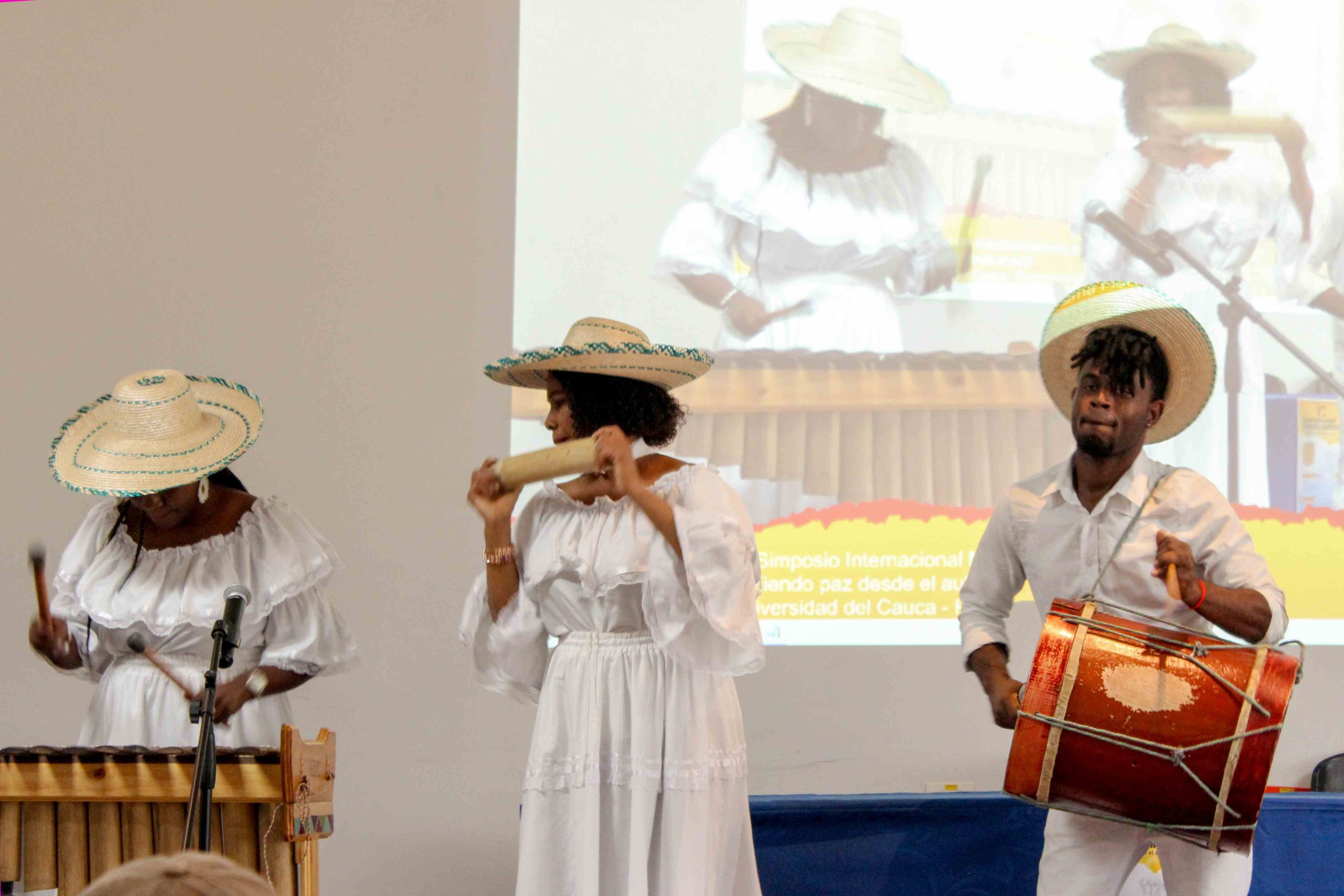
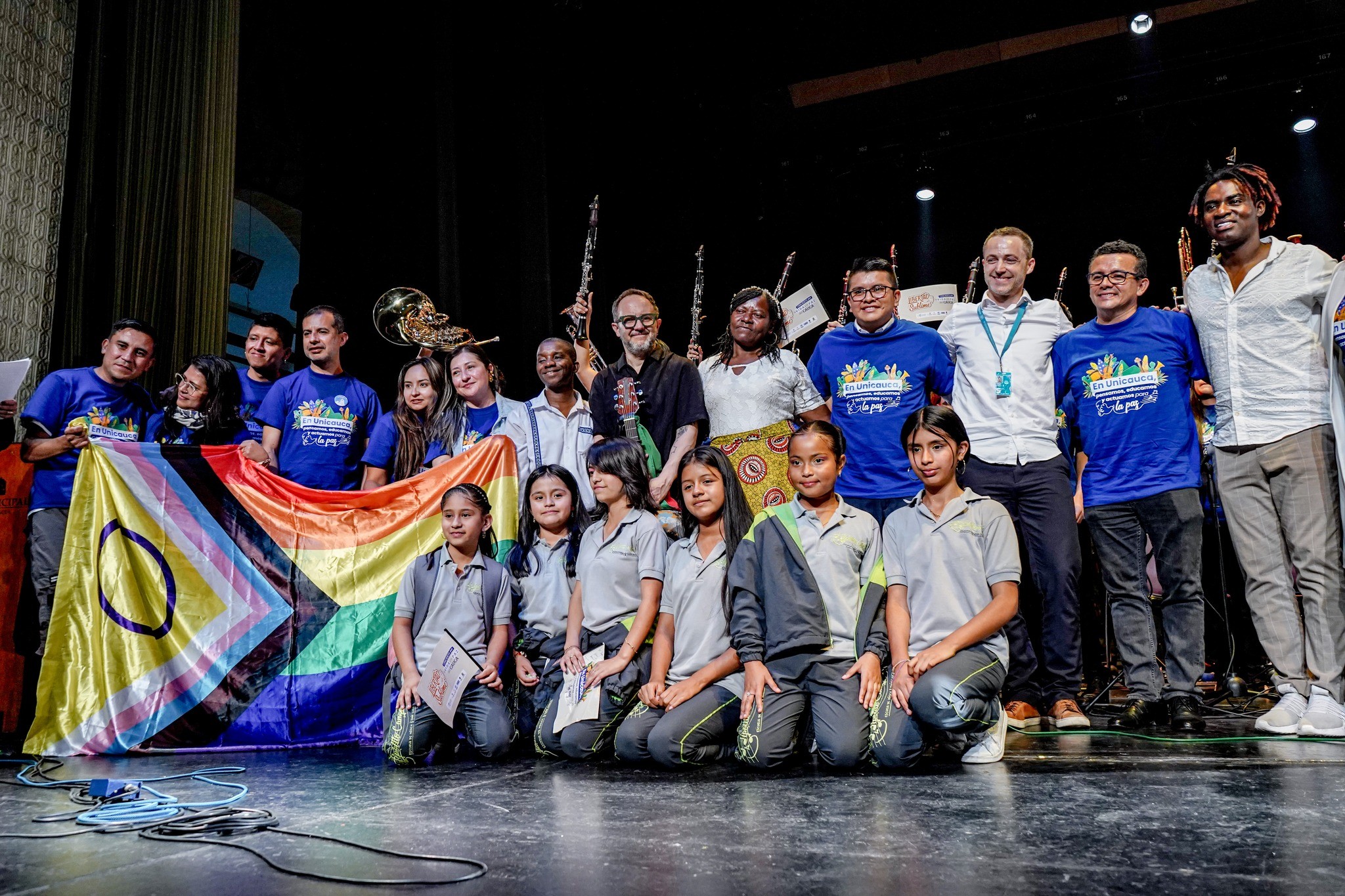
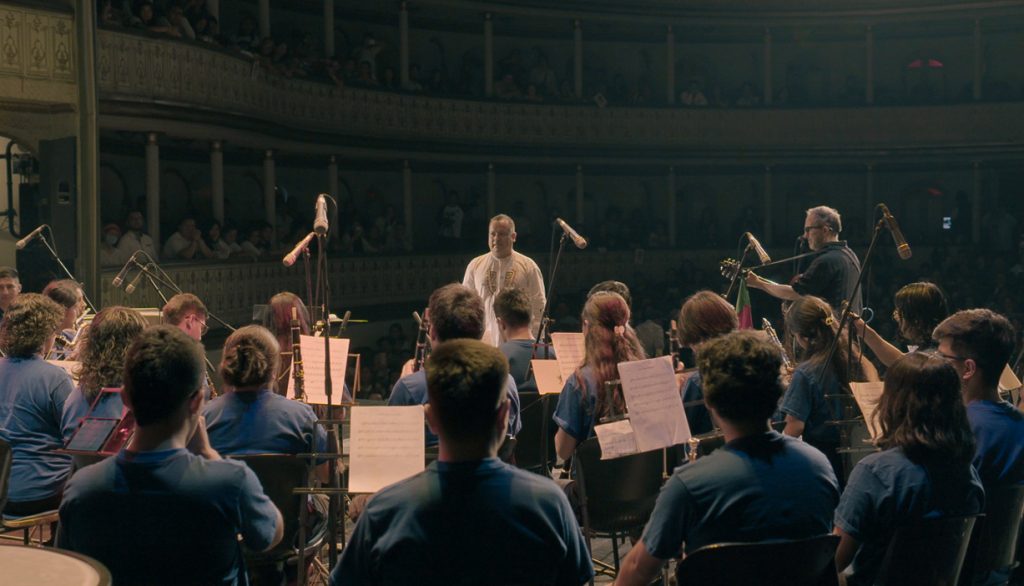
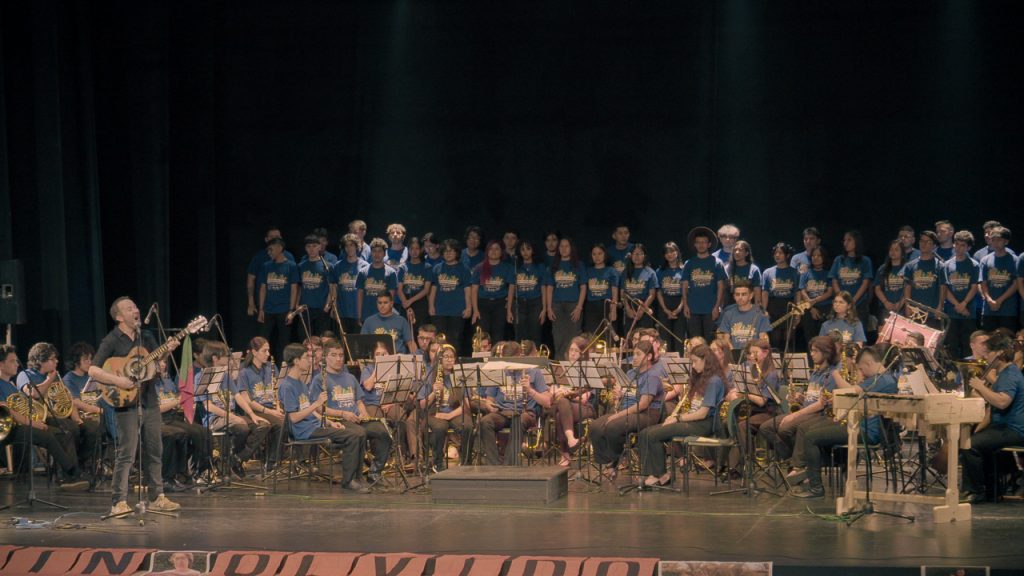
During 2024, the Peace Commission, under the leadership of Professor Diana Patricia Pito, strengthened the University’s alliances. This included participation in the SUE Governance and Peace Roundtable, which coordinates efforts among public universities to address the country’s challenges. In addition, an agreement was signed with the Unit for the Search of Persons Deemed Disappeared (UBPD), in force until 2028, promoting processes of citizen participation and collective memory. In September 2024, the concert “Sublime Freedom” brought together more than 800 people, including members of the university community, artists, victims’ organizations, and national ministries, using music as a call for peace despite the resurgence of conflict. Later that same year, in October, the VII Symposium on Memory, Conflict, and Peace focused on youth and diversity, opening an international dialogue on peace experiences and consolidating the University of Cauca as an academic reference in these fields.

Foto EnClaveBicentenario para un mañana mejor: sembrando PAZ con conocimiento y compromiso al servicio de la región
Provided Photo.
Foto Jaidiver Ojeda
Provided Photo.

The FISH Program, for its part, has developed at least 30 elective courses focused on the Final Report of the Truth Commission. Through these courses, it has trained faculty members and students in human rights, memory, and reconciliation approaches, ensuring that knowledge transcends the academic sphere and becomes a tool for addressing conflict and building a peaceful future. Professor Jaidiver Ojeda Insuasti noted: “This process of socialization and dissemination has taken place in classrooms, within the various courses of the FISH program, but also during the International Symposia on Memory, Conflict, and Peace, which this year reaches its eighth edition. Through these spaces, we have developed social, academic, and research initiatives and dialogues around peacebuilding efforts in artistic, technological, and social dimensions that are currently unfolding in the country. This has been one of the commitments we have assumed in order to understand how violence has evolved over time, but also to recognize the peace initiatives and the efforts toward truth and memory that are being carried forward today by victims and social organizations.”

Currently, the Peace Commission of the University of Cauca, led by Professor Luis Alfredo Londoño and his team, promotes diverse activities to strengthen a culture of peace within the institution. Complementarily, they are developing actions to influence the region, such as the alliance with the Coalition against the Recruitment of Children and Youth into the Armed Conflict in Colombia (COALICO). This partnership has made it possible to implement a prevention strategy aimed at protecting students from the dynamics of war and establishing bridges of dialogue and care with those who have been affected by it.

It is crucial to highlight that, within the framework of the third axis of the Institutional Development Plan, “For a Supportive University Committed to its Environment,” initiatives such as PTIES (Immediate Transition to Higher Education Program), units such as CECAV (Center for Continuing, Open, and Virtual Education), mechanisms such as the special admission quota for victims approved by the Superior Council, and the academic offer in Cauca’s Pacific region, particularly in Guapi, converge toward a shared horizon: contributing to peacebuilding by facilitating access to high-quality public higher education in historically excluded territories. In this way, education stands as a driving force for reconciliation and equity.

Foto EnClaveBicentenario para un mañana mejor: sembrando PAZ con conocimiento y compromiso al servicio de la región
Provided Photo.
Foto EnClaveBicentenario para un mañana mejor: sembrando PAZ con conocimiento y compromiso al servicio de la región
Provided Photo.

The presence across the territory has been strengthened through projects led by research groups that generate solutions for communities, transfer knowledge, and build social fabric in different regions of Cauca. In this regard, Dr. Deibar René Hurtado Herrera, Rector of the University of Cauca and leader of this institutional roadmap, shares a special message: “I want to deeply thank students, professors, graduates, and staff because, through their daily efforts, they have made the University of Cauca a key actor in the pursuit of peace from this territory, from this Cauca. Therefore, my message is one of recognition and invitation: on the road to the bicentennial, let us continue building peace together from Cauca with a supportive, inclusive, and transformative University of Cauca. Because every class, every project, and every action in our territories is also a step toward the peace we long for—because we are heritage of all.”

The Peace Commission, in coordination with the Office of the Rector and the Center for Communications Management, has worked jointly to express, through official statements and press releases, a firm rejection of the acts of violence that have affected our university community, the municipalities of Cauca, southwestern Colombia, and the citizens of our nation. In doing so, the University makes visible a voice of solidarity with the victims while also issuing a call to the competent authorities to adopt the necessary measures to curb violence, guarantee the right to life, and ensure the right to live in peace. In the same spirit, this house of thought has reiterated its willingness to place its knowledge and expertise at the service of society, with the aim of consolidating itself as a space for encounter, dialogue, and consensus-building, and thus to move forward toward the shared aspiration of the people of Cauca and of all Colombians: to build a country at peace.

Foto EnClaveBicentenario para un mañana mejor: sembrando PAZ con conocimiento y compromiso al servicio de la región
Provided Photo.
Foto EnClaveBicentenario para un mañana mejor: sembrando PAZ con conocimiento y compromiso al servicio de la región
Provided Photo.

With every action, the University of Cauca not only reaffirms that it thinks, acts, and educates for peace, but also decisively fulfills the third axis of its Institutional Development Plan, “For an Excellent and Supportive University.” In doing so, it demonstrates that academia not only prepares professionals, but also citizens committed to life, justice, and reconciliation. Our institution offers itself to the region and the country as a house of thought that reaches its Bicentennial strengthened and with the unwavering certainty that its mission transcends the classroom.

The University of Cauca, which is and will continue to be #HeritageOfAll, works with conviction, hope, and determination for and on behalf of Cauca, accompanying Colombia’s collective dream of building a future where peace is a real and shared right for everyone.

Written by: Communications Management Center​

Institution with High Quality Accreditation for 8 years, resolution MEN 6218 of 2019 - Vigilada MinEducación

  • Aumentar letra
  • Reducir letra
  • Aumentar Espaciado
  • Disminuir Espaciado
  • Escala de Grises
  • Contraste
  • Fuente Dislexia
  • Agrandar Cursor
  • Resaltar Enlaces
  • Restablecer
  • Centro de relevo

Universidad del Cauca

NIT. 891500319-2

Address: Calle 5 # 4 - 70 | Popayan, Colombia

Telephone: +57 (602) 820 9900

Toll-free: 018000 949020

Requests, Complaints, Claims, Suggestions and Congratulations
Email: ventasreclamos@unicauca.edu.co

Judicial notifications
Email:processes@unicauca.edu.co

Follow us on:

Institution with High Quality Accreditation for 8 years, resolution MEN 6218 of 2019 - Vigilada MinEducación