¡Teaching from the heart! The power to transform lives, through vocation
¡Teaching from the heart! The power to transform lives, through vocation
9 March, 2026
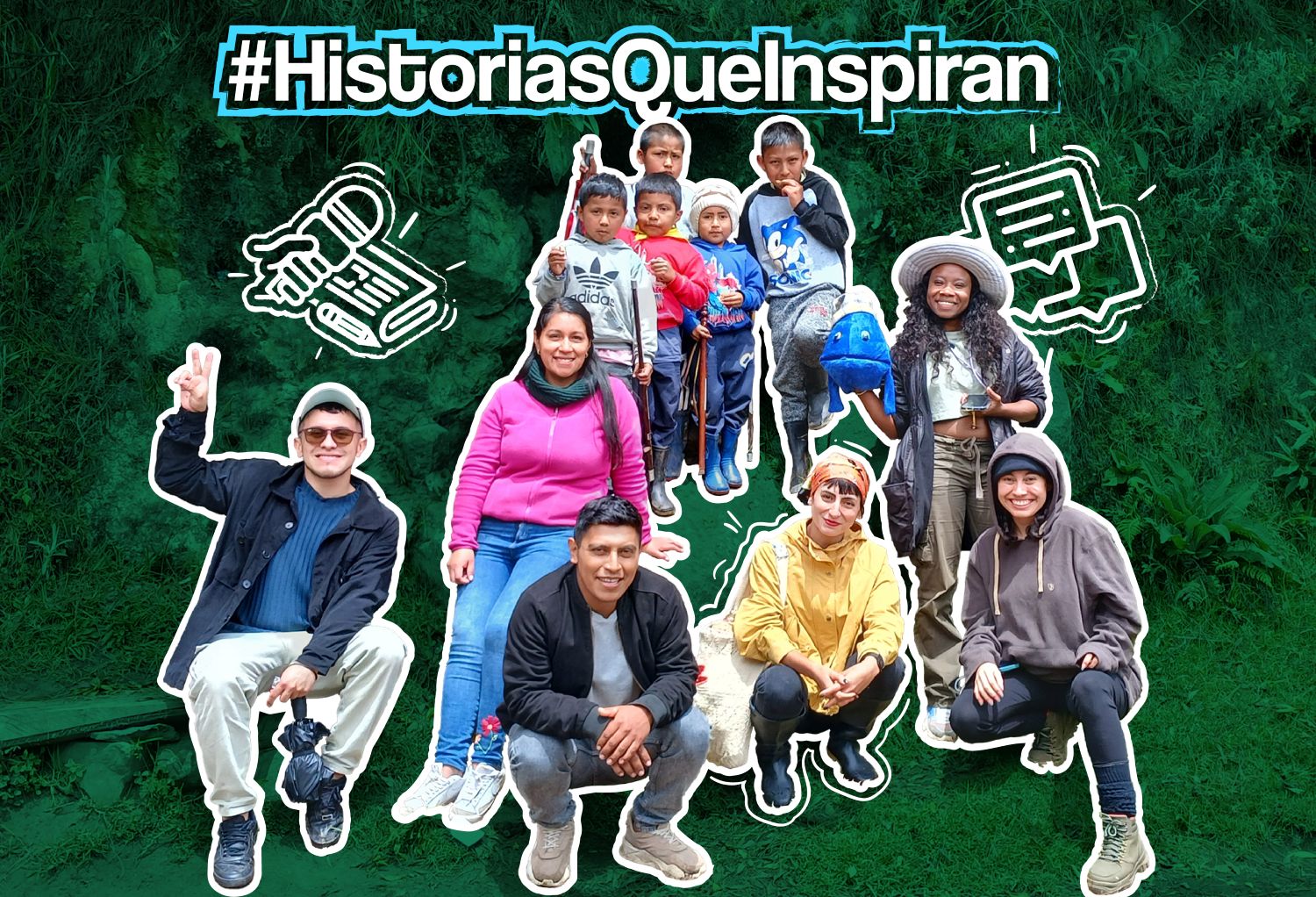
For this house of thought that is #HeritageOfAll, there is a date that especially embodies its mission and commitment to society: Teachers’ Day! Thus, to commemorate it, for the second consecutive year we launch the special #HistoriasQueInspiran, a series that seeks to highlight the work of professors through moving stories that reflect the transformative impact of education. On this occasion, and to start the 2025 edition on the right foot, we feature Professor Andrea Calderón Villarreal as our protagonist, a talented woman whose story invites reflection on how, from the classroom and beyond, those dedicated to educating others impact the lives of their students.
In the immense and diverse universe of education, there are moments that shape the destiny of those who dare to dream big. Thirteen years ago, on a day that seemed like any other, an extraordinary story began to take shape in the classrooms of the Department of Social Communication at the University of Cauca. At that zero hour, when the clock marked the beginning of a new chapter, Andrea Calderón Villarreal walked through the doors of her alma mater, this time not as a student, but as the guide she had dreamed of becoming since she was very young.
A graduate of this very program, her academic journey led her to explore new frontiers of knowledge at the Simón Bolívar Andean University in Quito, Ecuador, where she earned her degree as a Master’s in Cultural Studies with an emphasis on Arts and Visual Studies. Today, as a doctoral candidate in Ethnobiology and Biocultural Studies at Unicauca, Andrea has become that approachable professor who returned more than a decade ago to the institution that shaped her, to bring her dreams to life and share her passion for knowledge.
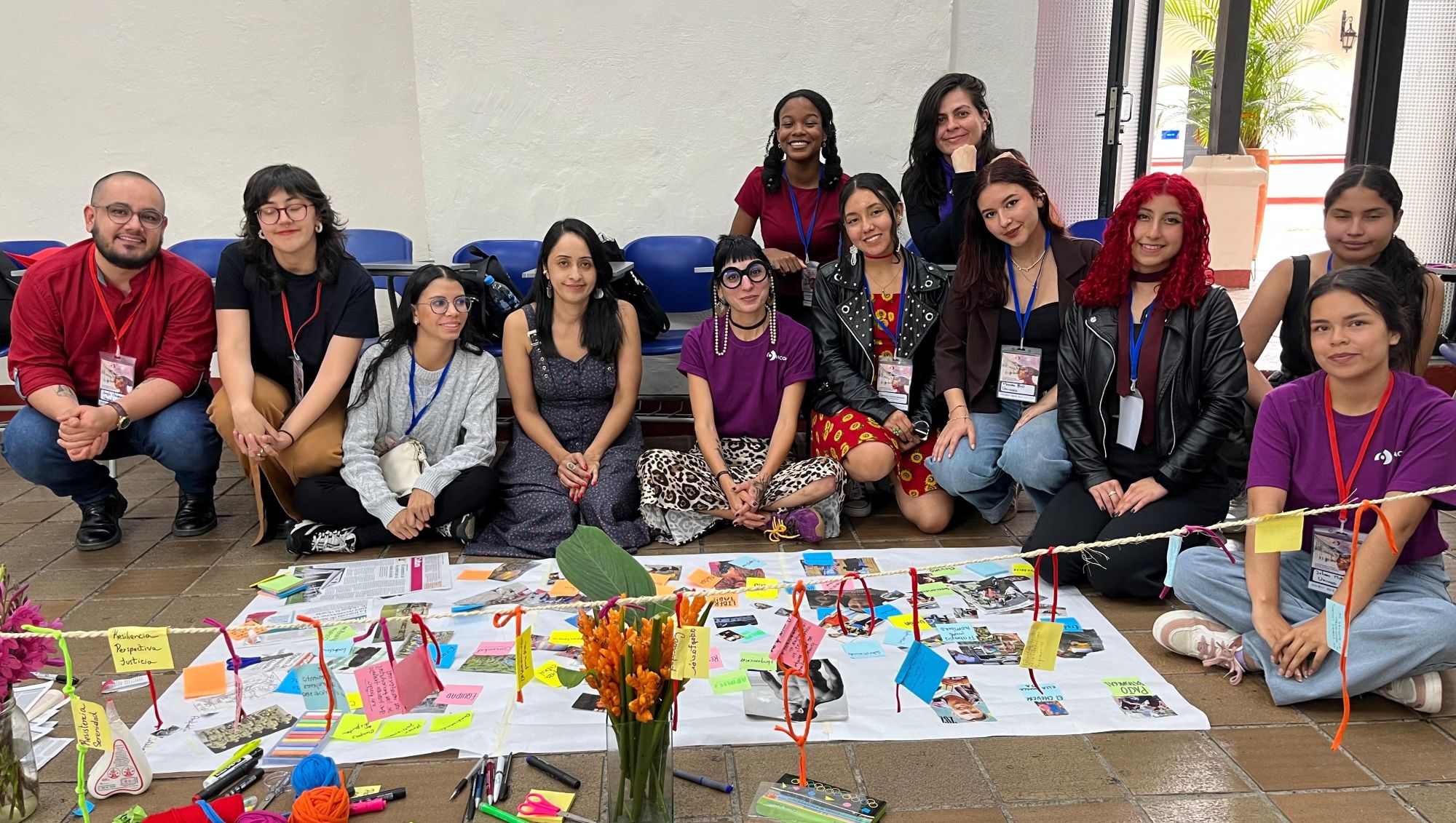
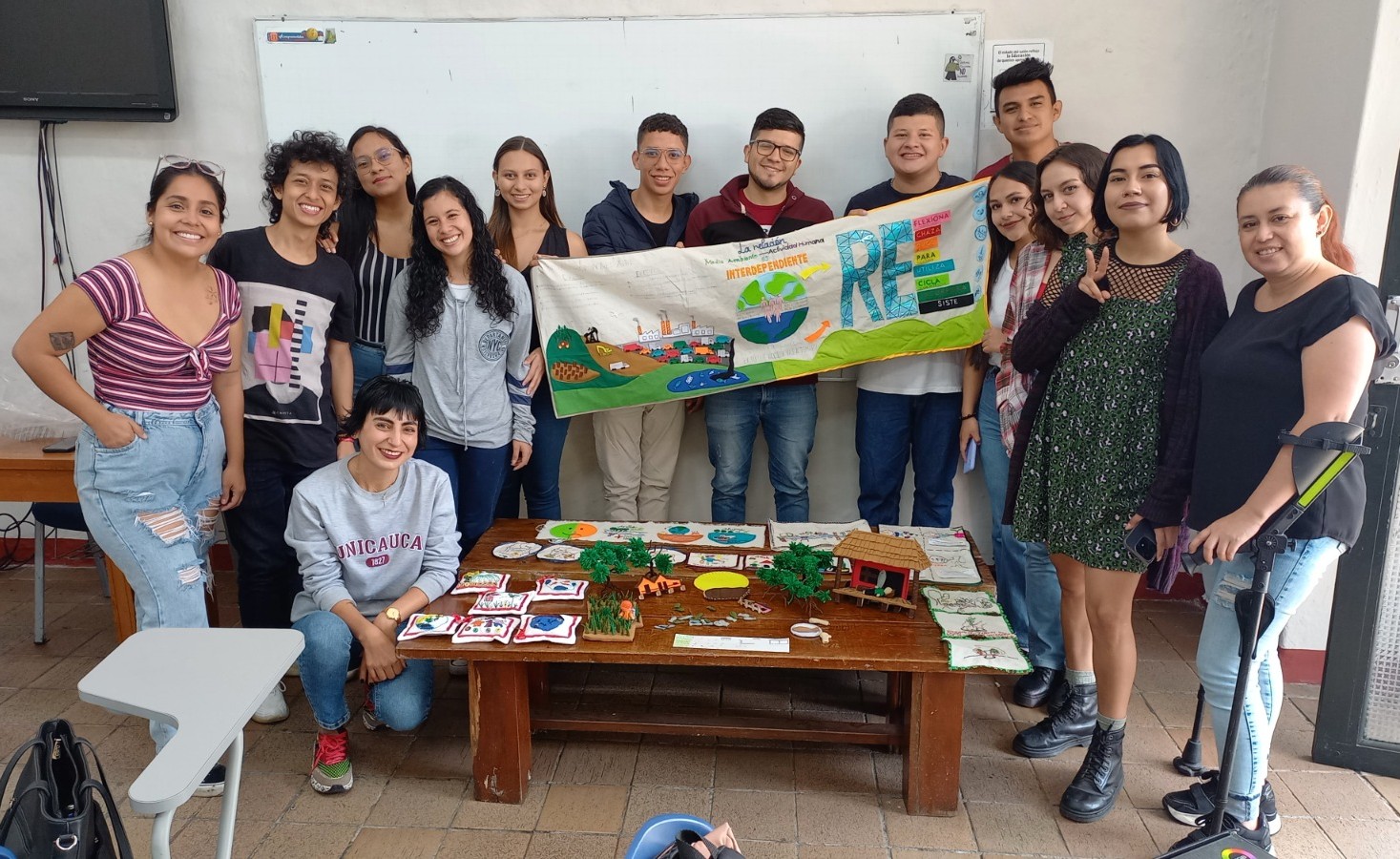
And in her classes, she does not only teach; she creates a space where Communication Theories intertwine with aesthetics and art. From Artistic Electives to Audiovisual Appreciation and Aesthetics and Media Production with an audiovisual focus, this professor invites her students to explore not only academic content, but also to discover their own creative potential.
Provided Photo.
Provided Photo.
Her journey is an inspiring testament to how returning home can also be an act of generosity toward those seeking to find their voice in the world. Her story invites us to reflect on how, behind every professional choice, there are usually multiple influencing factors, such as family environment, academic performance, or close role models.
And as happens in many cases, there is almost always an experience that sets the course, and for Professor Andrea, that moment came when she was just a child. “My first approach to teaching was when I was about eight years old.
At that time, I lived in a rural area with my mother and attended the local school. Racism and mistreatment by teachers toward students were constant and normalized practices. There was a girl, the daughter of a friend of my mother, whom the teacher repeatedly scolded and punished by forcing her to kneel on corn kernels for not learning or not understanding; but the problem was not the girl, the problem was the way the teacher taught. So in the afternoons, when the girl and her mother came to my house, we played school and I explained things that we had been taught… through play, the girl was very receptive. Then, every achievement of the girl made me happy; it was a confirmation that the problem was not her, the problem was the system. Obviously, I understand that now, because at that time all that made me happy was playing teacher.”
It is therefore clear that Professor Andrea had, from a very young age, a special sensitivity toward teaching, and years later she was given the opportunity to work as a professor at the University of Cauca, which she saw as a way of sharing and giving back what she had received. Since then, she has sought to teach with affection and generosity, aiming for her students not only to acquire knowledge, but also to gain meaningful life lessons that allow them to reflect on who they are and who they wish to become.
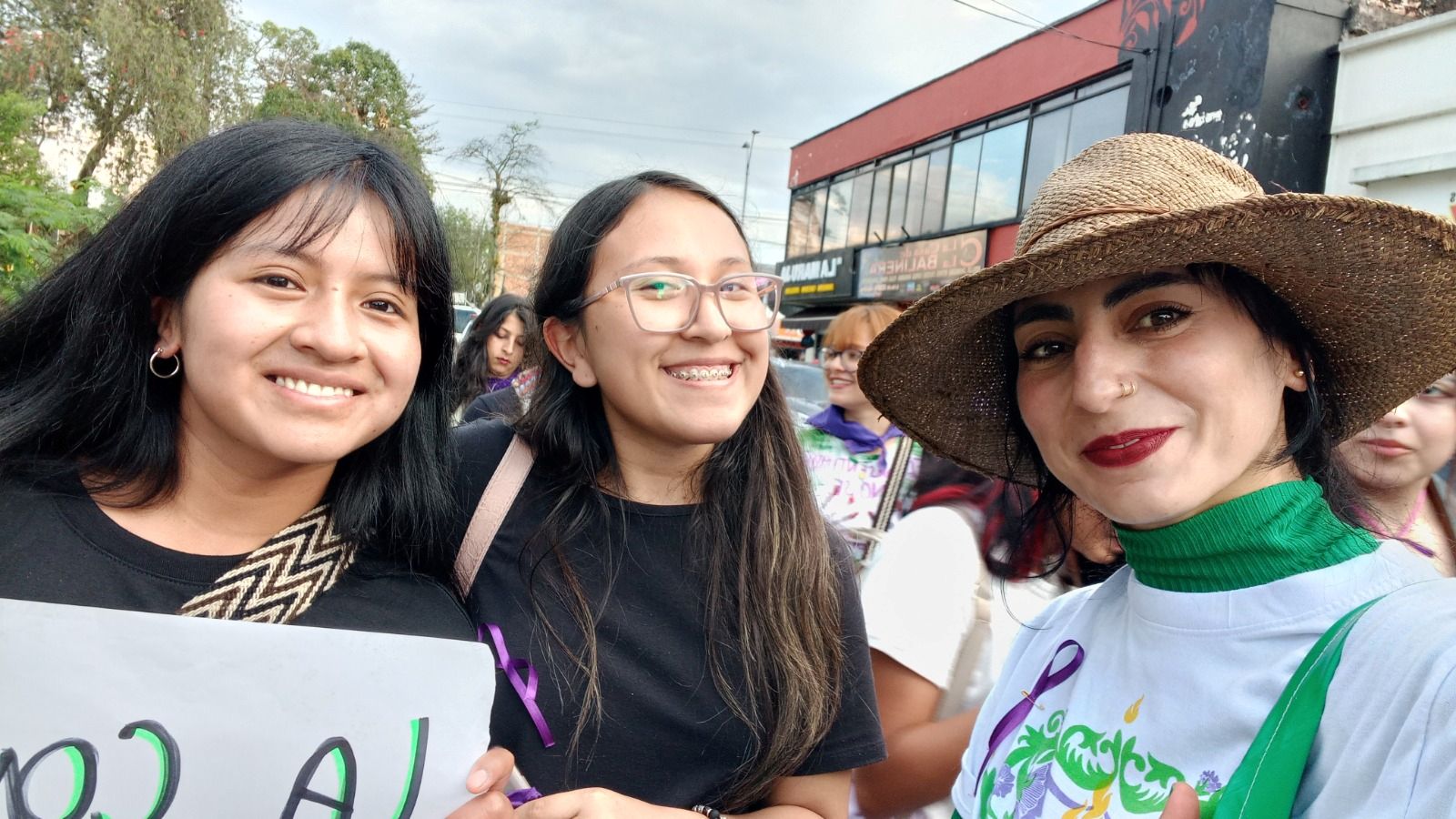
“Being a professor has given me so much; it has allowed me to rediscover myself as a person and has compelled me to take political positions that I previously did not feel it was necessary to take. One of the beautiful things that being a professor has given me, or that I am grateful for, is having recognized myself as a feminist. That is, finally having the voice to say ‘I am a feminist,’ and that emerges from an ethical commitment to my students, because I believe it is important to be able to contribute from life itself, through perspectives and viewpoints that allow us to understand ourselves as complex beings, as beings immersed in contexts that require us to take a stand, diverse beings who also enable us to find, in some way, diverse scenarios and spaces for listening and healthy conflict.”
This talented woman reminds us that higher education not only transforms the lives of students, but also transforms the lives of professors, while allowing them to discover their own passions, struggles, and causes.
Provided Photo.
Provided Photo.
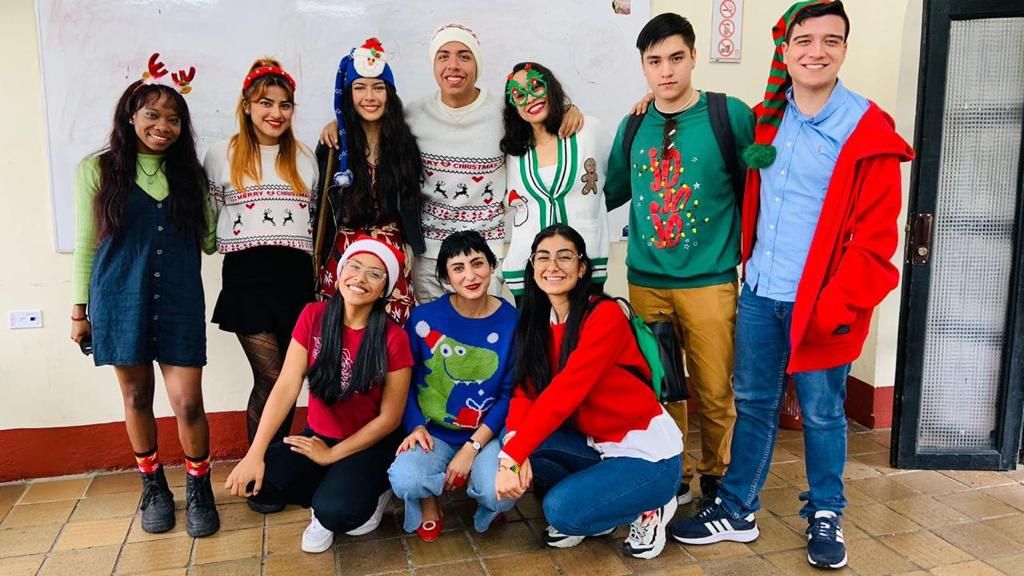
For this reason, for this Unicaucana, teaching is a deeply human experience that involves bonds similar to those of a family, with affections and tensions alike, as she has witnessed substantial and meaningful changes in her students, from those who initially show rejection and later become close and receptive, to young people she welcomes in their very first class, highly disconnected at first, but who eventually grow into professionals, carrying with them something of what was shared in the classroom.
“I believe that being a professor is a dignity. I believe I will be grateful for my entire life to those who gave me the opportunity and who continue to give it to me. I believe this is a profession that is not about practicing it for a while; I believe that when one decides to enter this universe of being a professor, one does so for life. And for me, the strongest message is that one must teach with care, that one must teach not necessarily what one believes, but taking into account those whom one is going to teach, considering their worlds, which do not always coincide with our own. And I believe that from love, from creativity, and from committed work, we truly reclaim this position of being professors.”
There is no doubt that Professor Andrea enjoys her work because it allows her to explore, play, and transform complex content into approachable and meaningful learning, using creative and artistic methodologies that turn theory into an applicable and enjoyable experience. She also values the support of her colleagues, who have backed initiatives such as Artistic Electives focused on comics, graphic novels, textile storytelling, and a gender perspective, enabling her to work in a collaborative environment that enriches pedagogical processes and fills them with meaning.
“For me, Teachers’ Day, or Professor’s Day, is a day that fills me with pride; it is a day that makes me feel fortunate to practice this profession, makes me feel important, and also generates in me a commitment to the University and to the students. I believe that professors are people who directly affect the lives of those who are their students. My life was shaped by very special teachers who helped form who I am today as a person and as a professional. Feeling seen, recognized, and valued made me want my students to feel that way too. Among other names are professors Lucila, Dilia, Socorro, Amparo, Irma Piedad, Olga Patricia, Piedad, Rosemary, Olga Lucía, and professors Nelson and Guillermo, among so many others,” she concludes emotionally, recognizing and highlighting the mark left by other women and men teachers in her own life.
Thus, we begin these #StoriesThatInspire in their second year; a series that gives voice to stories that often remain in the shadows, yet shine brightly when they are told and shared with more people. The story of Professor Andrea is a living example of this: an educator whose dedication, creativity, and humanity have left an indelible mark on the lives of her students. In an institution where true heritage lies in its people, it is an honor to recognize professionals like her. Happy Teachers’ Day, Professor Andrea! Thank you for teaching with your heart in this home that is #HeritageOfAll, and for reminding us that every lesson goes far beyond the classroom.