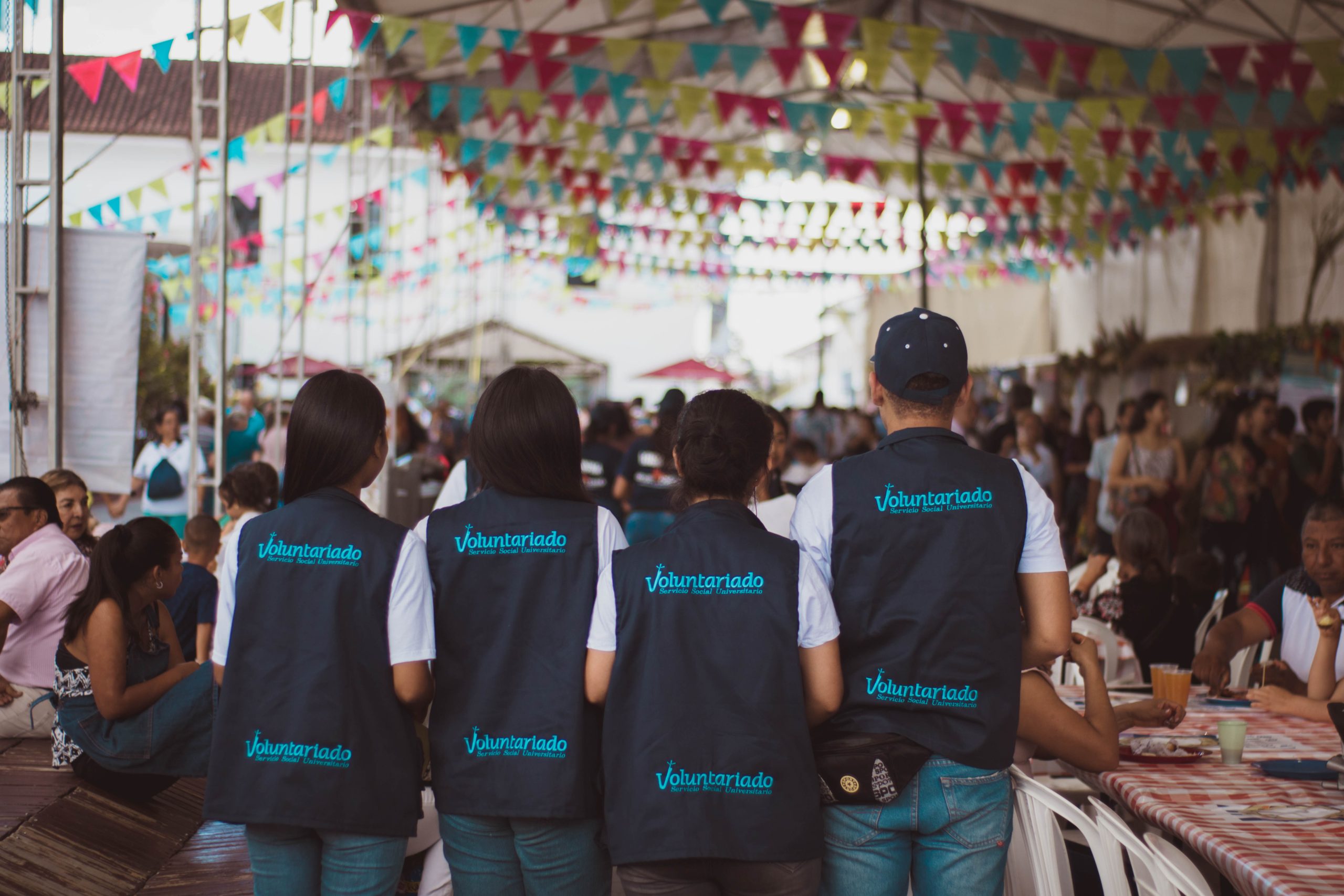
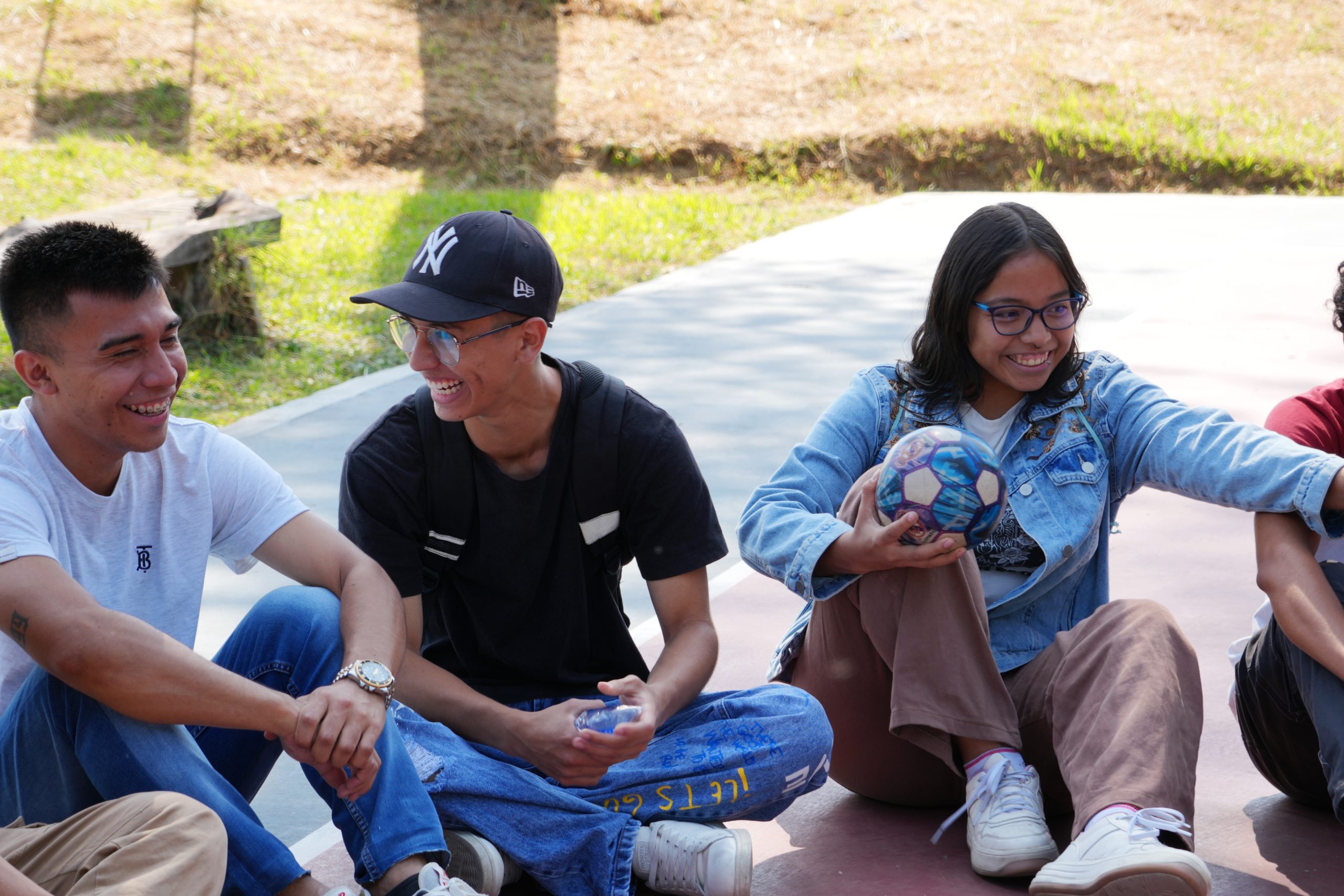
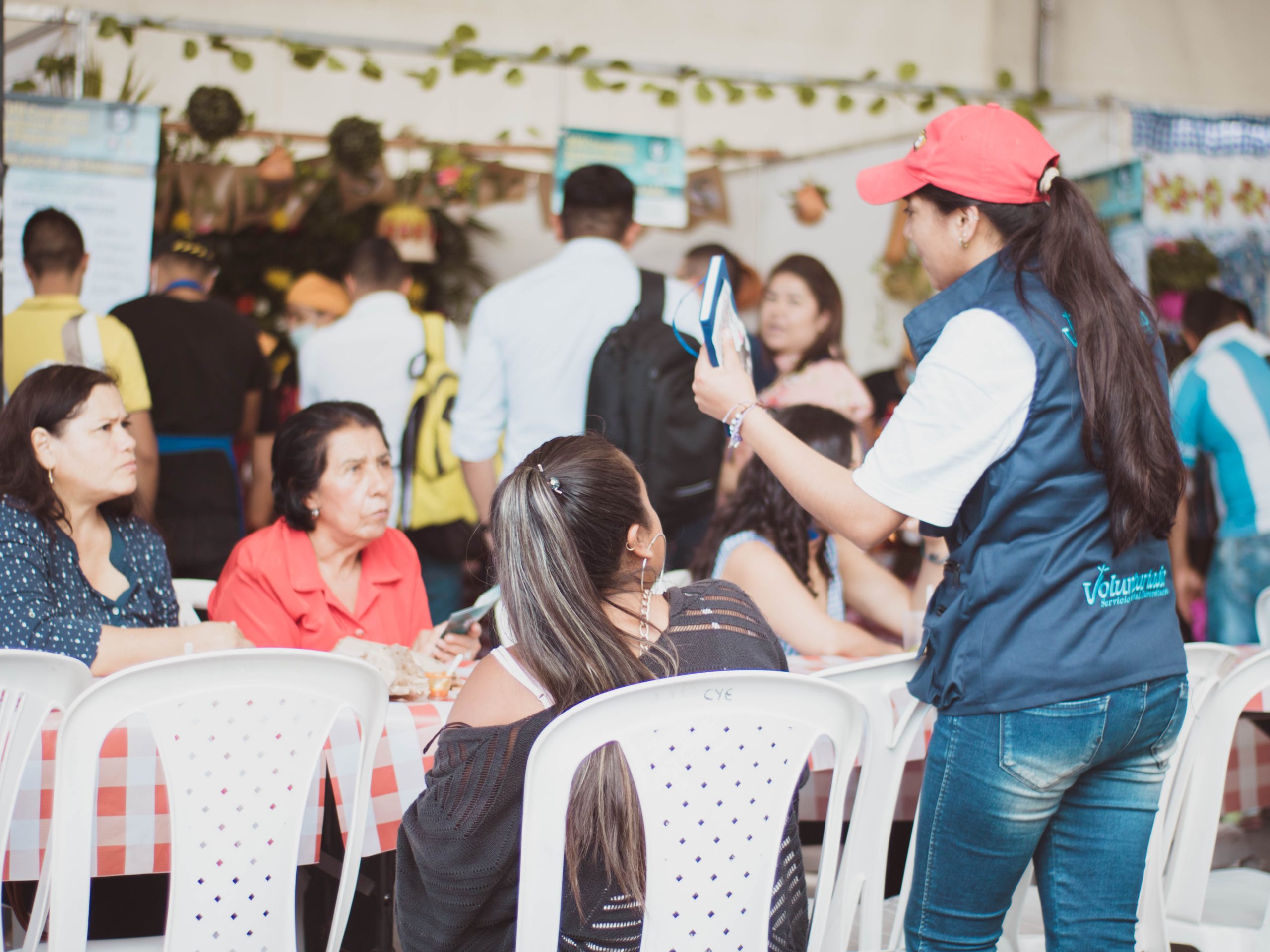
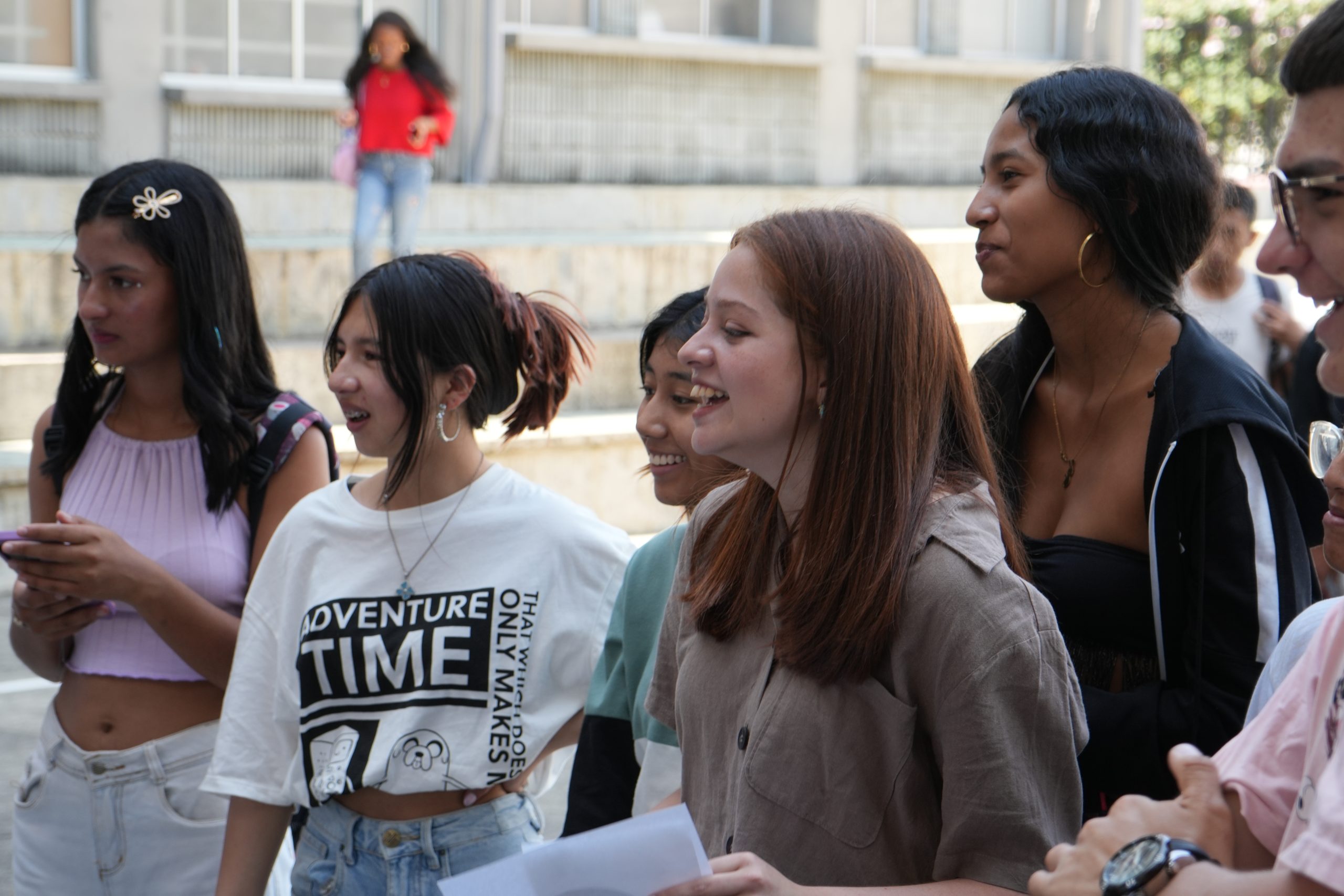
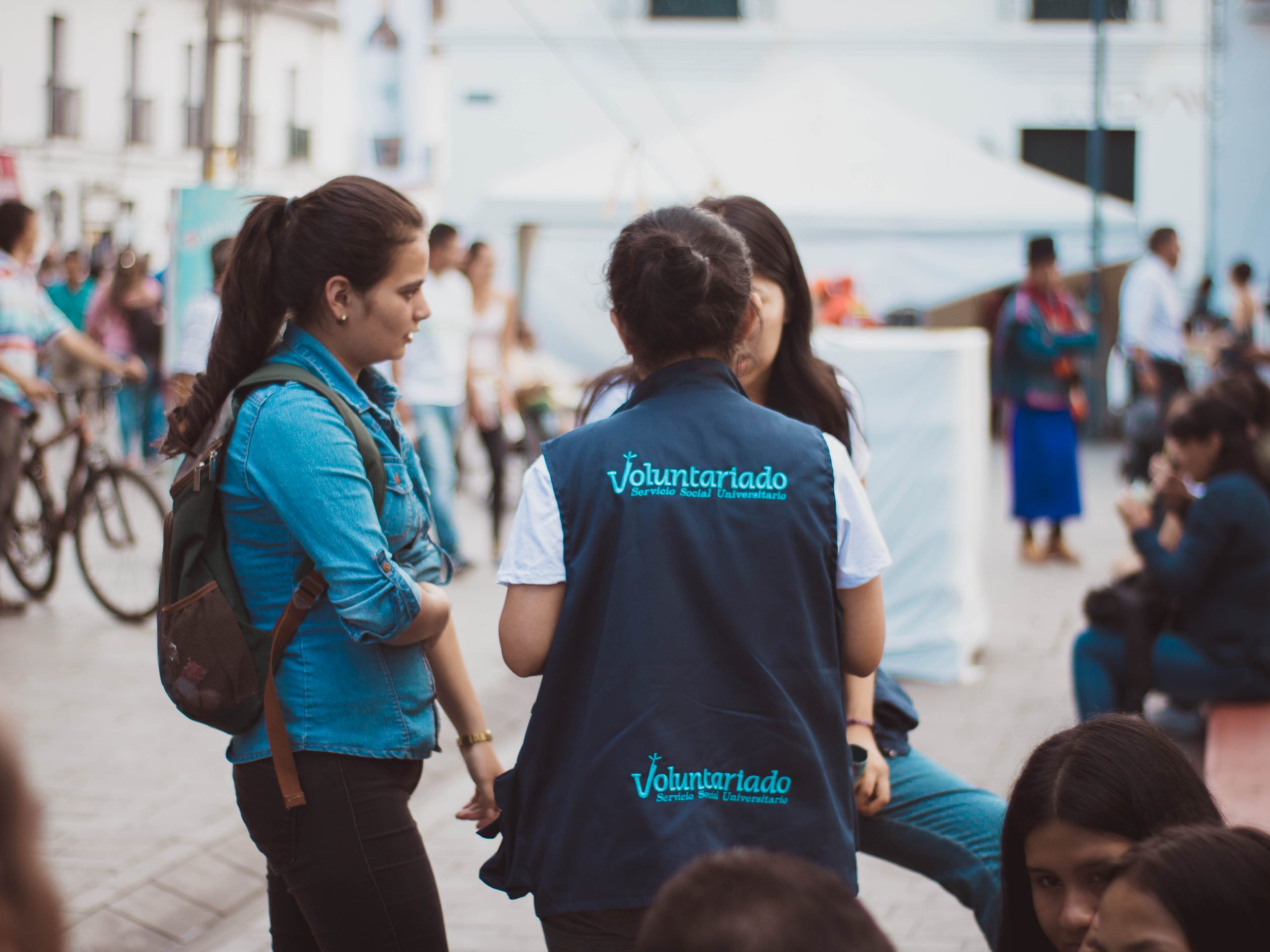
The University Social Service Volunteer Program is an activity that provides students with a training process encompassing technical, social, and political dimensions. It is aligned with the educational principles described in the mission of the University of Cauca, which emphasizes comprehensive education, and with the University’s vision, which highlights the institutional commitment to educating well-rounded, ethical, and socially responsible individuals.
Accordingly, the concept established in Agreement 018 of August 2, 2012 may be defined as follows: Volunteer service is defined as the set of activities carried out in the public interest by natural or legal persons, who voluntarily and freely provide services to an organization, the community, or the environment, by virtue of a voluntary civil relationship.
Therefore, when discussing the social sphere, particularly the creation of a volunteer program as an opportunity for well-being and social interaction, it is evident that the responsibility assumed by each student volunteer in promoting participation through social practices is significant. “University volunteering is a political decision made consciously and with full autonomy by the University. This decision implies understanding volunteering as one of the driving forces of the University’s mission” (Ojeda, 2013, p. 2), which can subsequently be integrated into learning through social projects. “It is important to emphasize that effective volunteer management is not merely the application of knowledge by volunteers, but also the recognition of the project as a learning opportunity. However, this is not a distinctive feature of university volunteering. Rather, it is a distinguishing characteristic of service-learning or project-based learning through social initiatives” (p. 2).
Who participates in the University Social Service Volunteer Program, and with whom do they work?
The University of Cauca, at the institutional level, establishes the University Social Service Volunteer Program for undergraduate students as a flexible and comprehensive educational option. Through partnerships with governmental or non-governmental organizations at the national, regional, municipal, or special territorial jurisdiction levels (Indigenous and Afro-Colombian authorities), as well as with the productive, professional, business, and cultural sectors, and within the University of Cauca itself, students may participate in voluntary social service projects and activities that are aligned with their academic program and contribute to the development of society.
In this regard, volunteering may be understood as a voluntary option available to any student who wishes to work, free of charge and in solidarity, for the common good through a selected opportunity. In this sense, the Agreement states: “Volunteering transcends the limits of paid employment and ordinary social responsibilities, grounding its meaning in the humanitarian, supportive, and compassionate spirit of those who carry out such activities for the benefit of society, convinced that their work is valuable both for humanity and for themselves.”
Policy and Guidelines Document
“Legislating Volunteering under Law 720 of 2001”
Among the legal frameworks that support volunteering in Colombia is Law 720 of 2001, also known as the Volunteering Law, together with the definition it establishes: “Volunteering reflects a growing awareness of social responsibility, which has led citizens to play an increasingly significant role in serving the public interest, eradicating situations of marginalization, and building a supportive society in which all citizens enjoy a more dignified quality of life.” This definition appears to provide a strong foundation for the concept of volunteering, recognizing citizens who work for the benefit of causes or issues of public interest with the specific purpose of serving the community. As stated by Vargas (2013): “Volunteering is the set of activities of general interest carried out by natural or legal persons, who provide services to the community by virtue of a voluntary civil relationship.”
Accordingly, the twenty-first century presents new spaces and opportunities that enable different ways of constructing knowledge, involving new forms of learning in which the University assumes a leading role. This requires redefining many of its processes and strengthening its capacity to generate knowledge in response to changing dynamics of power, globalization, broader access to formal education systems, increased life expectancy, and critical levels of social exclusion, among other factors. These circumstances make it necessary to renew the discussion on the role of the University and redefine the values it has achieved, with the aim of contributing to equitable development within a framework of sustainability and social inclusion.
This internal document of the University of Cauca’s University Social Service Volunteer Program establishes the regulations governing the participation of students who wish to join the program. It brings together the guiding principles that define the manner of participation and sets forth the rules governing the program.
Therefore:
Defines the concepts and the rationale for its implementation.
Determines who is eligible to participate in the University Social Service Volunteer Program (SSU), establishes their responsibilities, and defines the rights and duties of both the student volunteer and the requesting organization.
Defines all the processes and procedures established for students who wish to become part of the University Social Service Volunteer Program (SSU). It sets out the participation requirements and mechanisms, as well as the framework for engagement with the different organizations that request volunteer support. In this way, the internal Volunteer Program document becomes a guiding framework that defines the identity of the University Social Service Volunteer Program (SSU) and supports its effective implementation within the Alma Mater. Accordingly, it must be shared and presented to students who wish to join as volunteers, while also serving as the institutional framework for the University Social Service Volunteer Program (SSU) before the governing bodies of the University of Cauca and the community at large.
Regulatory Framework for the Social Service Volunteer Program
Law 720 of 2001. Article 1. The purpose of the Volunteering Law is to: (a) promote, recognize, and facilitate voluntary action as an expression of citizen participation, the exercise of solidarity, and shared social responsibility; (b) regulate the activities of volunteers within public or private entities and govern their relationships. This article embodies the aspirations of volunteer groups and organizations that, through many years of service, have sought recognition from the State and the Government as a positive and active force contributing to the pursuit of a country capable of providing equal opportunities for all citizens.
Agreement 018 of August 2, 2012, issued by the Academic Council, states: Education at the University of Cauca is conceived, in accordance with its mission, from the perspective of comprehensive education, and its Vision highlights the institutional commitment to educating well-rounded, ethical, and socially responsible individuals.
And in the legal and statutory provisions established in Article 31 of Agreement 105 of 1993 and Agreement 036 of 2011, which adopts the Academic Statute of the University of Cauca.