• Aumentar letra
  • Reducir letra
  • Aumentar Espaciado
  • Disminuir Espaciado
  • Escala de Grises
  • Contraste
  • Fuente Dislexia
  • Restablecer
  • Centro de relevo

Encuentra lo que necesitas en segundos. Explora, descubre y obtén respuestas rápidas. ¡Comienza tu búsqueda ahora!

Faculty of Humanities and Social Sciences


Comprehensive, Social, and Humanistic Education Program (FISH)

The Comprehensive, Social, and Humanistic Education component – FISH was established through Agreement No. 004 of August 16, 2006, and is conceived as a cross-cutting component across all undergraduate programs of the University, with the aim of contributing to the education of professionals who are aware of their civic and cultural processes, their history, and their environment, in order to foster critical thinking regarding the issues facing the country and the world.

The University “is a cultural project with a vital and ongoing commitment to social development through critical, responsible, and creative education”; likewise, its Vision emphasizes “the education of well-rounded, ethical, and supportive human beings, thereby contributing to the development of a just and equitable society.”

Its objective is to contribute to the construction of an academic community among students from the different programs through shared spaces that enable interaction around social and human dimensions, contributing to the comprehensive education of the student community.

IMG_2312

FISH has three thematic areas, as follows:

Society, Ethics, and Politics: It provides historical, anthropological, sociological, political, and cultural knowledge about the social reality of the country and the region, in order to enable an understanding and orientation of the very meaning of professional knowledge and its practice as an integral element of the social and human issues that define our reality and its possible transformation. It includes the appropriation of the ethical meaning of human life at both the individual and collective levels, as well as awareness of citizens’ rights and duties as an inalienable exercise of freedom and social responsibility.

Society, Art, Language, and Culture: It develops knowledge of art, language, and culture and their complex social implications. It offers the improvement of communicative and textual competencies, knowledge and respect for linguistic and cultural diversity, sensitivity to forms of artistic and literary creation, and a critical approach to the processes and practices of cultural production and reproduction.

Society, Science, and Technology: This area addresses and provides elements for critical knowledge and practices, from a social, historical, and human perspective, regarding scientific and technological processes. In this regard, it addresses the constitution of the scientific method, the theoretical and socio-historical foundations of the origin, development, and consolidation of the natural, technological, and social sciences within the context of social and cultural life.

Edit (36)

The Basic Principles of the Courses and Activities are:

Icono de Estrategias - Articular la Universidad con las regiones

Open

Que faciliten el influjo de todas las posibilidades de formación, interacción y práctica social.

Flexible

Que permitan la incorporación crítica de nuevos conocimientos, informaciones, métodos y tecnologías, así como las formas de evaluarlos, aplicarlos y entregarlos a todos los usuarios.

Relevant

Que se aproximen a las características del entorno natural y humano, al mundo del trabajo, al contexto social, económico y cultural, a los desarrollos científicos y tecnológicos de hoy, al mundo y la cultura que nos son contemporáneos.

Comprehensive

Que propicien el estímulo y fomento de las diversas potencialidades sociales, intelectuales, emocionales y estéticas de los y las estudiantes, a partir de experiencias formativas que amplíen el horizonte profesional y su desarrollo como ser humano y ciudadano.

Interdisciplinary

Que integren los conocimientos, métodos y técnicas de varias disciplinas y campos de formación.

Innovative

Que se orienten hacia el desarrollo de la autonomía, el autoaprendizaje y la educación permanente.

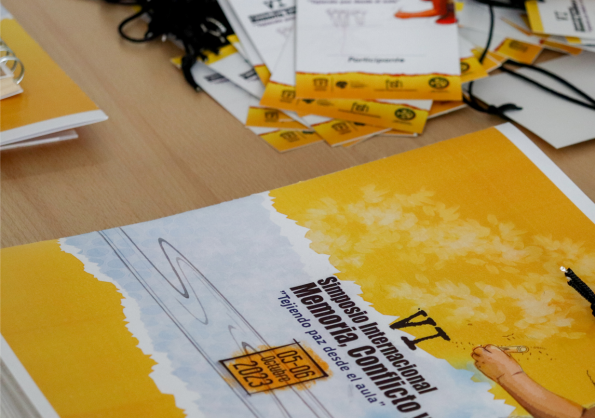
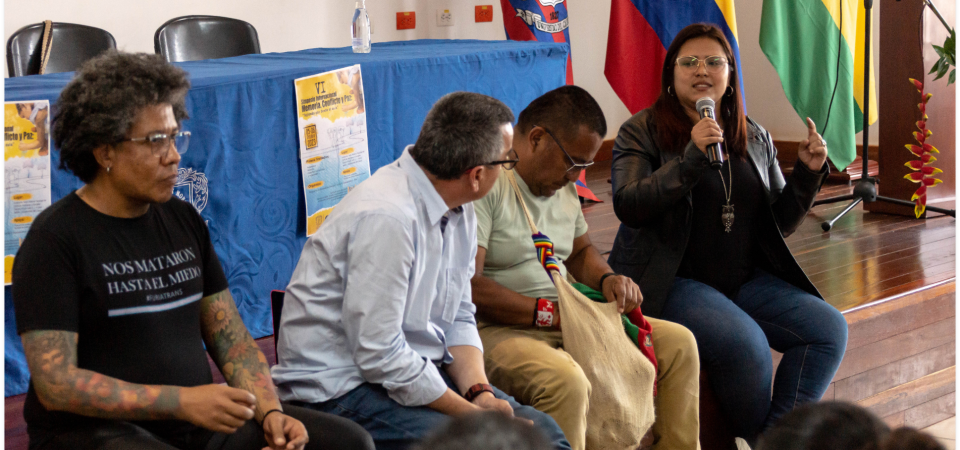
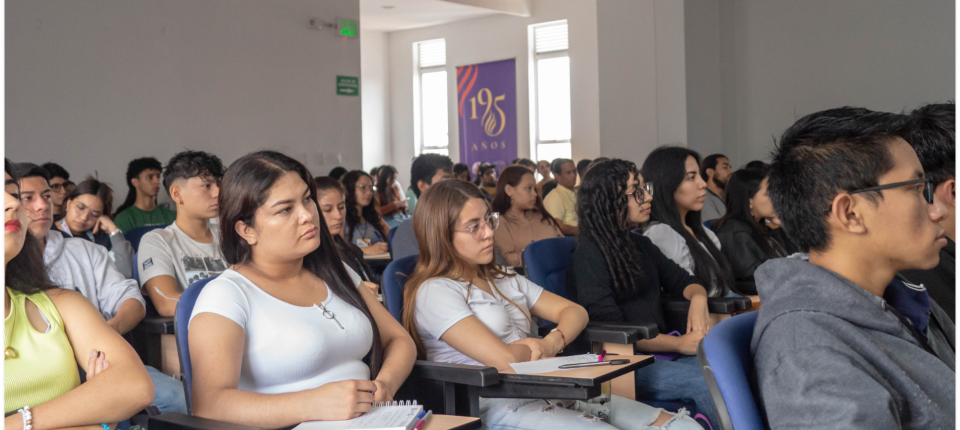
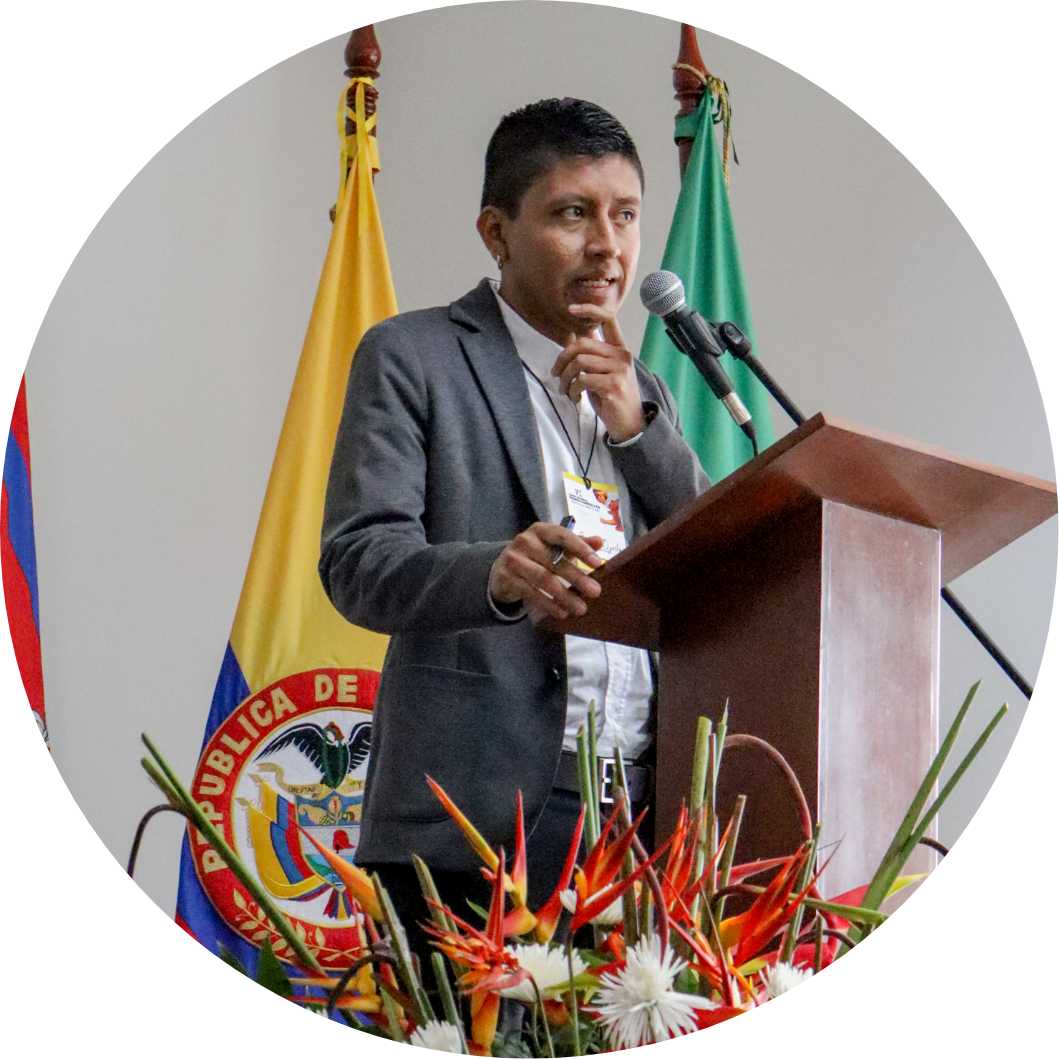
International Symposium on Memory, Conflict, and Peace

The University of Cauca is located in one of the regions most affected by conflict and with some of the strongest organizational efforts in favor of peace and the construction of memory for non-repetition and reconciliation. It is a region marked by a context of new conflicts and possibilities for peace, shaped by pathways of participation and changes concerning structural issues. The Truth Commission delivered its final report on June 28, 2022, bringing together the voices of the actors involved in the conflict and providing an important resource and working material for educational and communication initiatives. Universities play a relevant role in raising awareness and addressing this central issue in the classroom as part of the efforts undertaken by society and the region.

The Comprehensive, Social, and Humanistic Education Program – FISH has been carrying out a series of academic and social engagement initiatives focused on peacebuilding and memory at the University of Cauca and in the region. As one of its commitments, it has undertaken a dialogue with the Truth Commission’s report and the diverse memories of communities, organizations, and victims within the framework of the armed, social, and political conflict that has shaped the history of our country. Experiences, feelings, and reflections have been reflected in the International Symposium on Memory, Conflict, and Peace, which, since 2018, has fostered a dialogue centered on the diversity of knowledge and perspectives on peacebuilding and memory at our University.

The general objective of the Symposium is to enable the university community to engage with, through critical reflection, the various narratives related to memory, truth, peacebuilding, and conflict, generating proposals for transformation toward a culture of peace. Its specific objectives focus on identifying experiences and practices related to memory and peace in the region, fostering a process of coordination and visibility of memory initiatives, and developing educational proposals for classroom work to incorporate this topic at the University.

 
Edit (34)

For further information about the academic calendar, please see the following link:

Jaidiver Ojeda Insuasti

FISH Program Coordinator

Faculty of Humanities and Social Sciences

Contact us, we are ready to provide you with quality service

4th Avenue #4-113 to 4-1, Popayán, Cauca

Phone:

componentefish@unicauca.edu.co

Institution with High Quality Accreditation for 8 years, resolution MEN 6218 of 2019 - Vigilada MinEducación

  • Aumentar letra
  • Reducir letra
  • Aumentar Espaciado
  • Disminuir Espaciado
  • Escala de Grises
  • Contraste
  • Fuente Dislexia
  • Agrandar Cursor
  • Resaltar Enlaces
  • Restablecer
  • Centro de relevo

Universidad del Cauca

NIT. 891500319-2

Address: Calle 5 # 4 - 70 | Popayan, Colombia

Telephone: +57 (602) 820 9900

Toll-free: 018000 949020

Requests, Complaints, Claims, Suggestions and Congratulations
Email: ventasreclamos@unicauca.edu.co

Judicial notifications
Email:processes@unicauca.edu.co

Follow us on:

Institution with High Quality Accreditation for 8 years, resolution MEN 6218 of 2019 - Vigilada MinEducación