The La Sultana Academic and Experimental Center is a facility belonging to the University of Cauca and administered by the Faculty of Agricultural Sciences. It is located in the Urubamba II rural district, municipality of Timbío, at 1,700 meters above sea level, with an average temperature of 18°C, ten minutes from the southern exit of the city of Popayán, and has a total area of 13.5 hectares.
The La Sultana Academic and Experimental Center provides various services, including workshops, academic practices, meeting facilities for the different Faculty Councils and Departments of the University, as well as hosting external academic visits. The La Sultana Academic and Experimental Center is characterized as an integrated agricultural production system, with agricultural production, livestock production, forestry production, and agroindustrial processes. Each system is described below.
Agricultural System
Coffee Subsystem
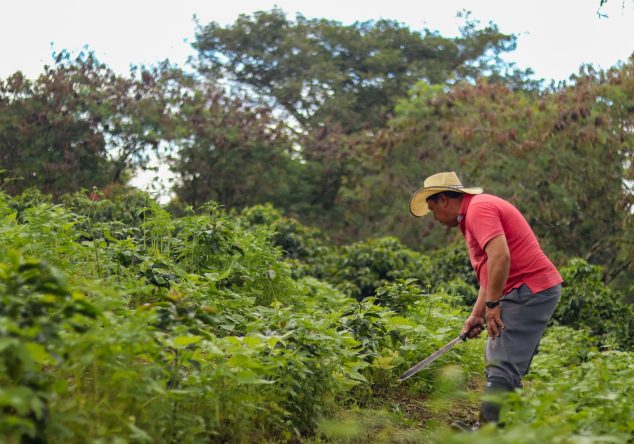
There is a total of 4.9 hectares planted with coffee, of which 3.6 hectares are in production and 1.3 hectares are newly planted. There is an ecological coffee processing system, a by-product management system, and a sample laboratory, all of which are part of the wet coffee processing plant. Additionally, there is equipment for processing coffee in accordance with good processing practices: an industrial huller, an industrial fluid-bed roaster, an industrial grain mill, scales, and an industrial sealer. These pieces of equipment are being used to conduct processing trials on parchment coffee produced at the unit under optimal operating conditions.
Fruit Crops Subsystem
Between 2016 and 2018, 100% of the area designated for fruit crops in the farm’s green area was renovated. A new layout was designed, and new fruit trees were planted, including greater diversity, among which lemons, oranges, mandarins, annonaceous fruits, avocados, sapodilla, figs, jaboticaba, etc. stand out.
Horticultural Subsystem
It consists of horticultural and seasonal crops, where research projects and various degree projects have been carried out.
With the support of students from the Integrated Agricultural Production Systems (SIPAS III) course, medicinal, aromatic, and culinary plants were established, including nettle, lemongrass, spearmint, and pronto alivio. Crop management is based on clean agriculture, using compost produced from by-products on the farm for fertilization, preventive pest management through allelopathic treatments, and formative pruning practices to control pests and diseases.
Livestock System
Silvopastoral Subsystem
A total of 4.7 hectares have been established under a silvopastoral system, achieved with the support of the NUTRIFACA research group through pasture improvement by planting Toledo grass associated with Mexican sunflower and Leucaena diversifolia. The area is currently used for beef cattle in the fattening stage.
Swine Subsystem
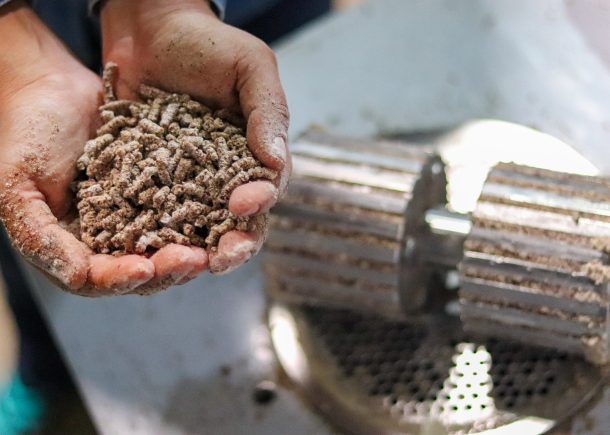
The swine project includes the management of the gestation, lactation, pre-starter, growing, and fattening stages of pigs intended for the market. Yorkshire × Pietrain F1 sows are kept to initiate the reproductive process on the farm. Additionally, we have weaned piglets, as well as pigs that, like the other fattening batches, are purchased from pig farms in the area. Agricultural systems are utilized in an integrated manner (forages, plantains, chayote, some fruits, etc.) to supplement the pigs’ diet. Likewise, the biofertilizer produced by the biodigester is used to fertilize pastures, while methane gas is used to heat the pig facility and the farm kitchen.
Laying Hen Subsystem
Laying hens are kept to support academic and research activities involving poultry species.
The La Sultana Academic and Experimental Center is carrying out a series of processes aimed at transitioning toward management practices that will enable integrated agricultural production systems to adopt an agroecological approach that is environmentally friendly and responsive to the social processes of the agricultural environment. The La Sultana Academic and Experimental Center was one of eight audited satellite sites, through which the municipality of Timbío was granted certification as a national tourist destination, along with the municipality of Inzá.
At the La Sultana Academic and Experimental Center, there is a station of the Colombian Geological Service for monitoring volcanic deformation, using a GNSS station monitoring system. The La Sultana Academic and Experimental Center received C.A.F.E. PRACTICES Certification issued by the National Federation of Coffee Growers, the Cauca Coffee Growers Committee, and STARBUKS, as a producer of specialty coffee.
Photo Gallery
Academic Center Loan Request:
By means of this authorization, the University unit or applicant undertakes, under their responsibility, to make proper use of the premises, items, and equipment made available, to respect the agreed schedule, particularly the time for vacating the facilities. Likewise, the following are not permitted: consuming alcoholic beverages, carrying out nighttime activities, or staying overnight on the premises.