• Increase font size
  • Decrease font size
  • Increase Spacing
  • Decrease Spacing
  • Grayscale
  • Contrast
  • Dyslexia Font
  • Reset
  • Relay Center

Encuentra lo que necesitas en segundos. Explora, descubre y obtén respuestas rápidas. ¡Comienza tu búsqueda ahora!

Vice-Rectorate for Culture and Well-being


Strategic University Heritage System
The University of Cauca is a higher education institution founded at the dawn of the Republic in 1827 by the patriots Simón Bolívar and Francisco de Paula Santander. “The University of Cauca emerged with the creation of the Republic as a consequence of the great independence movement led by the Liberating Generals Simón Bolívar and Francisco de Paula Santander” (Accountability Report, 2007, p. 12).
 

As a consequence of this historical process, it can be understood that the Liberating Generals sought to establish education as one of the fundamental pillars for preparing the men and women who would govern and lead the development of the newly formed Republics, in contrast to the educational model and ways of thinking inherited from the Colonial period.

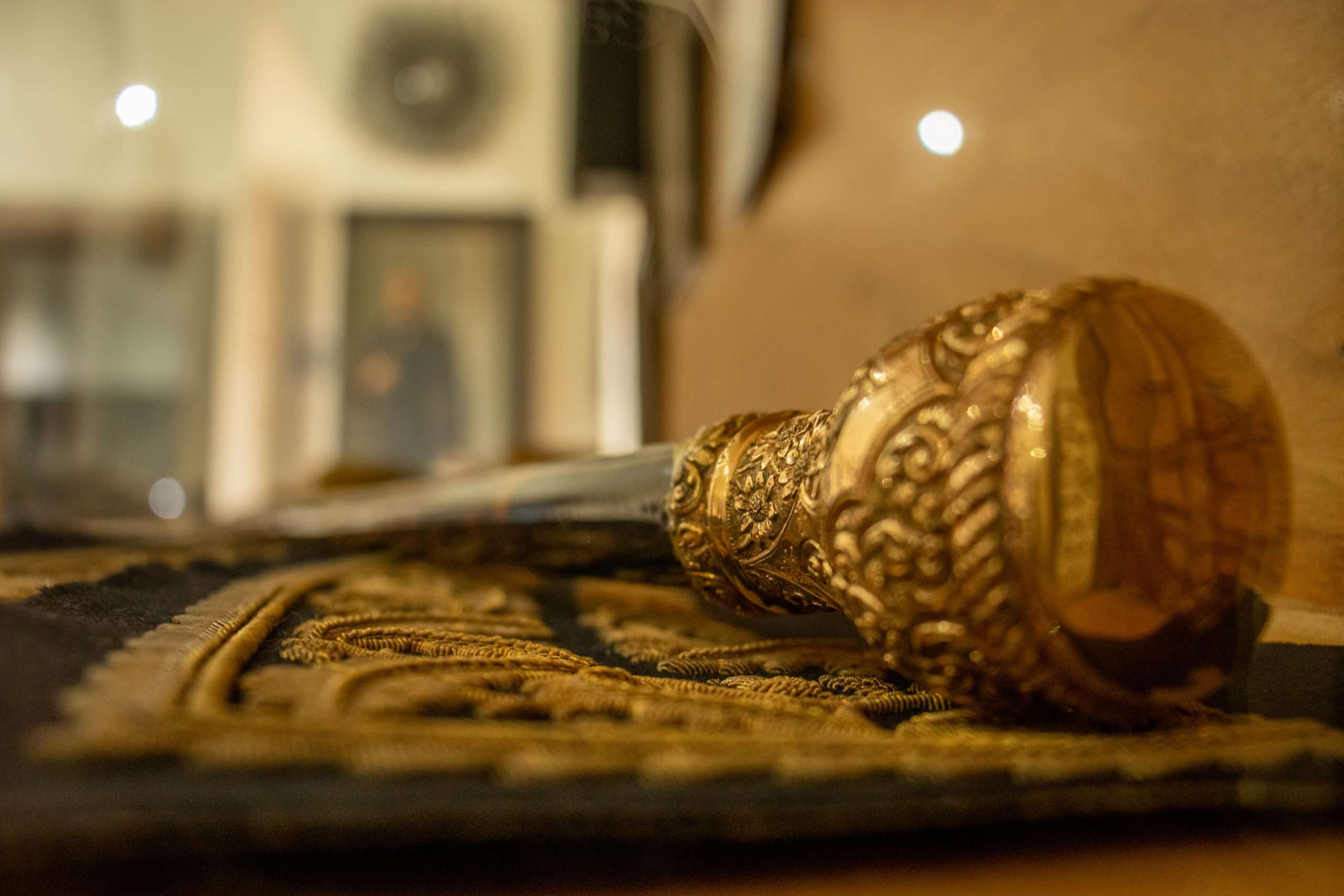
Imagen Sistema Estratégico de Patrimonio Universitario
Since the colonial period, education had been established in the Americas by religious communities, which focused their teaching on Catholic knowledge, the cultivation of the land, and the construction of tools for civilized life; fundamentally, an education in the arts and trades” (2007, p. 12). However, this process had to change because the development of the liberated peoples required foundations of strong thought and strategies that would enable people to strengthen themselves in the legal and political spheres, thus making it possible to consolidate the ideals of the Republic through the establishment of a new institution of higher education. “On October 6, 1827, assets and revenues were assigned to the University of the Third District to begin its academic and administrative activities, and on November 11, 1827, in the former chapel of the Santo Domingo Cloister, now the Founders’ Hall, the official record of its operation was signed,” making it possible to organize its governing structure and appoint distinguished figures to lead it. “Don José Antonio Arroyo and Reverend Doctor Manuel José Mosquera were appointed as Rector and Vice-Rector,” with the purpose of “being responsible for setting the course and directing the destiny of the University, under an educational mission in different fields of knowledge, educating young people as free and capable citizens, upright professionals committed to the construction of the newly independent and sovereign Republic” (2007).
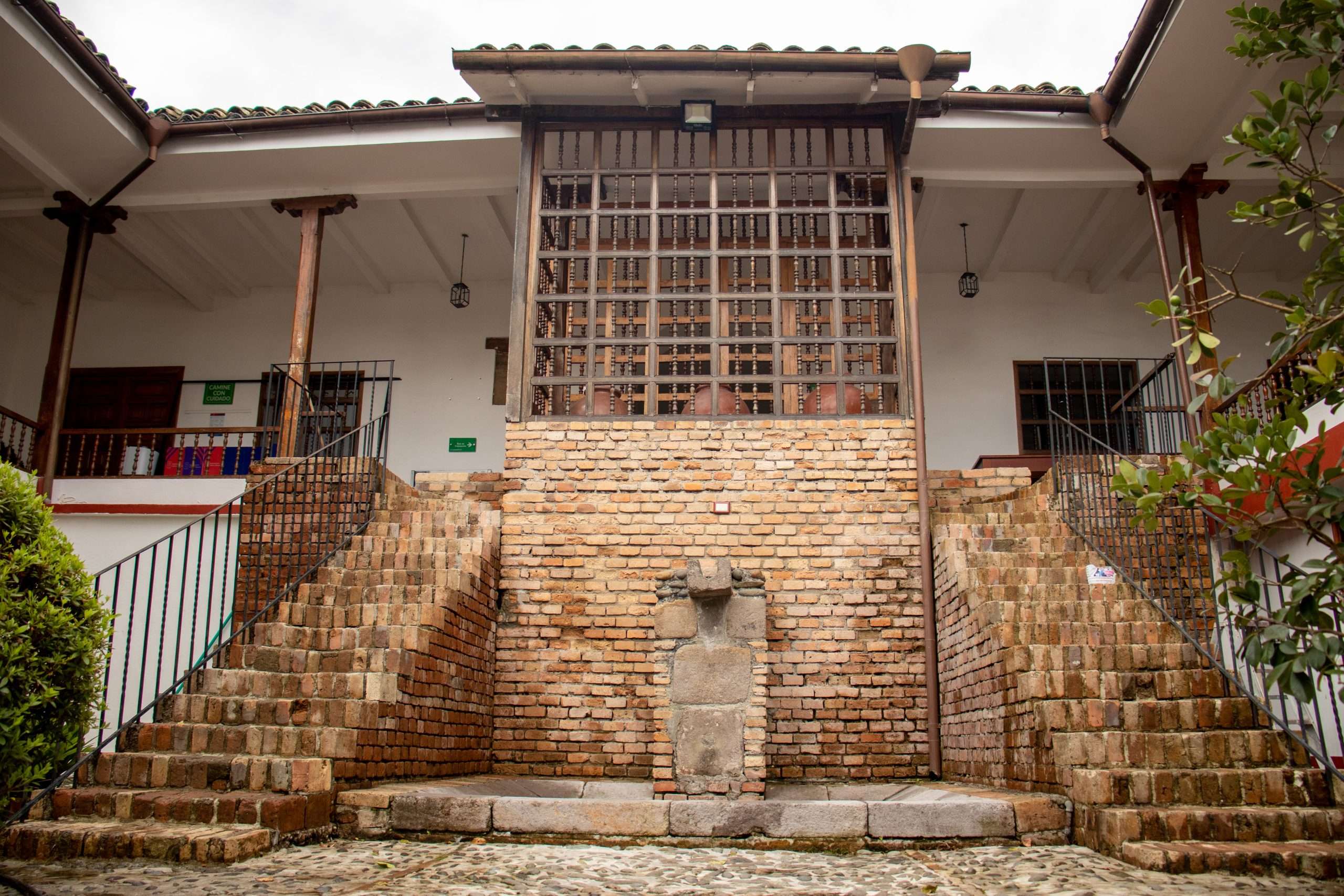
Imagen Casa Mosquera
For this reason, this legacy, condensed in the words inscribed in Latin, “POSTERIS LVMEN MORITVRVS EDAT,” which in Spanish we understand as “EL QUE HA DE MORIR DEJA UNA LUZ PARA LA POSTERIDAD” (“He who is to die leaves a light for posterity”), reflects a lasting, solid legacy dedicated to the formation of thought that continues to this day, educating individuals with quality and human development who are aware of cultural diversity. This is the diversity that, as reflected in the current thinking of its administrators, is described not from an existentialist concept of culture, “but from the existing cultural configurations, those that are made possible or are given through the relationship among individuals, some more hegemonic and others less hegemonic, but all of which are established” (Muñoz, 2013). Thus, it is through diversity that the University came into being, and it is through diversity that it continues to remain one of the most important institutions of higher education in the Nation. For this reason, this document highlights the importance of the cultural heritage of the University of Cauca (tangible and intangible), demonstrating its appropriation, its relationships, its manifestations, and its ways of thinking that contribute to the construction not only of identity, but also of institutional memory.

It is important for the institution to understand the manifestations and relationships involved in the appropriation of heritage, because they reflect the diversity that the University possesses as a source of cultural richness and the legacy it has built throughout its existence, making it possible to integrate these elements into academia, not only as a means of educating in disciplines, but also as a means of fostering new ways of thinking connected to existing cultural configurations and to the human, social, and aesthetic development required by the Post-conflict Republic.

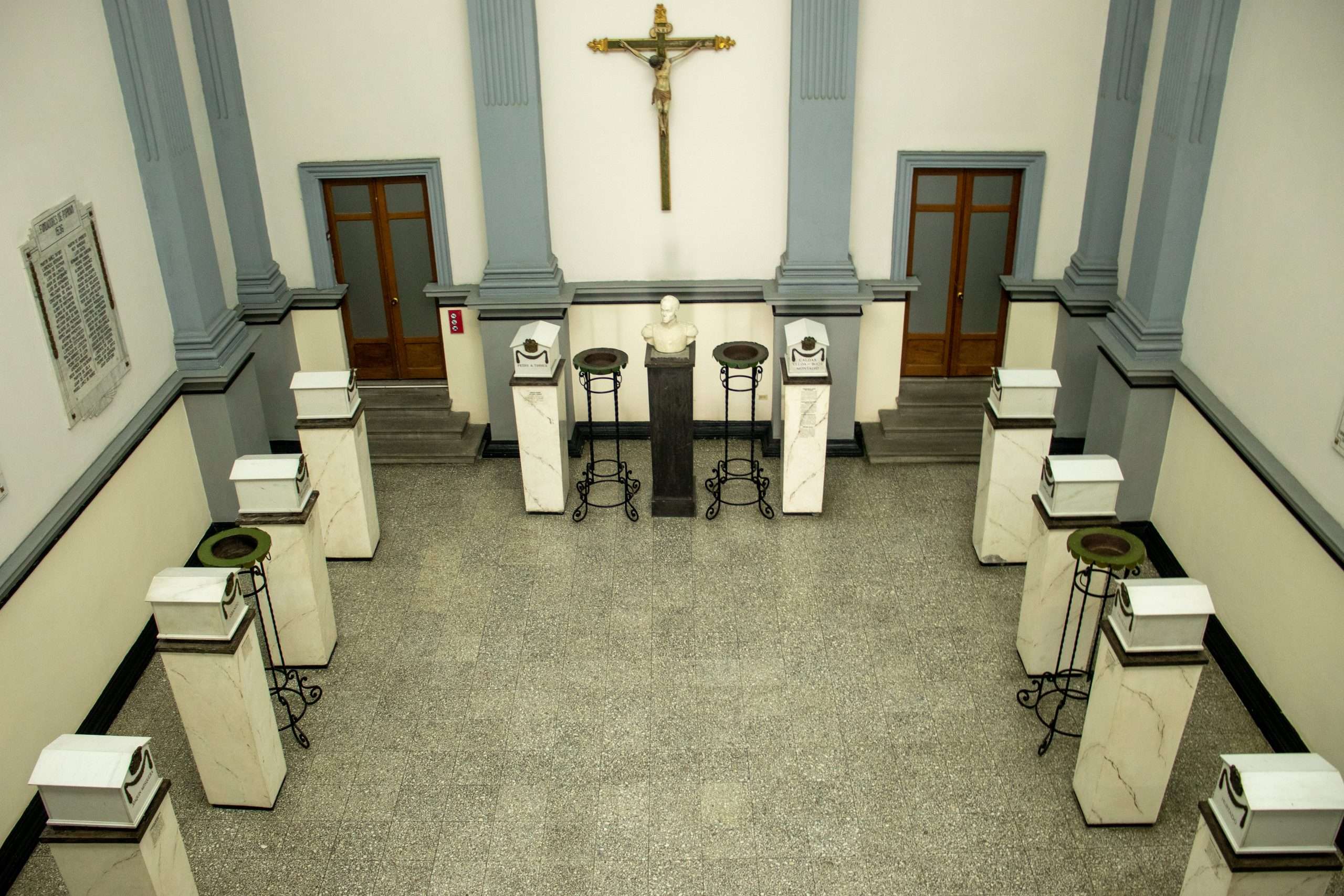
Imagen Panteón de los Próceres

Project objective

Promote, enhance, and make available to the three University sectors the collections housed, preserved, and studied by the museums, as well as all the University’s tangible and intangible cultural heritage, by communicating their information and fostering the appreciation of their values, meanings, and symbolic relationships. In addition, enable the Vice-Rectorate for Culture and Well-being, which is responsible for this heritage, to promote the conditions for its circulation, social engagement, and dissemination through the strategies established to carry out this work.
Imagen líneas de acción del proyecto
Project Lines of Action
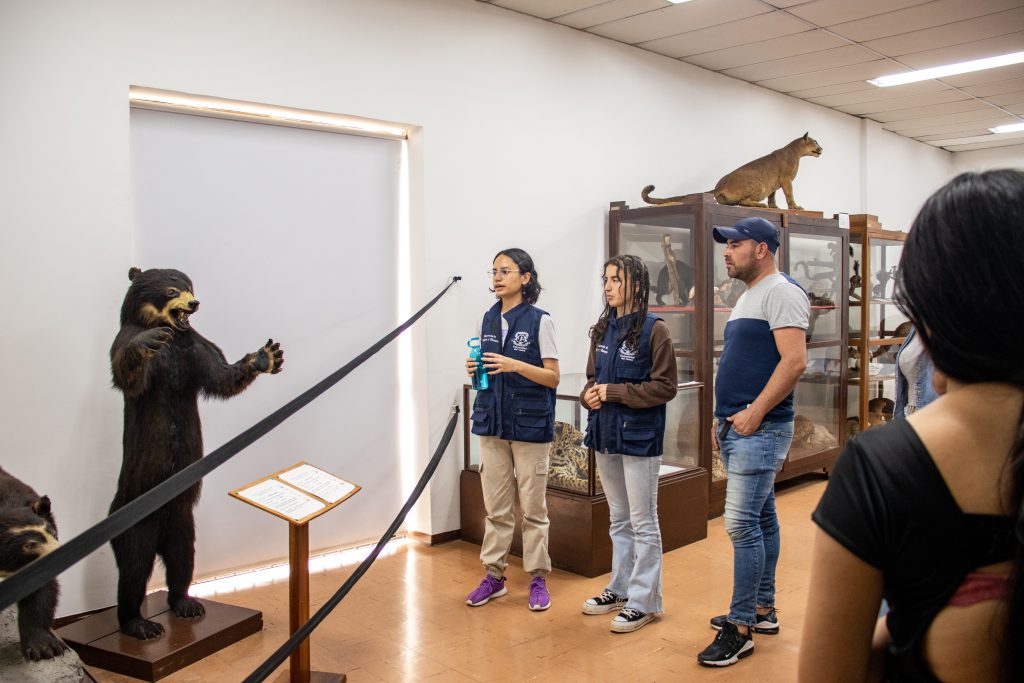
Stimulate the sense of belonging and heritage among the University community through elements that represent us, generating added value and distinguishing us from other universities. These elements of our heritage provide us with the opportunity to learn about the tangible and intangible, cultural and natural heritage that gives us our identity, enables us to experience the present with a meaningful sense of purpose, and allows us to pass on our cultural experience to future generations. To foster this sense of belonging, the following activities will be carried out: Include information about the cultural and tangible heritage of the University in the different activities held during the induction week for new students, in order to introduce them to the Vice-Rectorate for Culture and Well-Being, explain its different divisions, discuss the Heritage Division, and provide information about the museums.
 

Engage faculty members from related academic programs such as Anthropology, Political Science, History, the Bachelor’s Degree in Natural Sciences and Environmental Education, the Bachelor’s Degree in Ethnoeducation, Tourism, Forestry Engineering, Environmental Engineering, Biology, among others, to encourage their students to visit the different museums of the University in exchange for incentives in their courses.Use the different spaces available at the University so that the Vice-Rectorate for Culture and Well-Being can promote the Museum of Natural History, the Mosquera House Museum, and the Pantheon of the Heroes of Independence, as well as their distinctive features, so that the University community becomes aware of the heritage it possesses and how it can be appreciated and utilized. Examples of these spaces include the different conferences organized by the faculties or the business fair organized by the CES Group of the FCCAE, among others.

Develop promotional processes to implement this strategy by proposing the following activities: Living Museum. Given that the University has a radio station and a news channel, live broadcasts can be conducted from the different museums for the University community, showcasing the wide range of activities they offer. It also allows students from the Faculty of Arts to exhibit their work in the museums, attracting the attention of the University community as a whole. Engage students from the Music program to perform small concerts that will provide a musical setting for the University Store located at the Mosquera House Museum, thereby attracting the attention of students, faculty members, and administrative staff who enjoy this type of activity.

Conduct traveling exhibitions across the University’s faculties featuring representative pieces from the museums in order to capture the attention of the University’s different sectors. This initiative will encourage members of the University community to later visit the museums. The importance of traveling exhibition projects lies primarily in the opportunity to extend beyond the physical boundaries of the museum, thereby broadening its reach and making its sphere of action less limited.

Imagen Museo en Vivo

Universidad del Cauca

NIT. 891500319-2

Address: Calle 5 # 4 - 70 | Popayan, Colombia

Telephone: +57 (602) 820 9900

Toll-free: 018000 949020

Requests, Complaints, Claims, Suggestions and Congratulations
Email: ventasreclamos@unicauca.edu.co

Judicial notifications
Email:processes@unicauca.edu.co

Follow us on:

Institution with High Quality Accreditation for 8 years, resolution MEN 6218 of 2019 - Vigilada MinEducación